Whether a Shar Pei on a Renal Diet Loses Weight
It’s a heart-wrenching moment when your beloved Shar Pei receives a diagnosis of kidney issues. Suddenly, your world shifts from carefree walks and playful nudges to scrutinizing ingredient labels and worrying about every gram of food. One of the most common anxieties that comes with a veterinary prescription for a renal diet is the concern about weight loss. You see your sturdy, robust companion, and the idea of them wasting away on a specialized diet is truly terrifying, especially when you’re just trying to do what’s best to extend their precious life. This guide will walk you through what to expect regarding your Shar Pei's weight when they start a renal diet, why those changes happen, and how you can support their health every step of the way.
Understanding Renal Diets and Their Purpose in Shar Pei
When your vet suggests a renal diet for your Shar Pei, it's not a decision made lightly. It’s a crucial intervention designed to slow the progression of kidney disease and improve your dog's quality of life. Understanding why these diets are formulated the way they are can help alleviate some of the initial anxieties you might feel about the changes to your dog's mealtime.
Why a Shar Pei Might Need a Renal Diet
Kidney disease, unfortunately, is a significant concern for many Shar Pei owners. These incredible dogs, while loyal and loving, are prone to certain health conditions, and kidney problems rank high on that list. Often, it begins subtly, with symptoms that might be easy to overlook in the early stages. Perhaps your Shar Pei starts drinking more water than usual, or you notice them needing to go outside more frequently. Sometimes, it's linked to a history of Familial Shar Pei Fever Is Not an Infection or a diagnosis of Amyloidosis Is What Actually Kills a Shar Pei, where abnormal proteins deposit in the kidneys and impair their function.
The kidneys are vital organs responsible for filtering waste products from the blood, regulating blood pressure, and producing hormones. When they start to fail, they can't effectively perform these tasks, leading to a buildup of toxins in the body. A renal diet isn't a cure, but it’s a powerful tool in managing the disease. It helps to reduce the workload on already struggling kidneys, thereby slowing down further damage and minimizing the unpleasant symptoms your dog might experience. It’s all about giving those hardworking kidneys a much-needed break. Why a Shar Pei's Kidneys Need Watching From Two Years Old becomes a stark reality when kidney disease manifests.
The Nutritional Goals of a Kidney-Friendly Diet
Unlike a regular dog food, a renal diet has a very specific nutritional profile, tailored to support failing kidneys. The primary goals are:
- Controlled Protein Levels: This is often the biggest change people notice. Renal diets contain reduced, but still high-quality, protein. This isn't about eliminating protein, which is essential for muscle maintenance and bodily functions, but about ensuring the protein consumed produces less nitrogenous waste products. These waste products are what the kidneys struggle to filter, so less waste means less strain.
- Reduced Phosphorus: Phosphorus is a mineral that healthy kidneys excrete efficiently. In kidney disease, phosphorus levels can build up, leading to serious health issues like bone demineralization and further kidney damage. Renal diets are carefully formulated to have significantly lower phosphorus levels.
- Controlled Sodium Levels: Lower sodium helps manage blood pressure, which is often elevated in dogs with kidney disease, and also helps reduce fluid retention.
- Increased Omega-3 Fatty Acids: These are often added for their anti-inflammatory properties, which can be beneficial for kidney health.
- Added B Vitamins: Dogs with kidney disease can excrete more water-soluble B vitamins, so these diets often supplement them.
- Higher Calorie Density (often): To ensure dogs get enough energy even if they eat less, some renal diets are more calorie-dense.
This delicate balance is why simply feeding less of a regular dog food won't cut it. Your vet will recommend a specific therapeutic diet, and it's vital to stick to it as closely as possible. Think of it as a prescription, not just a suggestion. Whether a Shar Pei With Kidney Failure Can Be Treated largely depends on strict adherence to such dietary and medical protocols.
The Link Between Renal Diets and Weight Management in Shar Pei
So, you've started the renal diet, and now you’re watching your Shar Pei closely. You might start to notice changes in their body condition, and it’s natural to wonder if this is an expected part of the dietary adjustment. The answer is, it can be, but understanding why is key to managing it proactively.
How Protein Restriction Affects Muscle Mass
One of the biggest concerns for owners is muscle loss. While renal diets use controlled protein, not deficient protein, it’s a valid worry. Healthy muscles require a steady supply of amino acids from protein to maintain themselves. If your Shar Pei's kidneys are already compromised, and they are struggling to process even the high-quality protein in their new diet, or if their appetite is suppressed, they might not be getting quite enough to maintain their muscle mass.
Consider a typical Shar Pei. They are a sturdy, well-muscled breed. What an Adult Shar Pei Weighs can vary, but they generally carry a good amount of muscle. Any noticeable loss of that muscle can be distressing. This isn't necessarily a sign the diet is wrong, but it's something to monitor closely with your vet. The goal of a renal diet is to balance the need for adequate protein to prevent muscle wasting with the need to reduce kidney workload. It's a fine line, and individual dogs will respond differently.
If your Shar Pei has significant muscle loss, it might be an indicator that their kidney disease is progressing, or that they’re not consuming enough calories overall. Your vet will look at bloodwork results, specifically parameters like albumin and creatinine, in conjunction with their physical condition to make an assessment. Sometimes, minor adjustments to the diet or medication might be needed.
Caloric Density and Appetite Changes
Renal diets are often formulated to be more calorie-dense to compensate for the fact that dogs with kidney disease often have a reduced appetite. This is a cruel reality of the illness itself – a buildup of toxins can make them feel nauseous and simply not want to eat. You might find your usually food-motivated Shar Pei turning up their nose at mealtime, which is incredibly frustrating.
If your Shar Pei isn't eating enough of their renal diet, even if it's calorie-dense, they will lose weight. This weight loss isn't directly because of the diet's formulation, but rather because of an insufficient caloric intake due to decreased appetite. It’s a common scenario, and one that requires patience and creativity from you, the owner.
Think about it from your dog's perspective. Imagine feeling constantly queasy and then being presented with a new food that might taste different from what they're used to. It's a tough sell. This is where you might explore different brands of prescription renal diets, as palatability can vary greatly. Brands like Purina Pro Plan Veterinary Diets, Royal Canin Veterinary Diet, or Hill's Prescription Diet all offer renal formulas, and sometimes a change in flavor or texture (wet vs. dry) can make all the difference. You can find many options on platforms like Chewy or Amazon.
If your Shar Pei is still refusing to eat, communicate this immediately with your vet. There are medications that can help stimulate appetite or reduce nausea, and these can be invaluable in getting your dog to eat enough to maintain a healthy weight.
Monitoring Weight and Overall Health on a Renal Diet
Keeping a close eye on your Shar Pei’s weight and overall health is paramount once they’re on a renal diet. This isn't a "set it and forget it" situation; it requires ongoing vigilance and regular check-ups with your veterinarian.
Setting Realistic Weight Expectations
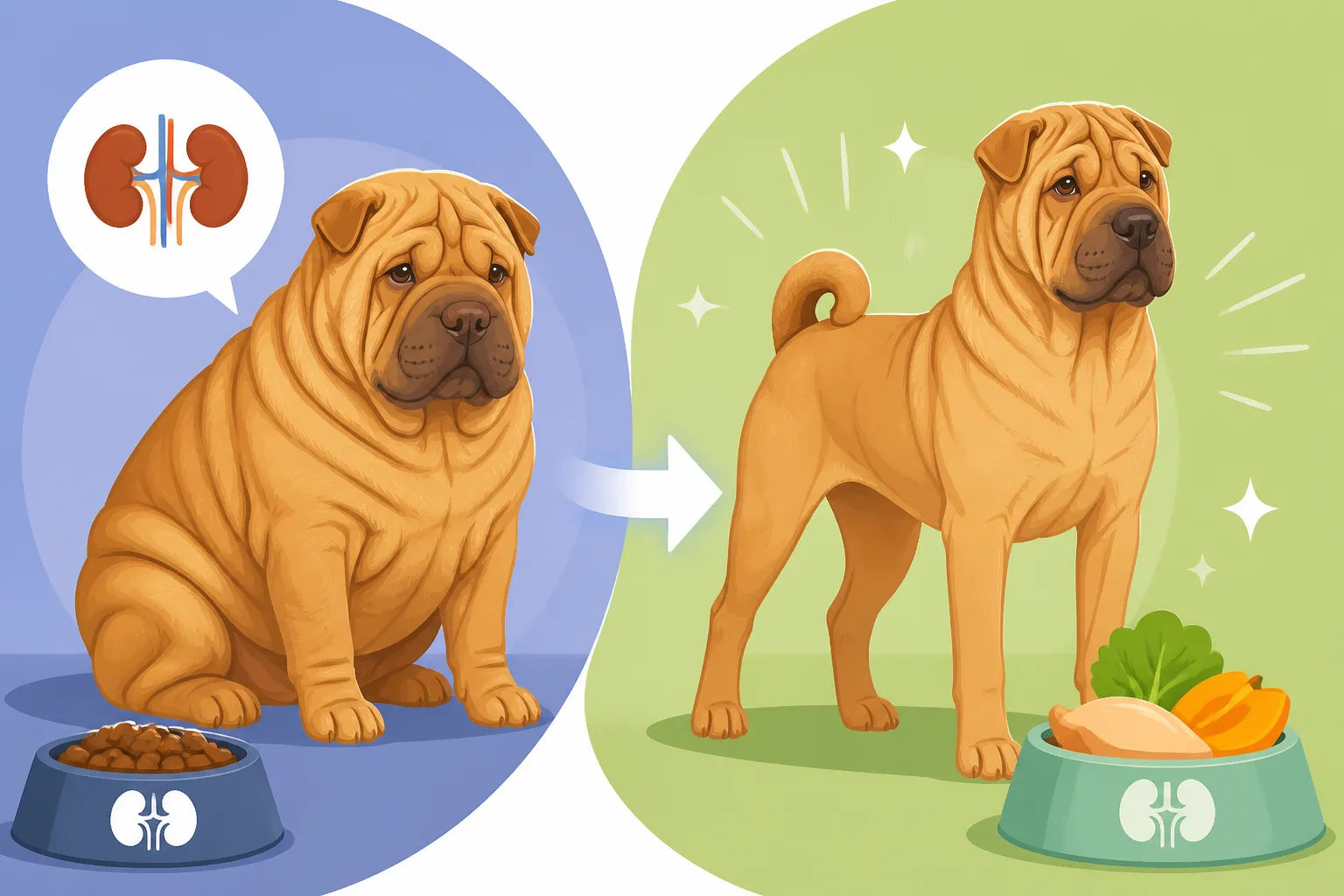
It's natural to want your Shar Pei to maintain their robust, healthy weight, but sometimes, a slight change in body condition can be expected, especially if they were previously a little overweight. Kidney disease often causes a decrease in appetite, and while renal diets are formulated to be palatable and calorie-dense, some weight loss is not uncommon.
The key is to differentiate between healthy weight management and concerning weight loss. A healthy Shar Pei should have a visible waist when viewed from above, and you should be able to feel their ribs easily with gentle pressure, but not see them protruding. If your Shar Pei starts to look too thin, with ribs, hip bones, or spine becoming prominent, that's a red flag. Signs a Shar Pei Is Too Thin are important to recognize quickly.
Your vet will likely want to monitor your Shar Pei's weight regularly. Keep a log at home too! Weighing your dog once a week or every two weeks at the same time of day can give you valuable data to share with your vet. They can help you interpret the numbers and determine if the weight changes are acceptable or if intervention is needed. Remember, the goal isn't just weight, but also body condition – how much muscle they retain. How to Feel a Shar Pei's Ribs Through Its Folds can be tricky with a Shar Pei's unique skin, but it's a crucial skill to learn.
Signs Your Shar Pei is Thriving (or Struggling)
Beyond the scale, there are many other indicators of your Shar Pei’s well-being on a renal diet. You are their best advocate, and your daily observations are incredibly valuable.
Signs of Thriving:
- Good Appetite: They are consistently eating their prescribed diet, perhaps even showing excitement for mealtimes.
- Stable Weight and Muscle Mass: While some initial adjustment might occur, their weight stabilizes, and you don’t notice significant muscle wasting.
- Good Energy Levels: They are still interested in walks, play, and daily activities, appropriate for their age and condition.
- Clear Eyes and Coat: Their eyes are bright, and their coat retains its healthy luster, suggesting good nutrient absorption.
- Reduced Symptoms: You might notice less excessive thirst, fewer urination accidents, or an overall improvement in their general demeanor compared to before the diet change.
- Improved Bloodwork: Your vet will be monitoring blood and urine tests, such as BUN, creatinine, phosphorus, and the What a Urine Protein Test Tells a Shar Pei Owner (UPC ratio). Improvements or stabilization in these numbers are excellent indicators the diet is helping.
Signs of Struggling (and when to call the vet):
- Persistent Appetite Loss: If your Shar Pei consistently refuses to eat or eats only tiny amounts, they aren't getting the nutrition they need.
- Significant or Rapid Weight Loss: Any dramatic drop in weight, especially within a short period, is concerning.
- Increased Lethargy: If they seem much more tired, less interested in moving, or just "off," it could indicate worsening kidney function.
- Vomiting or Diarrhea: These can lead to dehydration and further compromise kidney function.
- Increased Thirst or Urination: A reversal of any improvements, or worsening symptoms, means the diet might not be enough, or the disease is progressing.
- Changes in Coat or Skin: A dull, dry coat or poor skin elasticity can point to dehydration or nutritional deficiencies.
- Oral Issues: Ulcers in the mouth or bad breath can be signs of advanced kidney disease (uremia).
Don't hesitate to reach out to your vet if you observe any of these struggling signs. Early intervention is key. Regular veterinary check-ups are non-negotiable for a Shar Pei on a renal diet. These typically include physical exams, weight checks, and blood and urine tests. Your vet will advise you on How Often a Shar Pei's Kidney Values Should Be Checked, but it’s often more frequent than for a healthy dog, perhaps every few months.
Practical Tips for Feeding a Shar Pei on a Renal Diet
Navigating a new diet for your Shar Pei, especially a therapeutic one, can feel overwhelming. It’s not just about what they eat, but how you get them to eat it, especially if their appetite is fickle.
Making the Transition to a New Diet
Changing a dog’s diet, especially a Shar Pei’s, can be tricky even in the best of times. When you’re dealing with a dog already feeling unwell due to kidney disease, it requires extra care and patience. A sudden switch can cause an upset stomach, which is the last thing you need.
Here’s a general approach:
-
Slow and Steady: Introduce the new renal diet gradually over 7-10 days, mixing increasing amounts of the new food with decreasing amounts of the old.
- Day 1-2: 75% old food, 25% new food
- Day 3-4: 50% old food, 50% new food
- Day 5-6: 25% old food, 75% new food
- Day 7-10: 100% new food
If your Shar Pei has a very sensitive stomach, you might even extend this to two weeks or more.
-
Palatability is King: This is where the real challenge often lies. Your Shar Pei might resist the new food due to its different taste or texture.
- Wet vs. Dry: If you're currently feeding dry kibble, try the wet version of the renal diet, or vice versa. Many dogs prefer wet food, especially if they're feeling nauseous.
- Warm it Up: Gently warming wet food (make sure it’s not hot!) can enhance its aroma and make it more appealing. You can do this by adding a tiny bit of warm water or briefly microwaving it (stir well to avoid hot spots).
- Small, Frequent Meals: Instead of two large meals, offer smaller portions more frequently throughout the day. This can be less intimidating for a dog with a poor appetite. Whether a Shar Pei Should Be Fed Twice a Day might need to change for a dog on a renal diet.
- Hand-Feeding: Sometimes, offering food from your hand can encourage a reluctant eater. It adds a comforting, personal touch.
-
No Free Feeding: While tempting to leave food out all day for a picky eater, it’s often better to offer meals for a set period (e.g., 15-20 minutes) and then remove any uneaten food. This creates a feeding routine and helps you monitor how much they’re actually consuming.
-
Stay Calm and Persistent: It’s frustrating when your dog won't eat, but try not to show your stress. Dogs pick up on our emotions. Be consistent with meal times and offerings, but don't force it aggressively.
Finding Palatable Options and Managing Treats
The good news is that veterinary diet manufacturers understand that sick dogs can be picky eaters. There are usually multiple options within each brand's renal line, offering different flavors (like chicken, beef, or vegetable-based) and textures.
Exploring Different Brands and Types:
- If your Shar Pei absolutely refuses one brand, ask your vet if you can try another. For instance, if Hill's Prescription Diet k/d isn't working, perhaps Royal Canin Veterinary Diet Renal Support or Purina Pro Plan Veterinary Diets NF Kidney Function would be more appealing. You can order these prescription diets from online retailers like Chewy or Amazon, but always with a veterinary authorization.
- Consider a mixed feeding approach: some dry kibble mixed with a little bit of the wet food might be the perfect combination.
Managing Treats:
This is where it gets tricky because most standard dog treats are too high in protein, phosphorus, and sodium for a renal diet.
- Renal-Friendly Treats: Some brands offer specific renal-friendly treats. These are usually low in protein and phosphorus. Ask your vet for recommendations.
- Fresh Vegetables/Fruits (in moderation): Certain fruits and vegetables can be safe and low in phosphorus. Small pieces of apple (no seeds!), green beans, or carrots can sometimes be given. ALWAYS check with your vet first to ensure they are safe and don't interfere with the diet.
- Cooked Starches: Plain, cooked white rice or pasta (without sauce or salt) can sometimes be offered in very small quantities as a treat, as they are low in protein and phosphorus.
- Avoid High-Value, High-Protein Treats: Absolutely no jerky, cheese, peanut butter, or meat scraps from your plate. These can undo all the good work of the renal diet in an instant.
It’s about finding what your specific Shar Pei will eat consistently, without compromising their kidney health. It can be a journey of trial and error, but with your vet’s guidance, you’ll find the right path.
| Feature | Typical Non-Renal Diet | Renal Diet (Therapeutic) | Implications for Shar Pei Health |
|---|---|---|---|
| Protein Level | Moderate to High | Reduced (High Quality) | Less kidney workload, potential for muscle loss if intake is low |
| Phosphorus Level | Moderate | Significantly Reduced | Prevents mineral buildup, protects kidneys and bones |
| Sodium Level | Moderate | Controlled/Reduced | Helps manage blood pressure and fluid retention |
| Omega-3 Fatty Acids | Variable | Often Increased | Anti-inflammatory benefits for kidneys |
| Caloric Density | Standard | Often Higher | Compensates for reduced appetite, supports energy needs |
| Palatability | Generally High | Can be Variable | May require patience and experimentation to find acceptable options |
| Availability | Widely available | Vet prescription required | Available through vet clinics and authorized online retailers (e.g., Ollie) |
Living with a Shar Pei on a renal diet means becoming a dedicated advocate and a keen observer. While weight loss can be a concern, it's often manageable with careful monitoring, communication with your vet, and a little creativity at mealtime. Your efforts in adhering to the diet and managing any secondary issues will make a profound difference in your beloved Shar Pei's comfort and longevity. The Age a Shar Pei Should Start Kidney Monitoring is important, as early detection and intervention, including diet, can improve outcomes dramatically. Whether a Shar Pei With Kidney Failure Can Be Treated depends heavily on how proactive and consistent you are with their care, and nutrition is a huge part of that.
Disclaimer
This article is for general informational purposes only and does not constitute professional advice. Laws, prices and regulations vary by location and change over time. Consult a qualified professional for guidance on your specific situation.