Whether a Shar Pei Pants More Than Other Dogs
One common concern I hear from Shar Pei owners, especially those new to the breed, is a genuine worry about their dog's breathing. It often feels like their beloved companion is panting much more heavily, and more frequently, than other dogs they've owned or observed. This isn't just an illusion; it's a real and valid observation tied deeply to the unique physiology and genetic predispositions of the Shar Pei. This guide will delve into why your Shar Pei might seem to pant more, what physical traits contribute to this, and, crucially, how to tell the difference between normal regulation and a situation that needs your immediate attention.
Understanding the Shar Pei's Unique Physiology and Panting
It’s easy to look at a Shar Pei and just see the magnificent wrinkles and soulful eyes, but beneath that distinctive exterior lies a physiology that makes them particularly susceptible to certain challenges, especially when it comes to temperature regulation. Their unique physical structure, combined with some genetic factors, means they often have to work harder than many other breeds just to stay cool and comfortable. This can manifest as increased panting, even when the weather doesn't feel overtly hot to us.
The Shar Pei's Distinctive Head and Respiratory Challenges
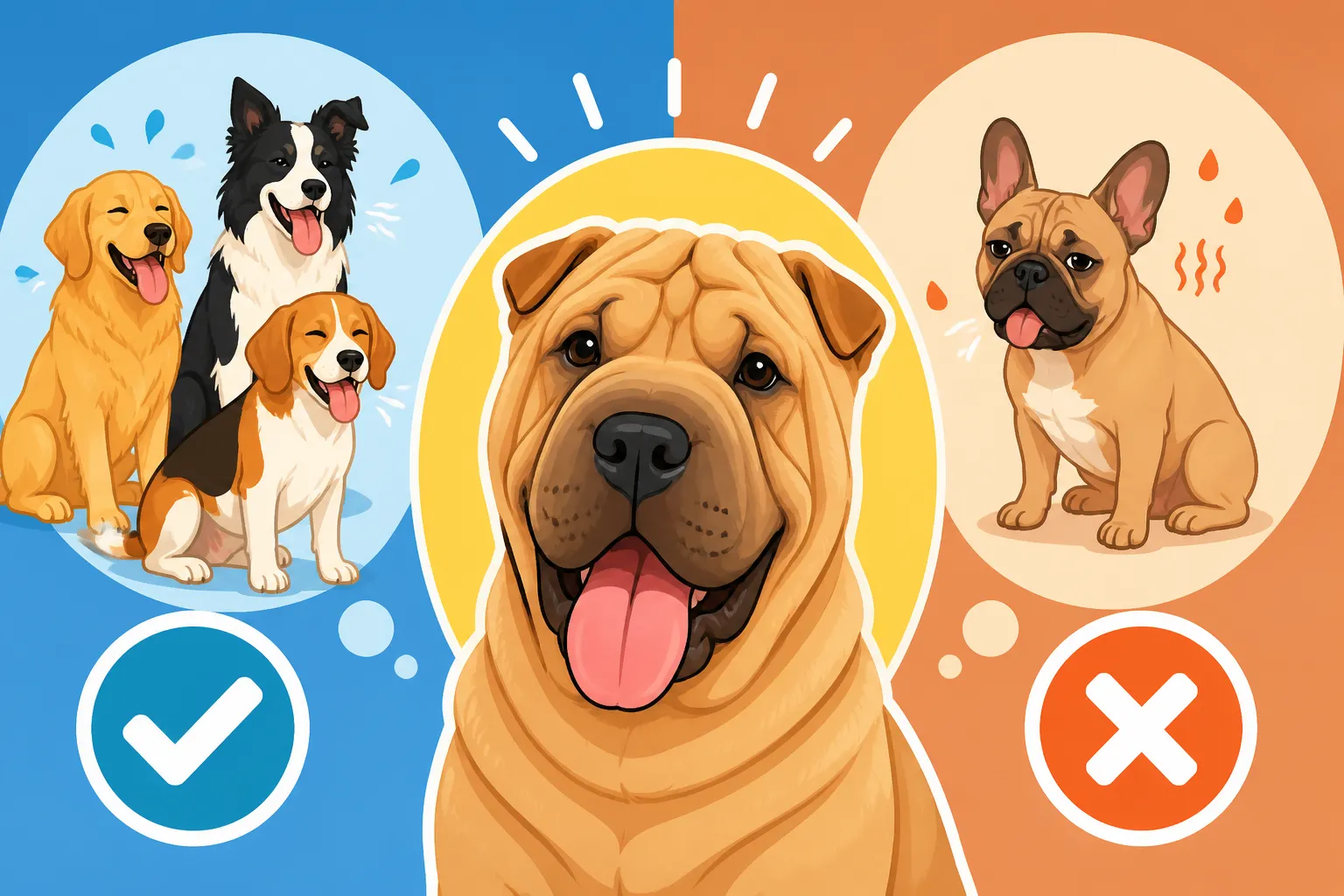
While not classified as a brachycephalic breed in the same way a Bulldog or a Pug is, the Shar Pei's head structure can certainly present some similar respiratory considerations. Many Shar Pei have a relatively short muzzle, combined with a broad, fleshy face and often tight lips. This structure can, to varying degrees, restrict airflow, making it less efficient for them to cool themselves through panting. Think of it like trying to breathe through a slightly pinched straw; it requires more effort. The soft tissues in their throat and around their airway can also be thicker, further complicating the process.
When a dog pants, they’re essentially evaporating moisture from their tongue and the mucous membranes in their mouth and respiratory tract, which helps to dissipate heat from their body. If their airway is even slightly compromised, they need to pant more rapidly or forcefully to achieve the same cooling effect as a dog with a longer, clearer muzzle. This is why you might notice your Shar Pei seemingly struggling more than, say, a Labrador on a warm day, or even after a short burst of play. It’s not necessarily that they’re hotter initially, but that their cooling system is less efficient by design.
How Skin and Coat Influence Body Temperature
The Shar Pei’s hallmark feature, those incredible wrinkles, also plays a significant role in their body temperature regulation. That dense, loose skin, especially prevalent in "meat mouth" varieties, can trap heat close to the body. Imagine wearing a heavy, thick blanket even on a mild day; it's going to make you warmer than someone in light clothing. While visually appealing, these folds can become heat sinks.
Then there's the coat. Whether your Shar Pei has the shorter, rough "horse coat" or the slightly longer, softer "brush coat," both are relatively dense. A horse coat, while short, can be quite stiff and thick, providing insulation that retains heat. The brush coat offers a bit more length but is still a compact, single coat that isn't designed for extreme heat dissipation. Unlike breeds with double coats that "blow" their undercoat in warmer weather, a Shar Pei's coat doesn't offer the same kind of adaptive thermal regulation. This means their body has fewer natural ways to let heat escape, pushing the burden onto their panting mechanism even more. Horse Coat or Brush Coat Changes How You Care for a Shar Pei details some of these differences.
When Health Conditions Add to the Panting Puzzle
Beyond their physical structure, certain health conditions common to the Shar Pei breed can also increase their propensity to pant or make panting more dangerous. The most well-known is Familial Shar Pei Fever (FSF). During an FSF episode, a Shar Pei experiences a sudden fever, and one of the clearest signs of this is often intense, rapid panting, accompanied by lethargy, pain, and sometimes swelling in the hocks. One Mutation Gave the Shar Pei Its Wrinkles and Its Fever explains the genetic link to this condition. When a dog has a fever, their body temperature is elevated internally, requiring an accelerated cooling effort. If your Shar Pei is prone to these fevers, you'll certainly observe more intense panting during these times.
Other less obvious conditions can also contribute. Heart conditions, respiratory issues unrelated to their muzzle shape (like allergies causing inflammation), or even pain from arthritis can cause a dog to pant more. It's their body's way of signaling discomfort or trying to compensate for an underlying issue. This is why it’s so crucial to pay attention to when and how your Shar Pei is panting, not just that they are. If panting seems excessive or unusual for the circumstances, it's always worth considering if an underlying health issue is at play.
Shar Pei and Heat: Why They Struggle More Than Many Breeds
It's not an exaggeration to say that heat management is a full-time job for a Shar Pei owner. Their unique physical characteristics, from their deep wrinkles to their compact muzzle, conspire to make them inherently less efficient at cooling themselves down compared to other breeds. This means what feels like a perfectly comfortable warm day to you might be genuinely challenging for your Shar Pei. Ignoring this fundamental truth can quickly lead to serious health complications, making proactive heat management absolutely essential for their well-being.
Recognizing the Signs of Overheating and Heatstroke
Because Shar Pei are so susceptible to overheating, knowing the signs of trouble is paramount. Normal panting is usually rhythmic, consistent, and calms down once the dog rests or moves to a cooler spot. However, when a Shar Pei starts to overheat, the panting becomes more intense, ragged, or desperate. You might hear loud, raspy breaths, or even a choking sound. Their tongue might appear darker red or even purple, and their gums could be bright red.
Beyond the panting itself, other symptoms of overheating can include:
- Excessive drooling: Saliva dripping profusely, often thick and stringy.
- Wobbly legs or uncoordinated movement: They might stumble or struggle to stand.
- Lethargy or collapse: They might suddenly lie down and refuse to move, or become unresponsive.
- Vomiting or diarrhea: These can be severe signs of heatstroke.
- Glassy eyes: Their eyes might look distant or unfocused.
If you observe any of these signs, especially in combination, it's an emergency. Heatstroke is a life-threatening condition for a Shar Pei, and time is of the essence. Getting them to a cooler environment and applying cooling measures, while contacting your vet immediately, is critical. How Easily a Shar Pei Overheats elaborates on the risks.
Adapting Exercise and Activity Levels for Your Shar Pei
Given their heat sensitivity, you simply can't exercise a Shar Pei the way you might a Border Collie or even a Beagle. Their tolerance for strenuous activity, especially in warm weather, is significantly lower. Forget long runs or midday park visits when the sun is high. Instead, think strategic. Early mornings and late evenings are often the only safe times for walks during warmer months. Even then, keep an eye on the humidity, as high humidity makes it much harder for dogs to cool down through evaporation.
Short, gentle walks are usually sufficient. A twenty to thirty-minute stroll in cooler temperatures might be perfect, but on a warm day, even ten minutes might be too much. Watch your dog for any signs of heavy panting or lagging behind. If they start to pant heavily after just a few minutes, it’s a clear signal to turn back. Carrying a portable water bowl and fresh water is non-negotiable for any outing, even short ones. Think about the surfaces you walk on too; asphalt and concrete can get incredibly hot, burning their paw pads and radiating heat back up to their bodies. Grass and shaded paths are always preferable. Whether a Shar Pei Should Be Walked Only at Dawn in Summer offers more specific advice on walk times.
Everyday Management to Keep Your Shar Pei Comfortable
Living with a Shar Pei means you become an expert in temperature control. It's not just about crisis management; it's about embedding cooling strategies into your daily routine. This breed thrives when their environment is carefully managed, and it can significantly reduce their overall panting, making for a happier, healthier companion. You’ll find that a consistent, proactive approach to keeping them cool pays dividends in preventing potential emergencies and ensuring they can enjoy their lives to the fullest. Heat Management Is Daily Work With a Shar Pei isn't just a suggestion, it's a foundational truth for Shar Pei ownership.
Creating a Cool Environment at Home
Your Shar Pei's home environment is their sanctuary, and it needs to be a cool one. For many Shar Pei owners, air conditioning isn't a luxury; it's a necessity, especially during warmer months. Even on days that feel mild to you, a Shar Pei can quickly become uncomfortably warm indoors. If air conditioning isn't an option, consider strategic use of fans, ensuring good air circulation throughout the house. Keep blinds and curtains closed during the hottest parts of the day to block out direct sunlight, which can quickly turn a room into an oven.
Many owners find cooling mats or elevated beds with mesh surfaces to be incredibly helpful. Cooling mats, often filled with a gel that activates with pressure, provide a direct cool spot for your dog to lie on. Raised beds allow air to circulate underneath, preventing heat from building up. You can find a wide variety of these products on platforms like Amazon or Chewy. Some owners even use damp towels (never frozen, as this can cause too rapid a temperature change) for their dog to lie on, particularly after a short walk or during a warm afternoon. Providing access to cool, ceramic tile floors is also a favorite for many Shar Pei looking to chill out.
Hydration and Dietary Considerations
Staying hydrated is absolutely critical for a Shar Pei, helping their body regulate temperature and supporting overall health. Always ensure your Shar Pei has access to fresh, cool water. Consider having multiple water bowls around the house, and if you're out, always carry water with you. Some dogs are enticed by water fountains, which keep the water circulating and fresh. Adding a few ice cubes to their water bowl on a warm day can also make it more appealing and help them cool down from the inside out.
While diet isn't a direct cooling mechanism, what and how they eat can subtly impact their comfort. Heavy meals can generate metabolic heat, so feeding smaller, more frequent meals might be beneficial in hot weather. Some owners opt for foods with higher moisture content, like wet food or fresh food options (brands like Ollie offer these), to contribute to their overall hydration. However, any dietary changes should always be discussed with your vet, especially if your Shar Pei has other health considerations. Avoiding exercise immediately after a meal can also prevent discomfort and reduce the risk of bloat.
When to Worry: Differentiating Normal Panting from a Problem
It’s completely normal for dogs to pant, especially after exercise, excitement, or when they’re a bit warm. Panting is their primary way of regulating body temperature. But with a Shar Pei, given their unique build and health predispositions, this line between normal and concerning can be much finer. Learning to observe and interpret your dog's panting patterns is one of the most important skills you'll develop as a Shar Pei owner.
Signs That Your Shar Pei's Panting Needs a Vet Visit
While some panting is normal, you need to be vigilant for signs that indicate something more serious. The following table offers a quick guide to help you differentiate:
| Characteristic | Normal Panting (Relaxed) | Concerning Panting (Potential Problem) |
|---|---|---|
| Pace and Depth | Regular, moderate, rhythmic. | Rapid, shallow, labored, or unusually deep breaths. |
| Sound | Quiet, soft, barely noticeable breathing. | Loud, raspy, noisy, snorting, whistling, or distressed sounds. |
| Tongue Color | Pink, healthy color. | Dark red, purple, or bluish tinge. |
| Gum Color | Pink and moist. | Bright red, pale, dry, or sticky. |
| Saliva/Drooling | Minimal or normal. | Excessive, thick, ropey drooling. |
| Body Language | Relaxed, alert, moves freely, eventually settles. | Restless, anxious, struggling to get comfortable, lethargic, wobbly, collapses. |
| Context | After exercise, mild warmth, excitement. | Minimal activity, cool environment, unexplained, or during FSF episode. |
| Accompanying Signs | None. | Vomiting, diarrhea, disorientation, swelling (e.g., hocks, muzzle), fever. |
If you notice your Shar Pei exhibiting signs in the "Concerning Panting" column, especially if it's sudden, severe, or combined with other symptoms like a high temperature, difficulty moving, or confusion, it's time to call your veterinarian immediately. Do not wait to see if it improves, as conditions like heatstroke or a severe FSF episode can rapidly become life-threatening. Even if you suspect a fever but aren't sure, What Temperature a Shar Pei Reaches can give you an idea of what to expect, and Whether a Shar Pei's Fever Needs a Vet Every Time offers guidance on when to intervene. Early intervention can make a huge difference in the outcome.
The Importance of Proactive Care and Monitoring
The key to managing a Shar Pei's unique respiratory and heat sensitivity lies in being proactive rather than reactive. This means anticipating warmer weather and adjusting routines accordingly. Knowing your dog's normal behaviors and body language is your best tool. Keep a close eye on weather forecasts, and always prioritize your dog's comfort over strict adherence to a walk schedule. On particularly hot days, indoor mental enrichment might replace a physical walk entirely.
Regular veterinary check-ups are also crucial. Discuss your Shar Pei's panting and heat tolerance with your vet. They can listen to their heart and lungs, check for any underlying conditions, and offer tailored advice. If your dog is prone to FSF, your vet might discuss medications like colchicine, which can help manage the long-term effects, though it doesn't always prevent the fever episodes themselves. Understanding The Age a Shar Pei's First Fever Usually Comes can also help you be prepared. A Shar Pei is a truly special breed, and with careful, informed care, you can help them live a comfortable and happy life, minimizing the risks associated with their unique physiology.
Disclaimer
This article is for general informational purposes only and does not constitute professional advice. Laws, prices and regulations vary by location and change over time. Consult a qualified professional for guidance on your specific situation.