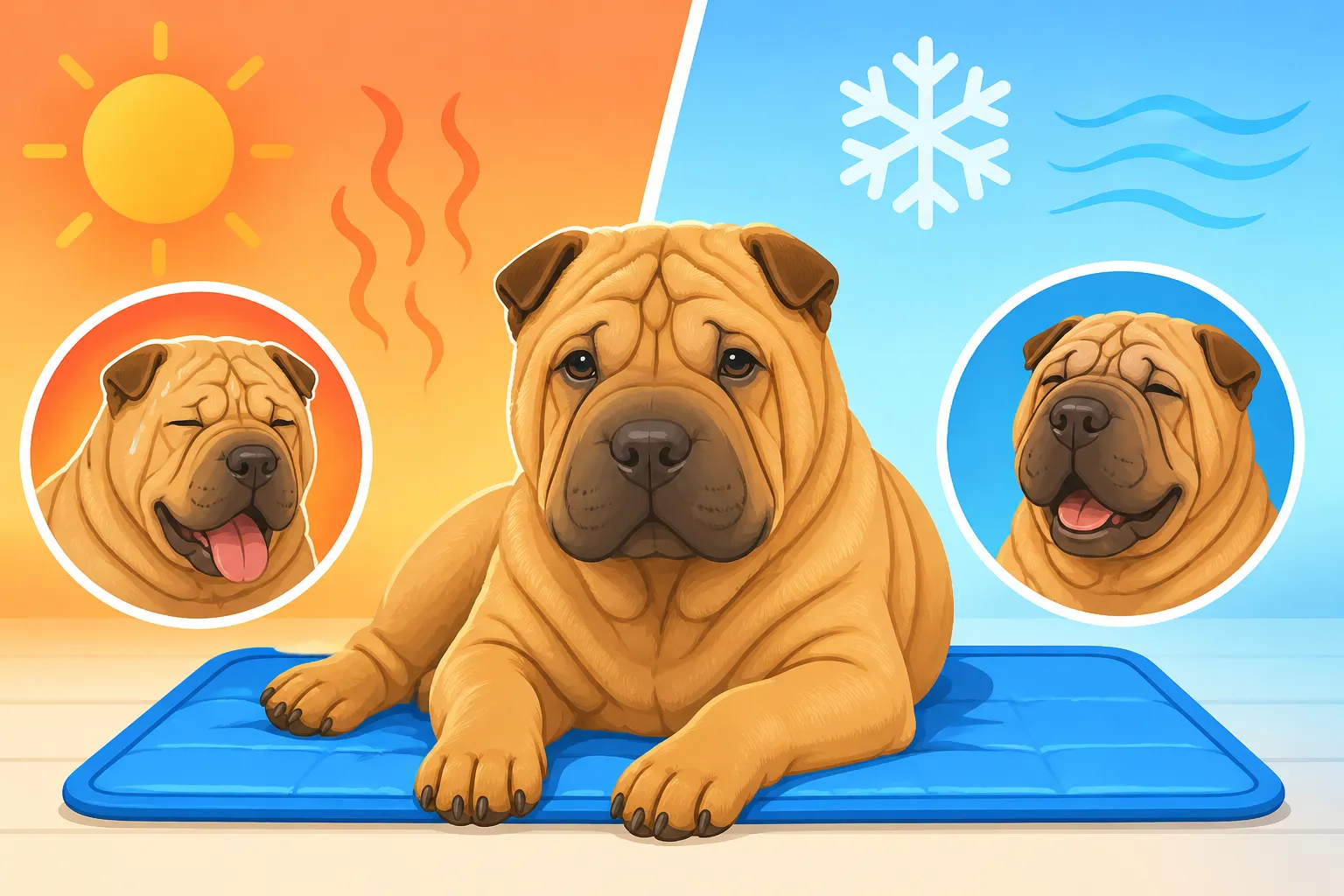
Whether a Cooling Mat Helps a Shar Pei
It's a hot, muggy day, and you're watching your beloved Shar Pei panting, maybe even seeking out the coolest tile in the house, looking utterly miserable. As a Shar Pei owner, you know their unique charm comes with some very specific care needs, and keeping them cool in the heat is often top of that list. The frustration is real when you feel like you've tried everything, and your wrinkly friend is still struggling. This comprehensive guide is here to dive deep into whether a cooling mat can genuinely make a difference for your Shar Pei, exploring how these mats work, their different types, and how to best integrate them into your dog's daily comfort strategy to give them some much-needed relief.
Why Shar Pei Struggle with Heat So Much
Let's be honest, our wrinkly companions weren't exactly built for scorching summers. Their unique physiology, which gives them their distinctive look, also makes them particularly susceptible to overheating. It’s not just about them being a little uncomfortable; it can quickly become a serious health risk. Understanding why they struggle helps us appreciate the importance of effective cooling solutions.
Their Unique Physical Characteristics
The Shar Pei's most defining feature, those wonderful wrinkles, are unfortunately a major factor in their heat intolerance. Imagine trying to cool down with a heavy blanket draped over you, especially one that traps air and moisture against your skin. That's essentially what their dense folds do. These wrinkles, while endearing, can prevent proper air circulation around their body, making it hard for heat to dissipate naturally.
Beyond the wrinkles, many Shar Pei also have a relatively thick coat. Even the "horse coat" variety, which feels shorter and coarser, can still be quite dense and insulating, especially compared to breeds with single, fine coats. This thick layering acts like an extra thermal barrier, holding body heat in rather than allowing it to escape into the cooler air. They're often compared to other brachycephalic (short-nosed) breeds in their struggle, though their muzzles aren't as dramatically shortened as, say, a Bulldog. Still, any compromise in their ability to pant efficiently, which is how dogs regulate their temperature, will exacerbate the problem. It all adds up to a dog that just can't shed heat as easily as many other breeds. How Easily a Shar Pei Overheats is a deep dive into these exact challenges, showing just how much their breed characteristics contribute to this struggle.
The Risk of Overheating and Heatstroke
For a Shar Pei, struggling with heat isn't just about being a little warm; it's a genuine health hazard that can escalate rapidly. Overheating, if left unchecked, can quickly progress to heatstroke, a life-threatening condition. Dogs don't sweat efficiently through their skin like humans do; their primary cooling mechanism is panting. When the ambient temperature is too high, or they exert themselves in the heat, panting alone might not be enough to cool their core body temperature.
The dangers of heatstroke are severe and can include damage to internal organs like the kidneys, liver, and brain. In extreme cases, it can lead to collapse, seizures, and even death. Symptoms to watch for are excessive panting, drooling, lethargy, weakness, dark red gums, vomiting, diarrhea, and a staggering gait. If you see these signs, it's an emergency, and immediate veterinary attention is crucial. Knowing What Temperature Is Too Hot for a Shar Pei can help you set boundaries and prevent these dangerous situations before they even start. Preventing heatstroke is always easier and safer than trying to treat it once it's set in, making proactive cooling measures absolutely essential for our Shar Pei.
How Cooling Mats Work and Their Different Types
So, you know your Shar Pei needs help staying cool. Cooling mats sound promising, but what are they, and how do they actually work? It's not magic, but rather a clever application of physics designed to draw heat away from your dog's body. However, not all cooling mats are created equal, and understanding the differences can help you choose the best fit for your unique wrinkly friend.
Gel-Activated vs. Water-Filled vs. Elevated Beds
When you start looking at cooling mats, you'll generally encounter three main types, each with its own mechanism for providing a cooler surface.
Gel-activated cooling mats are often the most popular and easiest to use. These mats contain a non-toxic gel that, when pressure is applied (like when your Shar Pei lies down on it), absorbs and dissipates body heat. The beauty of these mats is that they don't require refrigeration, electricity, or water. They simply "recharge" themselves after a period of non-use as the gel cools back down to ambient temperature. You can find a wide variety of these mats on platforms like Amazon or Chewy, making them quite accessible. For a Shar Pei, these are fantastic for creating a consistent cool spot in a crate, under a desk, or in a specific corner of a room. However, a spirited Shar Pei might try to chew at it, and a puncture can render the gel mat useless.
Water-filled cooling mats are another option. These mats typically have a fill port where you add water, often with a little air space left for cushioning. The water acts as a thermal mass, absorbing heat from your dog's body. You can often chill the water slightly or even add some ice to the mat for extra cooling power, but this requires more active management. The downside is that they can be heavy once filled, and there's always the risk of leaks if the mat is punctured or not sealed properly. For a Shar Pei who might be a bit of a digger or chewer, this could be a wetter mess than you'd prefer!
Finally, while not strictly a "mat," elevated dog beds deserve a mention in the cooling conversation. These beds typically consist of a sturdy frame with a mesh fabric suspended above the floor. They don't actively cool, but they allow air to circulate all around your dog, including underneath them. This is incredibly effective at preventing heat buildup, especially on warm floors or indoors where airflow might be limited. They don't offer the same immediate "cold" sensation as a gel or water mat, but they provide excellent passive cooling. Brands like K&H Pet Products offer various elevated beds, and you can certainly find many options available through retailers like Amazon. For a Shar Pei that might be prone to chewing, an elevated bed with a durable, tear-resistant mesh might be a more robust choice. You might even find some creative cooling gear, including elevated beds, when you check out What a Shar Pei's Cooling Gear Costs and consider how they fit into your overall budget.
Factors to Consider When Choosing
Choosing the right cooling mat for your Shar Pei isn't just about picking the first one you see. There are several practical factors that can make or break its effectiveness and longevity in your home. Taking these into account can save you money and ensure your dog actually uses and benefits from it.
First and foremost is durability. Shar Pei are strong dogs, and many have a tendency to test the limits of their belongings with their teeth. A cooling mat made of flimsy material won't last long against those powerful jaws or even enthusiastic digging with their nails. Look for mats with reinforced edges and puncture-resistant materials, especially if your Shar Pei is a known chewer. It's an investment, and you want it to last!
Next, consider size and comfort. The mat needs to be large enough for your Shar Pei to comfortably stretch out on. A mat that's too small will only cool a portion of their body, limiting its overall effectiveness. Also, think about the texture. Some dogs might be particular about how a surface feels. Most cooling mats are relatively firm, but some have a softer top layer. You want something your Shar Pei will actually want to lie on.
Ease of cleaning is another huge factor, especially with a Shar Pei. Their wonderful wrinkles can sometimes trap dirt, moisture, or even food debris, which can then be transferred to the mat. You'll want a mat that can be easily wiped down or hosed off. Gel mats are generally easy to clean with a damp cloth, while water mats might require draining and thorough drying to prevent mold or mildew if stored for extended periods. This is particularly important for hygiene and to prevent skin irritations, which Shar Pei are already prone to.
Finally, always think about safety. Ensure that any gel or liquid used in the mat is non-toxic. Accidents happen, and if your dog manages to puncture and ingest some of the contents, you want peace of mind that it won't cause serious harm. Also, check for any small parts or sharp edges that could pose a choking hazard or cause injury. While a cooling mat is designed for comfort, it should never introduce new risks into your home.
The Practicality and Benefits of Cooling Mats for Shar Pei
So, you’ve picked out a cooling mat. Now, how does it fit into the daily life of your heat-sensitive Shar Pei? Cooling mats aren't just a trendy gadget; they offer tangible benefits when used correctly and as part of a broader heat management plan. They can truly be a game-changer for your dog's comfort during warmer months.
Immediate Relief and Comfort
One of the most obvious and appreciated benefits of a cooling mat is the immediate relief it offers. Imagine coming in from a warm day and having a cool spot to lie down. That's precisely what it does for your Shar Pei. The moment they step or lie onto the mat, the conductive material begins to draw heat away from their body, providing a quick drop in surface temperature that feels wonderfully refreshing. This direct contact cooling helps to lower their core body temperature, alleviating that oppressive feeling of being too hot.
Creating a dedicated "cool spot" indoors is crucial, and a cooling mat does this perfectly. It gives your Shar Pei a specific, accessible place to retreat to when they start feeling overheated, whether that's after a short, necessary bathroom break outside, a bout of zoomies, or just during the hottest part of the afternoon. Even if you have air conditioning, having a localized cooler spot can provide extra comfort, especially for dogs who tend to run warmer. Think of it as their personal air-conditioned zone, ready whenever they need it. This can be particularly useful after even short, necessary outdoor excursions, allowing them to quickly recover. For more tips on keeping them comfortable, explore How to Cool a Shar Pei Down, which offers a range of practical methods.
Integrating Mats into a Broader Heat Management Strategy
While cooling mats are fantastic, it's vital to remember they are just one tool in your Shar Pei's heat management arsenal. They aren't a standalone solution for extreme heat or for preventing heatstroke if other precautions aren't taken. For instance, you should never rely solely on a cooling mat to keep your Shar Pei safe if they're left in a hot car or an unventilated room, even for a short time.
The most effective approach is to combine the cooling mat with other sensible heat management strategies. This includes ensuring constant access to fresh, cool water, keeping them indoors during the hottest parts of the day, and making sure your home is adequately air-conditioned or well-ventilated. Many Shar Pei owners find that Whether a Shar Pei Needs Air Conditioning is not a question but a necessity in warmer climates. When it comes to exercise, timing is everything; Whether a Shar Pei Should Be Walked Only at Dawn in Summer or late in the evening is usually the safest bet. You might even consider other cooling aids like frozen treats, wading pools, or cooling vests for outdoor activities. Platforms like Chewy and Amazon offer a plethora of additional cooling gear that can complement your mat. Think of the cooling mat as a key player on your team, working alongside other strategies to keep your Shar Pei safe and comfortable, rather than trying to win the game all by itself.
Potential Downsides or Limitations
As wonderful as cooling mats can be, it's only fair to acknowledge that they aren't without their potential downsides or limitations, especially when dealing with a unique breed like the Shar Pei. Being realistic about these can help manage expectations and prevent disappointment.
One of the biggest concerns for many Shar Pei owners is the chewing hazard. Some dogs, especially younger or more destructive ones, might see a cooling mat as a giant chew toy. If your Shar Pei manages to puncture a gel or water-filled mat, it can create a mess, and potentially expose them to the internal contents. While most are non-toxic, ingestion is never ideal. This is where investing in a truly durable mat, or opting for an elevated mesh bed instead, becomes crucial. You know your dog's chewing habits best, so factor that into your decision.
Another limitation is that some dogs simply dislike the texture or feel of cooling mats. They might prefer a soft bed or the carpet and refuse to lie on the cooler surface. This can be frustrating, especially after you've invested in a mat, but every dog has their preferences. Sometimes, placing a thin, breathable blanket over the mat can make it more inviting without fully negating the cooling effect.
Finally, cooling mats have a limited cooling capacity, particularly gel-filled ones. They work by absorbing heat, and eventually, if the ambient temperature is very high and the mat is constantly in use, it will warm up and become less effective until it has time to "recharge." They are excellent for providing relief, but they are not a substitute for proper climate control in your home or for immediate veterinary intervention if your Shar Pei is showing signs of severe heatstroke. Always prioritize getting to a vet if you suspect your dog is in danger.
Real-World Experiences and Tips from Shar Pei Owners
Okay, you've learned about the science and the types of mats. Now, let's get down to how this plays out in real life with our sometimes stubborn, always endearing Shar Pei. Getting a Shar Pei to adopt a new item, especially one with a unique feel like a cooling mat, often requires a bit of strategy and patience.
Training Your Shar Pei to Use a Cooling Mat
So you've bought this fancy cooling mat, placed it lovingly in your home, and your Shar Pei is sniffing it suspiciously or, worse, completely ignoring it. Sound familiar? You're not alone! Shar Pei can be particular, and a new object with an unusual texture might take some getting used to. The key here is positive reinforcement and making it the most appealing spot in the house.
Start by simply placing the mat in a high-traffic area where your Shar Pei already likes to rest, but where it's also relatively cool. Don't force them onto it. Instead, scatter a few high-value treats on the mat. When they approach and take the treats, praise them gently. Repeat this several times a day. You can also play gentle games of "find it" with treats on the mat, encouraging them to step onto it. Many Shar Pei are quite food-motivated, so this can be a powerful tool.
Once they're comfortable stepping on it, try tossing a favorite toy or a chew bone onto the mat. If they lie down to enjoy their treat or toy, jackpot! Lavish them with praise. The goal is for them to associate the mat with positive experiences and comfort, not with being forced or intimidated. Over time, as they experience the cooling sensation, they'll often start seeking it out themselves. Consistency is key, and soon, their cooling mat will become their go-to spot for relaxation on warm days. For older Shar Pei, who might be more sensitive to changes, this gentle approach is even more important, helping them integrate new items into their routine as discussed in Caring for a Shar Pei Past Seven.
Maintenance and Longevity
To ensure your cooling mat remains effective and hygienic for your Shar Pei, a little routine maintenance goes a long way. This isn't just about keeping it clean, but also ensuring it can do its job properly for as long as possible.
For gel-activated mats, keeping them clean is usually a breeze. Most can be simply wiped down with a damp cloth and mild, pet-safe cleaner. Avoid harsh chemicals that could irritate your Shar Pei's sensitive skin or leave a residue. It’s a good idea to wipe it down regularly, especially if your dog sheds a lot or comes in with muddy paws, to prevent buildup in their folds. Regularly check the surface for any nicks, tears, or punctures, which could compromise the mat's integrity. If you notice a small tear, some mats can be repaired with strong, pet-safe adhesive patches, but always prioritize safety. You can easily find suitable cleaning supplies on Amazon or Chewy.
To help gel mats "recharge" and maximize their cooling power, try to store them in a cooler part of the house when not in use, or even in the refrigerator for a short period before offering it to your dog (just be sure it's not too cold). For water-filled mats, occasional draining, cleaning, and refilling might be necessary, and proper drying is crucial before storage to prevent mold or mildew growth. Elevated beds typically only need their fabric tops wiped down or occasionally hosed off, depending on the material.
Ultimately, even with the best care, cooling mats won't last forever. Regular checks for damage, especially if you have a chewer, are important. Knowing when to replace a mat that’s no longer effective or is becoming a hazard is part of responsible Shar Pei ownership. Investing in durable options from reputable brands found on platforms like Ollie or Chewy can extend their lifespan, but nothing lasts forever.
| Cooling Mat Type | Pros | Cons | Best For Shar Pei Who… |
|---|---|---|---|
| Gel-Activated | Self-cooling, portable, no electricity/water | Can be punctured, may warm up in extreme heat | Need an instant cool spot, are gentle chewers |
| Water-Filled | Consistent cooling, adjustable temperature | Heavy, potential for leaks, requires filling | Don't chew, need long-lasting coolness |
| Elevated Bed | Excellent airflow, very durable, easy to clean | No active cooling, not a "cold" sensation | Are prone to chewing, need constant airflow |
Disclaimer
This article is for general informational purposes only and does not constitute professional advice. Laws, prices and regulations vary by location and change over time. Consult a qualified professional for guidance on your specific situation.