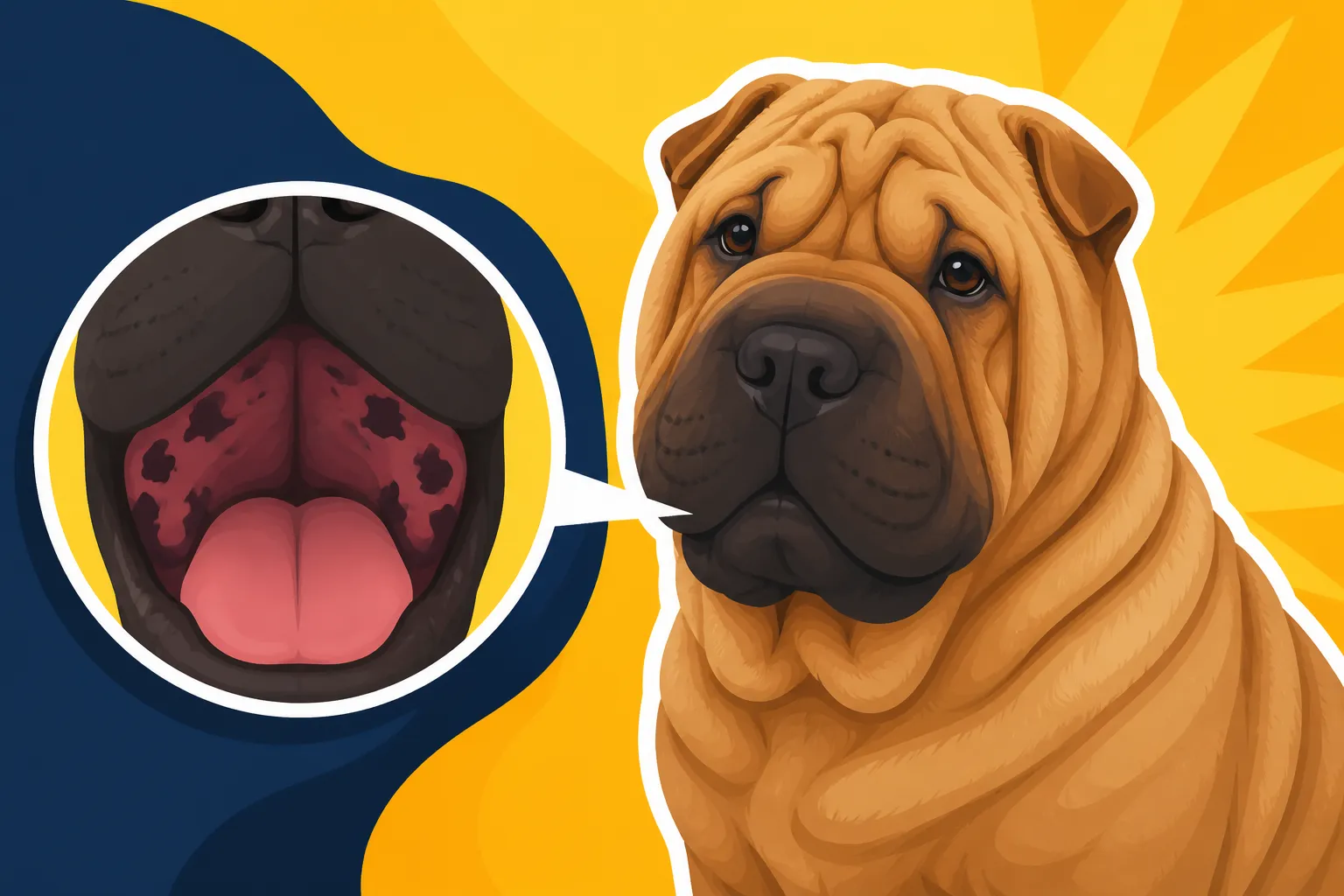
What a Meat Mouth Shar Pei Is
When you delve into the world of Shar Pei, you quickly discover there's more to their iconic wrinkles than meets the eye. Many new owners, and even some seasoned enthusiasts, find themselves a bit confused by terms like "meat mouth" and "bone mouth." These aren't just cute nicknames; they describe distinct physical characteristics that have real implications for a Shar Pei's appearance, health, and care. This guide is here to untangle the mystery of the "meat mouth" Shar Pei, explaining exactly what defines this type, how it came to be the more common standard, and what you need to know to care for one.
Understanding the Terminology: Meat Mouth vs. Bone Mouth
The terms "meat mouth" and "bone mouth" have a long, fascinating history tied to the Shar Pei breed itself, and understanding them is key to appreciating the variations within this unique dog. They originated as descriptive terms in China, long before the breed gained international recognition.
The Historical Context of Shar Pei Types
Back in their native China, particularly in the southern provinces, Shar Pei were working dogs, used for hunting, guarding, and even fighting. The environment they lived in was harsh, and dogs were bred for functionality and resilience. The terms "meat mouth" and "bone mouth" weren't formal breed classifications but rather informal ways to describe dogs with different head and muzzle structures. A "bone mouth" Shar Pei was typically leaner, with a more angular, less fleshy muzzle and fewer wrinkles overall. These were often the working dogs, built for agility and endurance. The "meat mouth", conversely, had a more substantial, padded muzzle and more pronounced wrinkles, sometimes seen as a sign of robustness or even a quirky aesthetic.
However, the breed faced near extinction in the mid-20th century. By 1978, it was estimated that Sixty Shar Pei Were Left in 1978, making them one of the rarest dogs on Earth. It was during this critical period of preservation and rebuilding, largely spearheaded by Matgo Law in Hong Kong and subsequently by Western enthusiasts, that the breed's appearance began to shift. The limited gene pool and differing breeding goals between the East and West ultimately led to a more pronounced divergence in what was considered desirable, and the "meat mouth" aesthetic, with its dramatic wrinkles, began to capture attention.
Distinguishing Features: What Defines a "Meat Mouth"
At its core, a "meat mouth" Shar Pei is characterized by a more abundant, fleshy appearance, particularly around the muzzle and head. Think of a face with ample padding, giving it a somewhat "puffy" or "full" look.
The most defining feature is the muzzle itself. Instead of a tight, angular jawline, a "meat mouth" Shar Pei boasts a broad, deep muzzle that often feels thick and soft to the touch due to extra tissue and skin. This gives the dog a distinctive, almost "hippo-like" profile. Beyond the muzzle, the "meat mouth" type typically exhibits a greater degree of wrinkling, especially on the forehead, cheeks, and around the neck, often extending down the body, particularly when they are puppies. This doesn't mean a bone mouth has no wrinkles, but the volume and distribution are significantly different. For example, a bone mouth might have wrinkles primarily on its head, while a meat mouth has them in abundance all over its body, sometimes leading owners to wonder Whether a Wrinkly Shar Pei Puppy Stays Wrinkly. The heavier bone structure and more substantial build also contribute to the overall impression of a "meat mouth" as a more massive, blockier dog compared to its leaner, more athletic bone mouth counterpart. It's a look that, while striking, comes with its own set of unique care requirements.
The Physical Characteristics of a Meat Mouth Shar Pei
When you see a Shar Pei, the first thing that strikes you is usually those magnificent wrinkles and that distinctive face. With a "meat mouth" type, these features are often amplified, creating an unforgettable and highly recognizable profile.
The Distinctive Muzzle and Head Shape
The muzzle of a meat mouth Shar Pei is truly its calling card. It's not just broad; it's deep and has a characteristic "padding" or fleshy quality that gives it a wonderfully expressive, almost perpetually surprised or thoughtful look. Imagine a face that has been liberally sculpted with soft tissue, making the lips and jowls appear fuller and more prominent. This padded muzzle contributes to the breed's unique "scowling" expression, which is often misinterpreted as aggression but is simply a result of their facial structure. Many owners find this aspect incredibly endearing, often describing it as a "hippopotamus" or "teddy bear" look.
The head itself tends to be larger and more substantial on a meat mouth Shar Pei, often described as a "melon" or "brick" shape, rather than the more refined, wedge-shaped head of a bone mouth. This is where you'll see a wealth of wrinkles—deep furrows across the forehead, often running down the cheeks and creating those iconic folds that frame their small, sunken eyes. This abundance of skin, while aesthetically pleasing to many, is what truly sets the meat mouth apart and leads to some of its specific health challenges, which we'll discuss later. You'll often hear people comment on Whether a Meat Mouth Shar Pei Has a Padded Muzzle, and the answer is a resounding yes; it's a hallmark of the type.
Wrinkles and Skin: A Defining Trait
While all Shar Pei are known for their wrinkles, the "meat mouth" variety takes this characteristic to a whole new level. In these dogs, the skin isn't just loose; it's abundant, thick, and often covers a larger proportion of their body, not just their head. As puppies, a meat mouth Shar Pei can look like a furry blanket draped over a tiny frame, with wrinkles cascading from their head down their neck, over their shoulders, and along their back and legs. While they do "grow into" some of this skin as they mature, an adult meat mouth will still retain a significant degree of wrinkling, especially on the head, neck, and chest.
This generous skin isn't just for show; it's part of the Shar Pei's ancient history, believed to have provided protection during fights with wild boars or other dogs by allowing them to twist within their skin if bitten. However, in the modern context, this excess skin needs careful management. The deep folds can trap moisture, dirt, and debris, creating a warm, humid environment perfect for bacterial or yeast infections, leading to conditions like skin fold dermatitis. It’s a constant consideration for owners, who often wonder Whether a Less Wrinkled Shar Pei Is Healthier simply because fewer folds mean fewer places for trouble to brew. The unique texture of their coat, often described as "sandpaper-like" or "horse coat," also contributes to their distinctive feel and appearance.
The Journey to Prominence: How the Meat Mouth Became the Standard
The Shar Pei's story is one of dramatic change, from near extinction to global recognition, and the "meat mouth" type played a crucial role in this resurgence and eventual standardization.
The Resurgence and Western Influence
The critical period for the Shar Pei came in the 1970s. After decades of political upheaval and anti-dog policies in mainland China, the breed was on the brink of vanishing. It was Matgo Law, a Hong Kong businessman, who penned a plea to an American dog magazine, essentially asking for help to save the remaining dogs. This desperate call to action worked, captivating Western dog lovers who were drawn to the breed's exotic and ancient appearance.
As the few remaining Shar Pei were imported into the United States and other Western countries, breeders faced the enormous task of rebuilding a healthy population from an incredibly small genetic foundation. These early imports often carried the traits that would become synonymous with the "meat mouth" type: the broader head, substantial muzzle, and more pronounced wrinkles. It's important to understand that there was an immediate and strong demand for these unique-looking dogs. The visual novelty of the "excessively" wrinkled puppy was undeniable and quickly became highly sought after. This demand naturally influenced breeding decisions, often prioritizing the exaggerated features that garnered public attention and interest. How Fast Shar Pei Numbers Recovered after the initial appeal was astounding, but this rapid expansion also meant that certain traits, including the "meat mouth" aesthetic, became dominant. Whether Western Breeders Made the Shar Pei Wrinklier is a question that arises from this period, and the evidence suggests that the preference for the more heavily wrinkled look did indeed intensify during the breed's Western development.
The AKC and Breed Standards
As the Shar Pei's popularity soared, so did the need for formal recognition by kennel clubs. The American Kennel Club (AKC) officially recognized the breed in 1992, and with this recognition came a detailed breed standard. This standard, designed to describe the ideal characteristics of the Shar Pei, largely codified the "meat mouth" appearance.
The AKC standard calls for a moderately wrinkled dog, particularly on the head and neck, with a broad, full muzzle often described as a "hippopotamus" muzzle. It describes a substantial dog, with a rather large head in proportion to the body. This emphasis on distinct head features and some degree of wrinkling solidified the "meat mouth" as the accepted ideal. While the standard does caution against excessive loose skin that might impede movement or vision, it's clear that the favored silhouette is that of the more substantial, well-padded "meat mouth." This means that when you see a Shar Pei in a dog show ring today, it will almost certainly embody the characteristics of the "meat mouth" type, reflecting Which Type the AKC Standard Describes. This standardization, while crucial for breed integrity, has also meant that the leaner, less wrinkled "bone mouth" type, which was arguably closer to the original working Shar Pei, became less common in the show ring and, consequently, in many breeding programs aimed at producing show-quality dogs.
Health Considerations Associated with the Meat Mouth Type
While the "meat mouth" Shar Pei's distinctive appearance is undeniably charming, it's crucial for prospective and current owners to understand that some of these exaggerated features can come with significant health implications. These aren't just cosmetic quirks; they require proactive care and can sometimes lead to serious discomfort or medical intervention.
Potential Issues Arising from Exaggerated Features
The very features that define a "meat mouth" Shar Pei – the abundant wrinkles and padded muzzle – are often the source of their most common health problems. Perhaps the most well-known is entropion, a condition where the eyelids roll inward, causing the eyelashes or hair to rub against the cornea. This is particularly prevalent in Shar Pei puppies due to their excess facial skin. The constant irritation can lead to pain, inflammation, corneal ulcers, and, if left untreated, even blindness. Entropion in a Shar Pei Puppy Is an Emergency, Not a Cosmetic Issue; it’s not something that can wait. Affected puppies often can't even open their eyes fully, and they require immediate veterinary attention, which often means a temporary procedure called "eye tacking" or, in more severe cases, permanent corrective surgery.
Beyond the eyes, the deep skin folds themselves are breeding grounds for trouble. Skin fold dermatitis, also known as pyoderma, is a common bacterial or yeast infection that thrives in the warm, moist, dark environments created by these overlapping skin layers. These infections can be incredibly itchy, painful, and emit a foul odor. They often occur in the facial folds, around the tail, or even in the deeper body wrinkles. Regular cleaning and drying are essential preventative measures, but flare-ups can be chronic, requiring medicated shampoos, wipes, and sometimes systemic antibiotics or antifungals. Products found at pet retailers like Chewy often include specific medicated wipes or shampoos designed to manage these skin issues, but always consult your vet for a diagnosis and treatment plan. It’s a reality that Skin Fold Dermatitis on a Shar Pei is a frequent visitor to many Shar Pei households.
Respiratory and Other Concerns
While not a brachycephalic (short-nosed) breed in the same extreme way as a Pug or a Bulldog, the excessively padded muzzle of some meat mouth Shar Pei can sometimes lead to mild respiratory challenges. If the soft tissues around the nostrils or within the airway are particularly thick, it can restrict airflow, leading to noisy breathing or reduced exercise tolerance, especially in hot weather. Whether a Shar Pei's Muzzle Affects Its Breathing is a valid question, and while it's less common than in truly brachycephalic breeds, it's something to be aware of. Owners should always monitor their Shar Pei for signs of labored breathing, especially during exertion or in high temperatures.
It's also important to remember that the push for exaggerated features, coupled with the breed's narrow genetic bottleneck, has contributed to a higher prevalence of certain genetic health conditions across the breed, regardless of whether they are strictly "meat mouth" or "bone mouth." One of the most serious is Shar Pei Fever, a hereditary inflammatory disease. This condition is directly linked to the gene that gives them their wrinkles. One Mutation Gave the Shar Pei Its Wrinkles and Its Fever, which means that the very trait that defines them also predisposes them to a potentially life-threatening illness. Managing these conditions requires dedicated veterinary care and a deep understanding of the breed's unique needs.
Living with a Meat Mouth Shar Pei: Care and Considerations
Bringing a "meat mouth" Shar Pei into your home is a rewarding experience, but it comes with a commitment to proactive care. Their distinctive features, while charming, demand regular attention to ensure their comfort and long-term health.
Daily Grooming and Hygiene
The abundant folds and padded muzzle of a meat mouth Shar Pei require diligent, regular cleaning to prevent infections. Think of each fold as a potential trap for moisture, food debris, and bacteria. Without consistent cleaning, these areas can quickly become irritated, itchy, and infected.
You'll want to gently wipe inside all facial folds, paying close attention to the areas around the eyes and nose. Many owners use soft, damp cotton pads or vet-approved pet wipes for this. After cleaning, it's absolutely crucial to thoroughly dry the folds. Residual moisture is the enemy, as it creates the perfect breeding ground for yeast and bacteria. A soft cloth or even a gentle, cool setting on a hairdryer can be used, taking care not to burn their delicate skin. This daily ritual isn't just about hygiene; it’s an opportunity to bond with your dog and to inspect their skin for any signs of redness, irritation, or odor, which could indicate the start of an infection. Beyond the folds, keeping their ears clean is vital, given how narrow their ear canals naturally are. Regular cleaning with a vet-recommended solution can help prevent painful ear infections. You should also ensure Whether a Shar Pei's Eyes Should Be Checked Yearly during routine vet visits, but also be vigilant at home.
Choosing a Responsible Breeder or Rescue
Given the potential health challenges associated with a meat mouth Shar Pei's exaggerated features, choosing a responsible source for your puppy or adult dog is paramount. A reputable breeder will prioritize health, temperament, and ethical breeding practices over extreme aesthetics.
When seeking a breeder, look for one who openly discusses the health issues common to the breed, especially Shar Pei Fever and entropion, and can provide health clearances for the parents. They should be transparent about the lineage and any history of these conditions in their breeding lines. A good breeder will also have a comprehensive contract that outlines health guarantees and their responsibilities. Asking What a Shar Pei Breeder's Contract Should Cover is a smart move. They will also be very particular about where their puppies go, interviewing you thoroughly to ensure you understand the commitment involved in owning a Shar Pei. Avoid breeders who sell puppies too young, don't allow you to meet the parents, or are unwilling to discuss potential health issues.
Alternatively, consider adopting a Shar Pei from a reputable breed-specific rescue. Many wonderful Shar Pei end up in rescues through no fault of their own, often due to owners being unprepared for their unique needs or health issues. Rescues typically perform thorough health checks, address any immediate medical needs, and provide known histories for their dogs. Adopting an adult Shar Pei means their specific health and temperament traits are often already evident, which can be a huge advantage. Regardless of whether you choose a breeder or a rescue, a Shar Pei is a significant commitment, and doing your homework upfront will lead to a much happier and healthier life together.
Here's a quick comparison of the two Shar Pei types:
| Feature | Meat Mouth Shar Pei | Bone Mouth Shar Pei |
|---|---|---|
| Muzzle Shape | Broad, deep, and fleshy/padded (hippopotamus-like) | Leaner, more angular, less fleshy |
| Head Size | Generally larger and blockier | Smaller, often more refined and wedge-shaped |
| Wrinkles | Abundant on head, neck, often extending to body | Fewer wrinkles, primarily on head, tighter skin |
| Body Build | More substantial, heavier boned, stockier | Lighter, more athletic, often leaner |
| Overall Impression | "Puffy," "cobby," or "hippo-like" | More traditional, alert, less exaggerated |
| Common Health Issues | Higher risk of entropion, skin fold dermatitis | Generally fewer issues related to skin/folds |
| Prevalence in Shows | Predominant in modern show rings (AKC standard) | Less common in show rings, closer to original type |
Disclaimer
This article is for general informational purposes only and does not constitute professional advice. Laws, prices and regulations vary by location and change over time. Consult a qualified professional for guidance on your specific situation.