How Much a Shar Pei Weighs
Many Shar Pei owners are often surprised by the solid heft hidden beneath all those wonderful wrinkles, sometimes assuming a smaller, more delicate dog due to their unique appearance. It's a common frustration to expect one thing and discover another, especially when it comes to understanding the physical development of your beloved companion. This guide will walk you through everything you need to know about how much a Shar Pei typically weighs, from their puppy stages to adulthood, and what factors might influence their size and overall health.
The Standard Shar Pei Weight: What the Breed Clubs Say
When you're bringing any purebred dog into your life, one of the first places many people look for guidance on what to expect is the breed standard. This document, set by kennel clubs, outlines the ideal characteristics of the breed, including their size, structure, and temperament. For the Shar Pei, this means there's a generally accepted range for their adult weight, which gives us a good baseline.
A Look at the AKC Standard
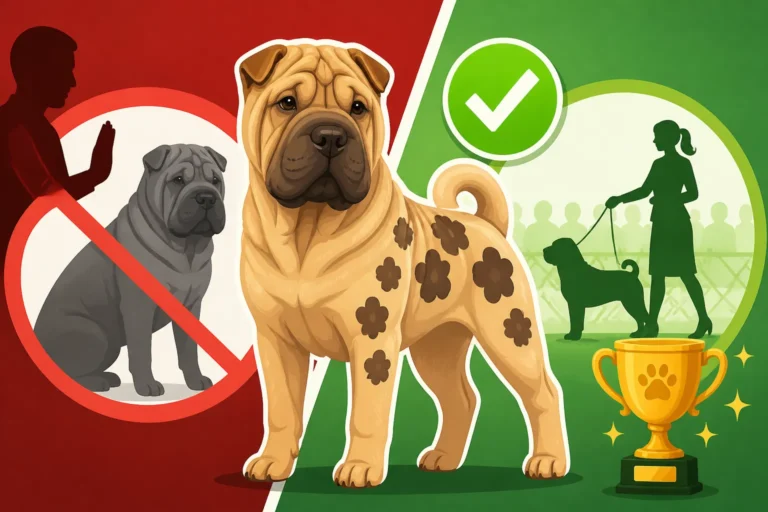
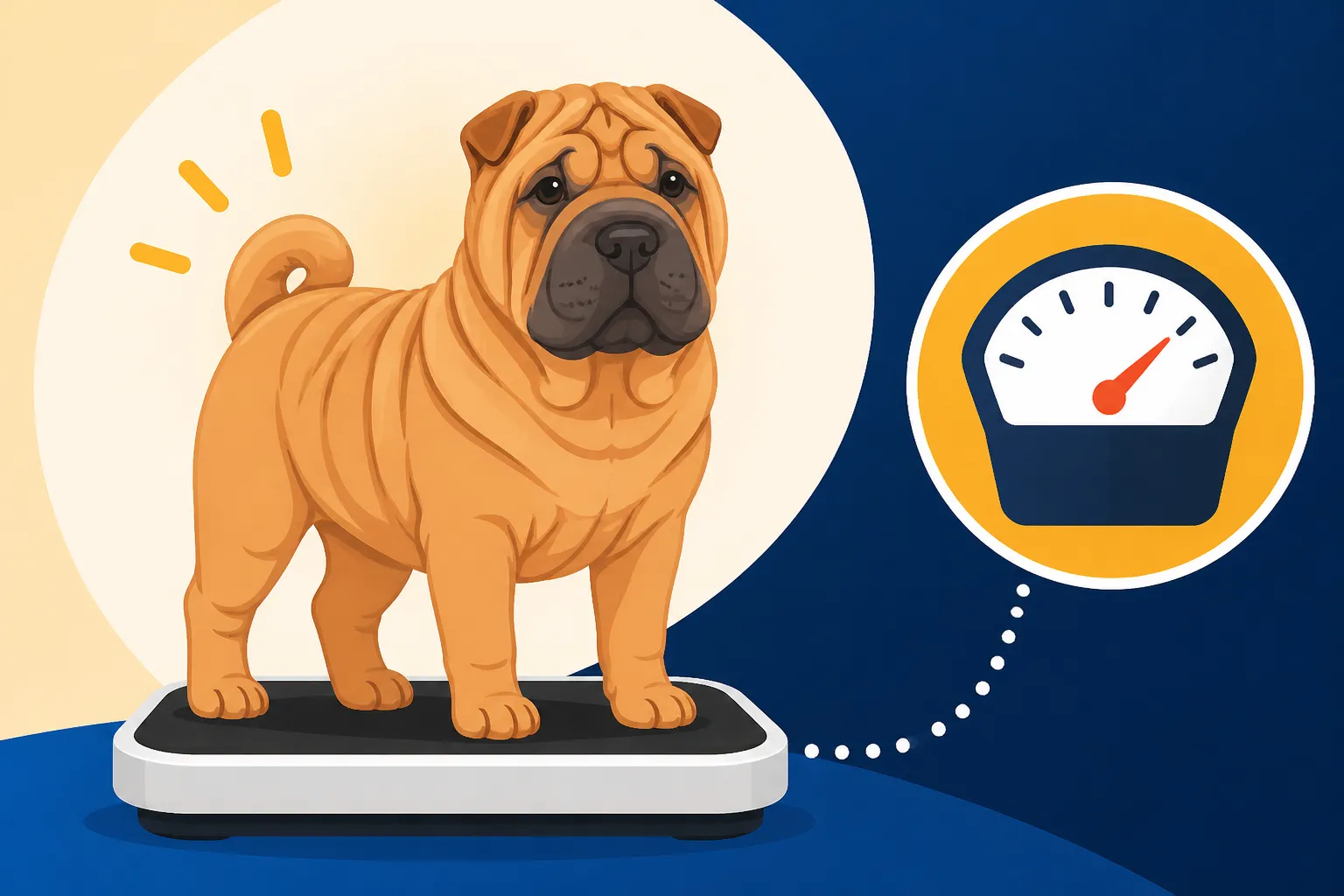
Most major kennel clubs, like the American Kennel Club (AKC), provide a clear picture of the breed's expected physical attributes. For the Shar Pei, the standard typically describes a medium-sized dog. You'll find that an adult Shar Pei usually stands between 18 and 20 inches at the shoulder. When it comes to weight, this is where the solid nature of the breed really comes into play. Most adult Shar Pei will weigh in the range of 45 to 60 pounds.
Now, it's important to remember that this is a guideline. A male Shar Pei will almost always be on the higher end of that spectrum, often hitting the 55-60 pound mark, sometimes even a little more, while females typically fall into the 45-55 pound range. This difference isn't just about height; males tend to have a more robust bone structure and greater muscle mass, contributing to their overall weight. So, if you have a perfectly healthy, active female Shar Pei clocking in at 48 pounds, she's likely right on target. Conversely, a large, well-muscled male at 62 pounds might also be perfectly healthy and within a reasonable individual variation of the standard. It’s not a hard and fast rule set in stone, but rather an indicator of the breed's general build. You can find more details on their overall physical description in What a Shar Pei Weighs and How Tall It Stands.
Why the Standard Matters (and Doesn't)
The breed standard primarily serves as a blueprint for breeders aiming to produce dogs that embody the breed's historical and functional characteristics, and for judges in the show ring. For a pet owner, while it’s interesting and can give you a general idea of what to expect, it's not the ultimate measure of your dog's well-being. A dog that is a few pounds over or under the "ideal" weight for the standard, but is otherwise healthy, active, and well-fed, is perfectly fine.
What matters more than hitting an exact number on the scale is your individual dog's body condition. Can you feel their ribs easily without them being visibly protruding? Do they have a discernible waist when viewed from above? Do they have an abdominal tuck when viewed from the side? These are far better indicators of a healthy weight for your specific Shar Pei than rigid adherence to a breed standard weight range. The standard gives you a rough expectation, but your veterinarian will be your best resource for assessing your dog's ideal individual weight and body condition score.
Factors Influencing a Shar Pei's Weight
Just like people, not every Shar Pei is built exactly the same. There are several factors that can play a significant role in how much your individual Shar Pei weighs, even within that standard range. Understanding these nuances can help you appreciate the unique qualities of your dog and ensure you're setting them up for optimal health.
Gender Differences
As briefly mentioned before, gender is a primary determinant of a Shar Pei's adult weight. Male Shar Pei are, on average, larger and heavier than females. This isn't unique to the Shar Pei; it's a common pattern across many dog breeds, and indeed, many mammalian species. Males often mature into a more substantial build, with broader chests, larger heads, and more developed muscle mass.
Think of it this way: a male Shar Pei at his ideal body condition might effortlessly weigh 58 pounds, looking perfectly proportioned and strong. A female, in equally ideal body condition, might look every bit as healthy and fit at 48 pounds. Trying to get your female to weigh as much as a male might lead to unhealthy overfeeding, and vice-versa, expecting a male to stay as svelte as a female could lead to him being underweight. It's crucial to acknowledge and respect these natural biological differences when considering your dog's ideal weight.
Coat Type and Build
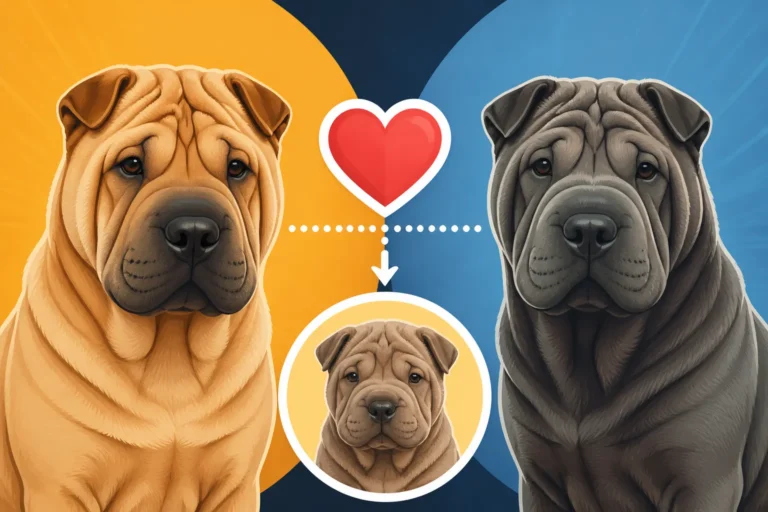
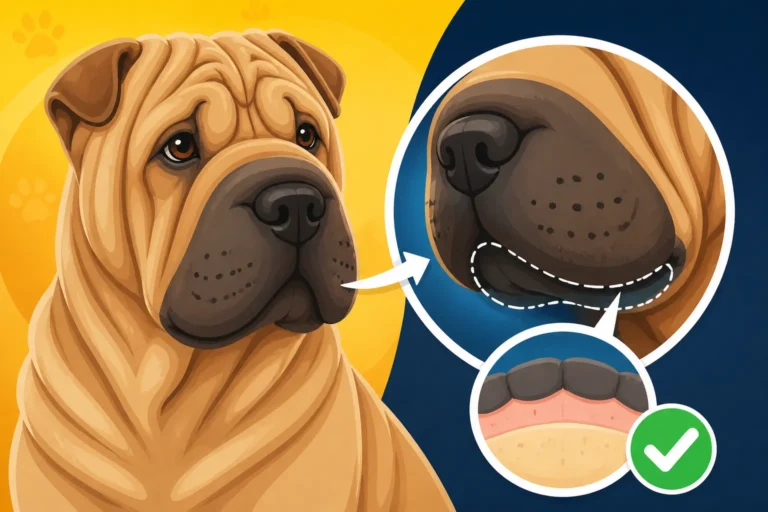
The Shar Pei breed has experienced some interesting divergences in appearance over the years, most notably between what breeders refer to as "Meat Mouth" and "Bone Mouth" types. While the AKC standard generally describes a more substantial, "meatier" muzzle, the "Bone Mouth" type reflects a more traditional, leaner appearance, particularly in the head. These distinctions can subtly influence how a dog looks in terms of weight, even if the actual scale reading is similar.
A Shar Pei with a more substantial "Meat Mouth" build might appear heavier due to thicker skin, more pronounced wrinkling, and a broader muzzle, even if their underlying bone structure and muscle mass are comparable to a leaner "Bone Mouth" dog. Conversely, a "Bone Mouth" Shar Pei, often associated with fewer wrinkles and a more athletic build, might look less "chunky" even if their weight falls squarely within the breed standard. It's less about a huge difference in pounds and more about perceived density and overall body shape. There's ongoing discussion about Whether a Bone Mouth Shar Pei Is Healthier, and while the build itself might not dictate health, the breeding choices associated with different types can certainly have an impact. The original purpose of the breed, which you can learn about in What a Shar Pei Was Originally Bred to Do, also gives context to why these powerful, sturdy builds were favored.
Age and Growth Patterns
A Shar Pei's weight journey begins in puppyhood and evolves throughout their life. It's not a static number, but rather a dynamic indicator of their growth and health.
Puppies grow at an astonishing rate, but it's not always linear. They might have growth spurts where they seem to stretch out, followed by periods where they fill out. By the time they reach adulthood, usually around 18 to 24 months, their growth plates have closed, and they've largely settled into their adult weight. You can read more about this in The Age a Shar Pei Reaches Full Weight. However, this adult weight isn't necessarily their final weight. As Shar Pei age, particularly after they are spayed or neutered, their metabolism can slow down. Senior dogs, typically considered over the age of seven, may also experience changes in muscle mass and activity levels, which can impact their weight. Some might start to lose muscle and become a bit thinner, while others might gain weight if their caloric intake isn't adjusted to their lower energy needs. Regular veterinary check-ups are especially important as they age to monitor these changes and ensure their weight remains healthy. Caring for a Shar Pei Past Seven offers more insights into their later years.
Puppy Weight: Tracking Growth and Development
Bringing home a Shar Pei puppy is an adventure, and watching them grow is one of the most exciting parts. But it also comes with a lot of questions, especially about whether they're developing at a healthy rate.
What to Expect from a Shar Pei Puppy
Shar Pei puppies are adorable bundles of wrinkles, and they grow quite quickly in their first year. While exact weights vary, you can expect a significant increase in their early months. A healthy 8-week-old Shar Pei puppy might weigh anywhere from 10 to 15 pounds, depending on their sex and lineage. From there, they'll steadily gain weight, often putting on several pounds a month during their peak growth phases.
By 4-6 months, many Shar Pei puppies are already half their adult weight, sometimes tipping the scales at 25-35 pounds. It's a period of rapid development, both physically and mentally. During this time, proper nutrition is absolutely paramount to support their growing bones, muscles, and developing immune system. Monitoring their weight weekly or bi-weekly at home, or during vet visits, can help ensure they're on a healthy trajectory. If you notice a sudden stall in growth or an unexpected drop, it's always a good idea to consult your veterinarian.
The "Growing Into Their Skin" Myth
This is perhaps one of the most enduring myths about Shar Pei puppies, and it's something I hear time and time again from new owners. They look at their incredibly wrinkled puppy, with rolls upon rolls, and assume that as the puppy grows, they will "stretch out" and the wrinkles will disappear. While it's true that some of the excessive puppy wrinkles will lessen as they fill out and mature, especially on the body, a Shar Pei puppy doesn't "grow into" their skin in the way many people imagine. The breed is defined by its wrinkles!
In reality, a healthy Shar Pei adult will still retain prominent wrinkles, particularly on the head and neck. If a puppy is too wrinkly, to the point where it impacts their vision (leading to entropion) or causes constant skin fold issues, that's actually a health concern, not just a cosmetic trait they'll outgrow. Whether a Shar Pei Puppy Grows Into Its Skin delves deeper into this topic. Often, when people refer to a Shar Pei "growing into its skin," they're observing a healthy puppy filling out and gaining muscle mass, which naturally stretches some of the looser skin. But the fundamental genetic predisposition for wrinkles remains. Overfeeding a puppy in an attempt to make them "grow into" their wrinkles faster is detrimental to their health and can lead to skeletal problems down the line.
Maintaining a Healthy Weight for Your Shar Pei
Ensuring your Shar Pei maintains an appropriate weight throughout their life is one of the most crucial aspects of responsible pet ownership. It directly impacts their longevity, their comfort, and their overall quality of life. Neither being too heavy nor too light is ideal.
The Risks of Being Overweight
It's tempting to spoil our furry friends with extra treats or slightly larger portions, especially when they give us those soulful Shar Pei eyes. However, for a Shar Pei, carrying extra weight can lead to a cascade of health problems, some of which are particularly pronounced in the breed.
Firstly, their unique body structure means that excess weight puts undue strain on their joints, especially their hips and elbows. This can accelerate the onset or worsen the symptoms of conditions like arthritis. Secondly, Shar Pei are already prone to overheating due to their short snouts and sometimes denser coats. Extra fat acts as insulation, making it even harder for them to regulate their body temperature, especially in warmer climates or during exercise. This means a seemingly harmless extra five pounds could significantly increase their risk of heatstroke during a simple walk on a warm day. Thirdly, the deep skin folds that are characteristic of the breed can become more problematic with increased weight. Excess skin and fat can deepen these folds, creating more areas for moisture and bacteria to become trapped, leading to skin fold dermatitis and yeast infections. If you're wondering if your Shar Pei might be carrying too much weight, look for Signs a Shar Pei Is Overweight and speak with your vet.
The Dangers of Being Underweight
While obesity often gets more attention, a Shar Pei that is consistently underweight is also a cause for serious concern. Being too thin can indicate underlying health issues that need immediate veterinary attention.
An underweight Shar Pei might appear lethargic, have a dull coat, and lack the energy for play and exercise. Their ribs and spine might be easily visible or feel very prominent, indicating a lack of muscle and fat cover. Causes for being underweight can range from inadequate nutrition or a poor-quality diet to more serious medical conditions. Gastrointestinal issues, parasites, dental problems that make eating painful, or even metabolic diseases like hyperthyroidism (though less common in Shar Pei than hypothyroidism) could be at play. Most importantly, kidney disease, a prevalent concern in the breed, can lead to weight loss and a poor appetite as it progresses. If you're noticing your Shar Pei losing weight without an obvious reason, it's vital to investigate. A comprehensive vet check, including blood work and a urine protein test, can help uncover underlying issues. Keep an eye out for Signs a Shar Pei Is Too Thin and always consult your vet if you're worried.
Nutrition and Exercise for Weight Management
Achieving and maintaining a healthy weight for your Shar Pei is a two-pronged approach: balanced nutrition and appropriate exercise. There's no magic bullet, but consistent, thoughtful care makes all the difference.
For nutrition, focus on a high-quality, balanced dog food that is appropriate for your dog's age, activity level, and any specific health needs. Portion control is absolutely key. Many dog food bags provide feeding guidelines, but these are just starting points. Your individual dog's metabolism and daily activity will dictate the exact amount. Using a measuring cup for kibble ensures consistency, and if you're giving treats, remember to factor those calories into their daily intake. Brands available at places like Chewy offer a wide range of specialized diets, from weight management formulas to limited ingredient options for those with sensitivities. You can learn more about their daily intake in What an Adult Shar Pei Eats.
Exercise, while important, needs to be tailored to the Shar Pei's specific needs and limitations. They are not endurance athletes, and their brachycephalic tendencies (though less pronounced than a Bulldog) combined with their skin folds mean they can overheat easily. An hour of moderate exercise daily, often split into two shorter walks, is generally sufficient. Think brisk walks, not long runs, especially in warmer weather. Always prioritize cooler times of the day for walks. For more guidance on their activity levels, check out How Much Exercise a Shar Pei Needs. Interactive play, puzzle toys, and short training sessions can also provide mental and physical stimulation without overexertion. Consistency, rather than intensity, is the goal for their physical activity.
| Age / Stage | Typical Weight Range (Female) | Typical Weight Range (Male) | Key Considerations |
|---|---|---|---|
| 8-12 Weeks Puppy | 10-20 lbs | 12-25 lbs | Rapid growth, nutritional needs are high, frequent vet checks. |
| 4-6 Months Puppy | 25-35 lbs | 30-45 lbs | Approaching half adult weight, careful growth monitoring. |
| 1 Year Old | 40-50 lbs | 50-60 lbs | Nearing adult size, continued muscle and bone development. |
| Adult (1.5+ Years) | 45-55 lbs | 50-65 lbs | Maintenance, monitor body condition, adjust food/exercise. |
| Senior (7+ Years) | 40-50 lbs | 45-58 lbs | Metabolism slows, potential muscle loss, increased vet visits. |
When Weight Becomes a Concern: Talking to Your Vet
It's one thing to observe your dog, and another to know when those observations warrant a trip to the veterinarian. When it comes to your Shar Pei's weight, there are clear indicators that signal it's time to seek professional advice.
Recognizing Red Flags
As devoted Shar Pei parents, we spend a lot of time with our dogs, and we're often the first to notice subtle changes. If you see a sudden, unexplained weight loss or gain, that's a red flag. A dog that drops several pounds in a short period without a change in diet or exercise, or conversely, packs on significant weight despite a controlled intake, needs to be checked.
Other warning signs include a persistent loss of appetite or a sudden ravenous appetite, changes in water consumption, lethargy, or a noticeable decrease in energy and enthusiasm for activities they once enjoyed. Vomiting, diarrhea, or changes in stool consistency are also signs that something is amiss internally and could be impacting their ability to absorb nutrients, thus affecting their weight. Don't brush off these changes; your Shar Pei relies on you to be their advocate. Catching issues early can make a world of difference in treatment outcomes.
Medical Conditions Affecting Weight
Unfortunately, Shar Pei are prone to certain breed-specific health issues that can directly impact their weight. Being aware of these can help you and your vet narrow down potential causes if your dog's weight becomes a problem.
One of the most well-known concerns is hypothyroidism, a condition where the thyroid gland doesn't produce enough hormones. This often leads to a slower metabolism, weight gain, lethargy, and a dull coat. Conversely, conditions like kidney disease, a significant issue in Shar Pei (often linked to Familial Shar Pei Fever and Amyloidosis), can lead to weight loss, decreased appetite, and muscle wasting as the disease progresses. Signs a Shar Pei's Kidneys Are Failing can help you recognize early indicators. Other issues, such as gastrointestinal problems, chronic allergies, or even dental pain, can also cause a Shar Pei to lose weight because they're not eating or absorbing nutrients properly. Regular preventative veterinary care, including routine blood work and urine tests, especially as your Shar Pei moves into their middle and senior years, is critical for early detection of these conditions. Signs a Shar Pei's Thyroid Is Low is another important resource to understand. Your vet might also suggest a specialized diet, perhaps from a trusted retailer like Chewy, if a specific medical condition is diagnosed. This proactive approach can help manage conditions before they become severe, and often helps in maintaining a healthy weight.
Disclaimer
This article is for general informational purposes only and does not constitute professional advice. Laws, prices and regulations vary by location and change over time. Consult a qualified professional for guidance on your specific situation.