The Shar Pei Against a Chow Chow
It’s easy to look at a Shar Pei and a Chow Chow and see some striking similarities – both are ancient breeds with origins in China, both carry that distinctive blue-black tongue, and both often have a rather serious, independent demeanor. But if you're considering bringing one of these magnificent dogs into your home, mistaking their shared traits for identical personalities or care needs would be a huge disservice to both breeds. This comprehensive guide will peel back the layers of these intriguing canines, comparing their history, physical characteristics, temperaments, health considerations, and daily living requirements, so you can truly appreciate their unique qualities.
Ancestry and Origins: More Than Just a Blue Tongue
Many people are drawn to the mystique surrounding these two ancient breeds, especially their shared, unusual tongue color. But their histories, while both originating from China, tell very different stories about their original purpose and the journey they’ve taken to become the dogs we know today. Understanding their past is key to understanding their present behavior.
The Ancient Roots of the Shar Pei
The Shar Pei hails from the southern provinces of China, where it was originally a versatile farm dog. Think of a loyal, hardworking canine that could wear many hats: a guardian of livestock and property, a skilled hunter of wild boar, and even a fighting dog, though that last role is often sensationalized. Their loose skin and prickly coat, which feel a bit like sandpaper, were originally practical adaptations, not just aesthetic quirks. That loose skin made it difficult for an opponent (whether animal or human) to get a solid grip, offering a layer of protection.
During the mid-20th century, China's political landscape dramatically changed, leading to severe taxes on dog ownership and, tragically, a near-eradication of many breeds. The Shar Pei faced extinction, with only a handful surviving, primarily in Hong Kong. It took the dedicated efforts of a man named Matgo Law, who famously appealed to the Western world in the 1970s, to save the breed from vanishing entirely. This desperate plea brought the Shar Pei to international attention, but also, as we'll discuss later, had significant impacts on its genetic diversity. Their history explains so much of their independent, watchful, and sometimes wary nature. They were bred to be self-sufficient and protective. If you want to dive deeper into their original purpose, check out What a Shar Pei Was Originally Bred to Do and What the Shar Pei Was Used For in China.
The Chow Chow's Storied Past
The Chow Chow's history in China stretches back even further, with some archaeological evidence suggesting their presence for thousands of years. Often depicted in ancient Chinese art, these impressive dogs were true multi-purpose companions to emperors and peasants alike. They served as formidable temple guardians, powerful draft animals pulling carts, and even hunting dogs, particularly for pheasant and wolf. Tragically, in times of scarcity, they were also sometimes bred for their meat and fur, a grim reality that highlights the harsh conditions in which they sometimes lived.
Unlike the Shar Pei, which faced a more sudden, drastic decline, the Chow Chow's numbers remained more stable within China for centuries, largely due to their diverse utility and perhaps their more robust, stoic nature. Their regal appearance and often aloof temperament reflect their long history as dogs of status and utility, often left to their own devices to perform their duties. They were not lapdogs or eager-to-please companions; rather, they were silent, dignified partners who held their own counsel.
The Lingual Connection: Myth vs. Reality
One of the most instantly recognizable traits shared by both the Shar Pei and the Chow Chow is their unique blue-black tongue. This isn't just a quirk; it's a fascinating genetic characteristic that sets them apart from almost every other dog breed, aside from some rare instances in other breeds or mixed-breeds. For centuries, this shared trait led to speculation that the two breeds must be very closely related, perhaps even sharing a recent common ancestor.
However, modern genetic studies suggest a more nuanced picture. While both breeds are ancient and originate from Asia, the blue-black tongue is likely a shared ancestral trait that persisted in both, rather than definitive proof of a recent direct lineage between them. Think of it like a very old family heirloom passed down through different branches of a family tree that diverged a long, long time ago. It's an intriguing biological puzzle, and it certainly adds to the mystique of these dogs. It’s truly fascinating to learn that Which Other Breed Has a Blue Black Tongue is actually a wild canid! For a deeper dive into this specific genetic mystery, you might find Whether the Shar Pei and the Chow Chow Are Related and Whether the Blue Tongue Proves a Shared Ancestor quite illuminating.
Distinct Physical Traits: Wrinkles vs. Lion's Mane
While both breeds command attention with their imposing presence, their physical appearances are strikingly different, evolving to suit their distinct purposes and environments. From coat texture to facial structure, these differences aren't just cosmetic; they significantly impact their care and interaction with the world.
Shar Pei's Signature Folds and Coat
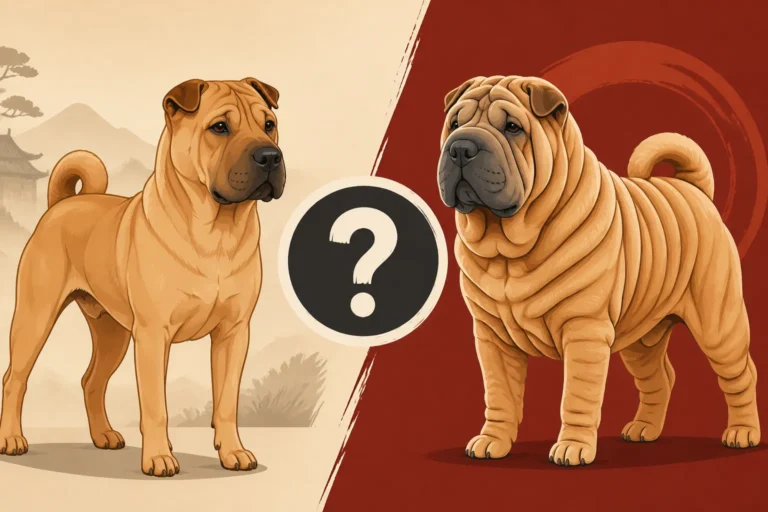
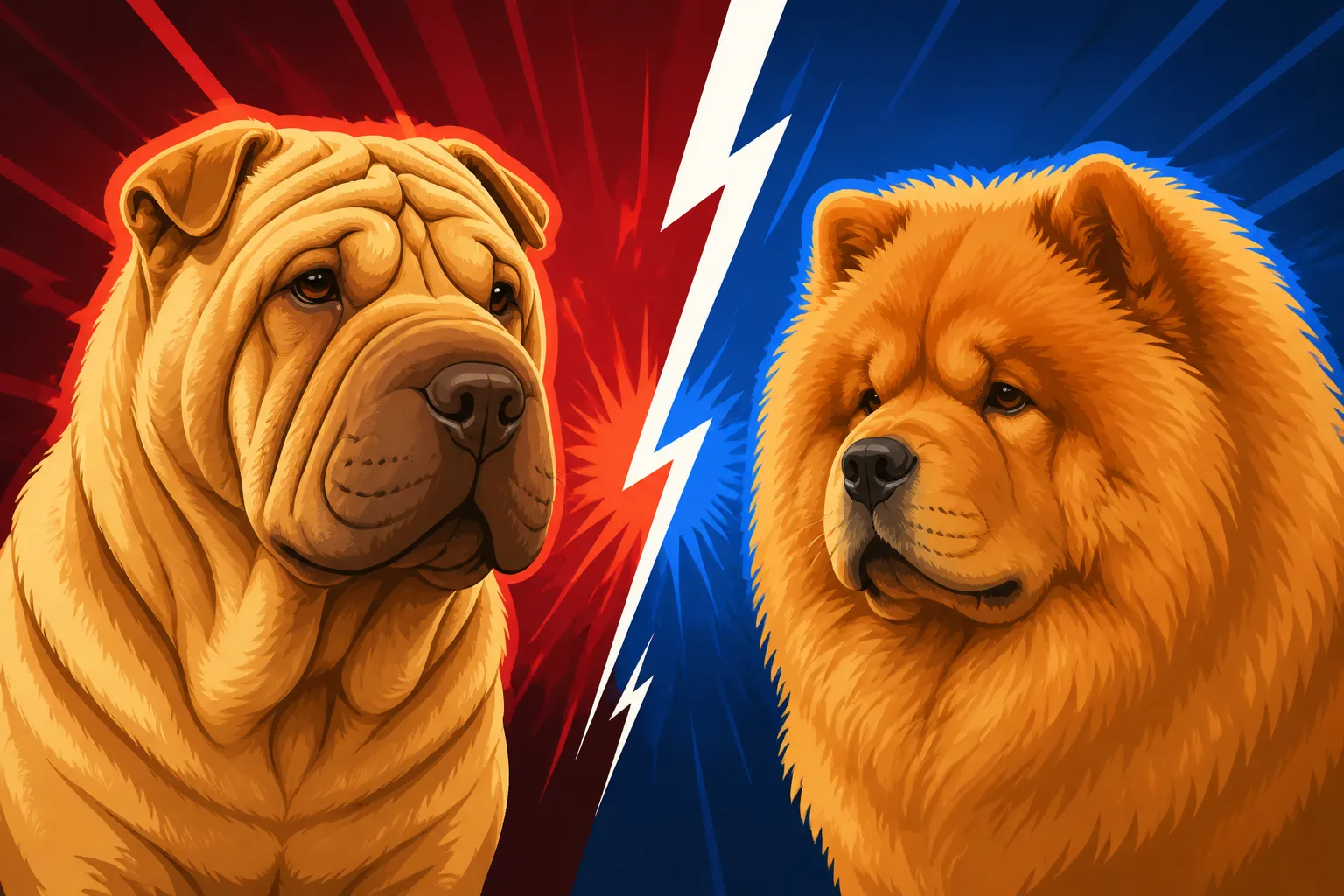
The Shar Pei is undeniably famous for its wrinkles – particularly as a puppy, when they might look like a walking rug. As they mature, many of these body wrinkles lessen, leaving them primarily on the head, neck, and shoulders, but some individuals retain more. Their skin is famously thick and loose, feeling almost like velvet or sandpaper, which is why their name, "Shar Pei," translates to "sand skin." This unique skin can come in two primary coat types: the "horse coat," which is very short and bristly, and the "brush coat," which is slightly longer and softer. There's also the much rarer "bear coat," which is longer and not recognized by breed standards, often mistaken for a Chow mix.
Beyond the wrinkles, a Shar Pei has a distinctive head: a broad, flat skull, small, triangular ears that lay flat, and a prominent "hippopotamus" muzzle that is well-padded. Their eyes are often small, dark, and deep-set, sometimes appearing almost hidden within the folds of their skin. This can severely limit their peripheral vision, which is a critical point when considering their temperament and how they perceive their surroundings. Their facial structure is unique and contributes to some of their breed-specific health challenges, which we'll explore shortly. The way these folds obscure their expressions can even make it hard to tell what they're thinking or feeling, as detailed in How a Shar Pei's Wrinkles Hide Its Expression.
The Chow Chow's Plush Double Coat and Sturdy Build
In stark contrast, the Chow Chow is renowned for its majestic, often lion-like mane of fur. They boast a wonderfully dense double coat that can be either rough (the most common and desired type) or smooth. The rough coat stands off the body, creating a magnificent ruff around the head and neck, and dense feathering on the legs and tail. This coat isn't just for show; it's a functional adaptation that provided insulation in the harsh climates of ancient China.
Beneath that impressive coat is a sturdy, compact, and square-bodied dog. Chows have a unique, almost straight hind leg angulation, which gives them a distinctive "stilted" gait – a somewhat choppy, purposeful walk that sets them apart from most other breeds. Their tail is high-set and carried curled tightly over their back, often covered in abundant hair. Everything about the Chow Chow speaks of substance, dignity, and power.
Differences in Facial Structure and Eyes
While both breeds have small, somewhat deep-set eyes, their overall facial structures are quite different and lead to different functional outcomes. The Shar Pei's padded, broad muzzle and heavy brow create a somewhat perpetually worried or quizzical expression, with those small, sometimes obstructed eyes struggling to see peripherally. This limited field of vision is a huge factor in why a Shar Pei might startle easily or react defensively if approached unexpectedly from the side or behind, a behavior explored further in Why a Shar Pei Startles: It Cannot See You Coming. Their wrinkles, while iconic, actively make their expressions harder to read for humans and other dogs, which can lead to communication misunderstandings, as discussed in Why a Shar Pei Is Hard to Read.
The Chow Chow, on the other hand, typically has a broad, flat skull and a powerful muzzle, but often with a "scowling" or "frowning" expression created by the folds around their eyes. Their eyes are almond-shaped and deeply set, contributing to their discerning and sometimes intimidating gaze. The Chow Chow's large, dense ruff around its head further emphasizes this lion-like appearance. While both have thick, often somewhat obscured faces, the Shar Pei's is defined by loose skin and wrinkles, while the Chow Chow's is characterized by sheer volume of fur and a more rigid, dignified structure.
Temperament and Personality: Guard Dogs with Divergent Styles
If you're looking for an effusive, tail-wagging greeter, neither the Shar Pei nor the Chow Chow will be your first choice. Both breeds were developed for guarding and independent work, and their temperaments reflect this deep-seated history. However, they express their guarding instincts and loyalty in uniquely different ways.
The Shar Pei's Independent and Loyal Nature
A Shar Pei is typically a one-person or one-family dog. They bond deeply and fiercely with their chosen human companions, often displaying a very protective and devoted loyalty. They are not dogs that will shower every stranger with affection. In fact, they are famously aloof and suspicious of outsiders, observing new people with a watchful, discerning eye. This intense loyalty, coupled with their guarding instinct, means they can be excellent watchdogs, quick to alert their family to anything out of the ordinary. However, this also means early and consistent socialization is absolutely critical to help them distinguish between a genuine threat and a friendly visitor.
Their independence is another hallmark. While intelligent, they are not always eager to please, and they can be quite strong-willed. This isn't stubbornness as much as it is a deep sense of self-reliance honed over centuries of working alone. They prefer to make their own decisions, which can be both charming and challenging. While they enjoy being close to their family, they aren't typically "cuddly" in a conventional sense; they prefer to be near you rather than on your lap, maintaining a sense of personal space. For more on their guarding instincts, refer to A Shar Pei Was Bred to Guard, Not to Greet.
The Chow Chow's Aloof Dignity
The Chow Chow embodies dignified aloofness. They are often described as cat-like in their independence, choosing when and if they wish to interact. While they are loyal to their family, their affection is rarely overt or demonstrative. Don't expect a joyous greeting every time you walk through the door or a dog that constantly solicits attention. Instead, a Chow Chow might offer a quiet presence, a watchful eye, and a deep, unspoken bond.
Like the Shar Pei, they are highly protective of their home and family. They make exceptional guard dogs, often using their imposing presence and a deep, resonant bark to deter intruders. They are naturally suspicious of strangers and will rarely seek out interaction with people outside their inner circle. Their independence can translate into a certain stubbornness, and they have a strong will that requires a confident, consistent owner. A Chow Chow isn't looking for a master; they're looking for a respected partner.
Training and Socialization Needs for Both Breeds
Given their strong guarding instincts and independent natures, both Shar Pei and Chow Chows absolutely require early, extensive, and positive socialization from a very young age. This isn't optional; it's fundamental to ensuring they grow into well-adjusted adults who can navigate the modern world without becoming overly fearful or aggressive.
For Shar Pei puppies, this means exposing them to a wide variety of sights, sounds, people, and calm, well-mannered dogs during their critical socialization window (typically up to 12-16 weeks). The goal is not to make them love everyone, but to teach them that most new experiences are not a threat. Training needs to be consistent, fair, and based on positive reinforcement. Harsh methods or punishment will only backfire, causing them to shut down or become defensive. Patience is paramount, as they can be quite particular about what they choose to learn.
Chow Chows also benefit immensely from early socialization to help them accept new situations and people without undue suspicion. Their independent streak means training sessions should be kept interesting, short, and focused, as they bore easily with repetition. Again, positive reinforcement is key. Because both breeds can have issues with dog-on-dog interactions, especially with same-sex dogs, supervised exposure to other dogs and careful management in public spaces is crucial throughout their lives. Neither breed is typically suited for dog parks or off-leash romps with unknown dogs. An experienced owner who understands their unique needs and is committed to ongoing training and management will find these dogs to be incredibly rewarding companions.
Health Considerations: Unique Challenges for Each Breed
Owning a Shar Pei or a Chow Chow means being prepared for potential breed-specific health challenges. Their distinctive physical traits, while captivating, also predispose them to certain conditions that prospective owners must be aware of. Understanding these can help you provide the best possible care and plan for future expenses.
Common Health Issues in Shar Pei
The Shar Pei’s unique physiology, particularly its abundant wrinkles and history of a very narrow genetic bottleneck during its rescue, contributes to several significant health concerns. One of the most serious is Shar Pei Fever (SPF), also known as Familial Shar Pei Fever. This is a hereditary inflammatory condition that causes recurring episodes of fever, lethargy, swollen hocks (ankles), and sometimes vomiting or diarrhea. While the fever itself is distressing, the major long-term risk associated with SPF is the development of Amyloidosis, a fatal disease where an abnormal protein (amyloid) deposits in organs, most commonly the kidneys, leading to organ failure. This is ultimately what Amyloidosis Is What Actually Kills a Shar Pei.
Another common issue is Entropion, where the eyelids roll inward, causing eyelashes to rub against the cornea. This can be incredibly painful, lead to corneal ulcers, and, if left untreated, even blindness. Puppies often require temporary "tacking" stitches, and some adults need permanent surgical correction. Their deep skin folds also make them prone to Skin Fold Dermatitis, where moisture and bacteria get trapped, leading to painful infections. Ear infections are also incredibly common due to their extremely narrow ear canals. Addressing these health issues requires diligent care and can lead to significant veterinary expenses. What Eye Tacking and Entropion Surgery Cost on a Shar Pei and Ear Infections Are a Subscription With a Shar Pei are important reads for potential owners.
Notable Health Concerns for Chow Chows
Chow Chows, while generally sturdy, also have their share of breed-specific health concerns. Hip and Elbow Dysplasia are common orthopedic issues, where the joints develop abnormally, leading to pain and arthritis. Responsible breeders should screen their breeding dogs for these conditions. Like Shar Peis, they can also suffer from Entropion, though it may manifest slightly differently due to their different facial structure and typically be less severe in puppies.
Other concerns include gastric torsion (bloat), a life-threatening condition where the stomach twists, and thyroid issues, such as hypothyroidism. Their dense coat can also mask skin problems, so regular grooming and skin checks are important. Eyelid issues and certain eye conditions can also occur. While their health profile is different from the Shar Pei, it still demands proactive care and a knowledgeable owner.
Preparing for the Future: Proactive Care
No matter which breed you choose, preparing for potential health challenges is a critical part of responsible pet ownership. For both Shar Peis and Chow Chows, this means seeking out reputable breeders who conduct health screenings on their breeding stock and are transparent about their dogs' health histories. For a Shar Pei, specifically, knowing about the familial fever history in the lineage is paramount.
Regular veterinary check-ups are essential, especially for Shar Peis, where early monitoring for kidney issues (like a urine protein-creatinine ratio) can potentially extend their lifespan if amyloidosis is detected. The Age a Shar Pei Should Start Kidney Monitoring is a good guideline. Maintaining a healthy weight through appropriate diet and exercise is crucial for managing orthopedic conditions in Chows and generally reducing stress on a Shar Pei's system. High-quality dog food and necessary supplements can often be found at places like Chewy, which offers a wide selection for various dietary needs, including sensitive stomachs or joint support. If your dog requires a specialized diet due to allergies or other health issues, Feeding a Shar Pei That Reacts to Its Food can offer guidance, and retailers like Chewy often carry prescription diets or limited-ingredient options recommended by veterinarians.
Living with Each Breed: What to Expect in Your Home
Deciding between a Shar Pei and a Chow Chow isn't just about appearance; it's about finding the right match for your lifestyle. Both breeds have distinct needs when it comes to exercise, grooming, and fitting into a family environment. Being prepared for these aspects of daily life is crucial for a harmonious relationship.
Exercise Requirements and Climate Tolerance
Neither the Shar Pei nor the Chow Chow are high-energy dogs that demand hours of intense exercise. They are generally content with moderate activity, such as a couple of daily walks. However, their physical builds and coat types mean they have significant limitations, especially regarding heat.
A Shar Pei typically needs about 30-60 minutes of exercise per day, broken into shorter sessions. Their potential for brachycephalic tendencies (though not as pronounced as a Bulldog or Pug) and general sensitivity to heat mean they can overheat easily. Walks should be avoided during the hottest parts of the day, and they need access to shade and fresh water. An indoor lifestyle with air conditioning is almost a necessity in warmer climates. For more detailed information on their activity levels, refer to How Much Exercise a Shar Pei Needs and What Temperature a Shar Pei Is Comfortable In.
The Chow Chow, with its incredibly dense double coat, is even more prone to overheating. Their energy levels are often lower than a Shar Pei's, requiring perhaps 20-40 minutes of gentle exercise daily. Prolonged exertion in warm weather is dangerous for them. They thrive in cooler climates and absolutely require a cool indoor environment during hot spells. Even on mild days, watch for signs of overheating like excessive panting. Neither breed is suited for strenuous activities like long-distance running or intense dog sports, especially in warmer conditions.
Grooming and Maintenance Commitments
Grooming is where these two breeds diverge significantly, and both demand a considerable commitment from their owners.
For the Shar Pei, the primary grooming concern revolves around their wrinkles and skin. Their skin folds need to be kept meticulously clean and dry to prevent infections. This means regular wiping with gentle, antiseptic wipes or solutions, particularly in deep facial or body folds, followed by thorough drying. Weekly brushing with a rubber curry comb can help remove loose hair, but the focus is really on skin health. Bathing frequency depends on the individual dog and its skin condition, but always requires careful attention to drying every single fold to prevent yeast or bacterial growth. Products like medicated wipes or specialized shampoos can be found at pet supply stores like Chewy, which often have a range of options for sensitive or allergy-prone skin. How Often a Shar Pei Needs Brushing and Which Shampoo Suits a Shar Pei's Skin provide good starting points for understanding their coat care.
The Chow Chow, with its magnificent coat, requires extensive brushing to prevent matting and to manage shedding. Rough-coated Chows need brushing several times a week, ideally daily, to keep their coats free of tangles and to distribute natural oils. During seasonal shedding, this can become an even more intensive task. Their dense undercoat can trap heat and moisture, so proper brushing also aids in skin health. Smooth-coated Chows require less frequent brushing but still shed. Professional grooming appointments every few months can be beneficial, especially for managing the dense undercoat and preventing mats. Like the Shar Pei, they need careful drying after baths to prevent skin issues. Investing in high-quality grooming tools, readily available on platforms like Chewy, will make these regular sessions more manageable.
Family Dynamics and Suitability
Both the Shar Pei and the Chow Chow are not ideal breeds for first-time dog owners or for families seeking a universally friendly, overtly affectionate companion. Their independent, often strong-willed temperaments require an owner who is knowledgeable, patient, consistent, and willing to put in the work for training and socialization.
A Shar Pei can be a devoted family member, often forming a deep bond with one or two primary caregivers. They can do well with older, respectful children who understand how to interact with a dog that values its space and has limited peripheral vision. Supervision with young children is always paramount. They can be wary of other dogs and may not thrive in a multi-dog household unless carefully integrated and managed. Their protective instincts make them excellent watchdogs but also necessitate careful management of visitors.
Chow Chows are generally less demonstrative, even with family. They are not typically inclined to participate in boisterous family play. They are best suited to calm, predictable households where their dignified independence is respected. They generally do better in homes without young children who might not understand their boundaries. Their strong guarding instincts and potential for dog-on-dog aggression mean they usually do best as the sole canine companion or with very careful introduction to a compatible partner. Their aloofness also means they require an owner who appreciates a more subtle, understated form of affection and loyalty.
Ultimately, choosing between these two noble breeds comes down to a deep understanding of their unique histories, physical needs, and temperaments. While they share some intriguing traits, they are truly distinct dogs, each requiring a dedicated owner who can appreciate and cater to their individual characteristics.
Comparison Table: Shar Pei vs. Chow Chow
To give you a quick overview of the key differences and similarities between these two fascinating breeds, here's a handy comparison table.
| Feature | Shar Pei | Chow Chow |
|---|---|---|
| Origin | Southern China (farm dog, hunter, guardian) | Northern China (temple guardian, hunter, draft, food) |
| Appearance | Wrinkled skin, "hippopotamus" muzzle, small eyes, horse/brush coat | Lion-like mane, dense double coat, deep-set eyes, stilted gait |
| Coat Texture | Short, bristly (horse coat) or slightly longer, softer (brush coat) | Dense, plush, rough or smooth |
| Tongue Color | Blue-black | Blue-black |
| Temperament | Loyal to family, aloof/suspicious of strangers, independent, watchful | Highly independent, aloof (even with family), dignified, protective |
| Exercise Needs | Moderate (30-60 min/day), prone to overheating | Low to moderate (20-40 min/day), highly prone to overheating |
| Grooming Needs | Regular fold cleaning, weekly brushing, meticulous drying after baths | Frequent brushing (daily recommended for rough coats), professional grooming often needed |
| Common Health | Shar Pei Fever, amyloidosis, entropion, skin fold dermatitis, ear infections | Hip/elbow dysplasia, entropion, bloat (gastric torsion), thyroid issues |
| Lifespan (Avg) | 8-12 years | 9-15 years |
| Suitability | Experienced owners, respectful older children, can be a single pet | Experienced owners, quiet households, often best as a single pet |
Disclaimer
This article is for general informational purposes only and does not constitute professional advice. Laws, prices and regulations vary by location and change over time. Consult a qualified professional for guidance on your specific situation.