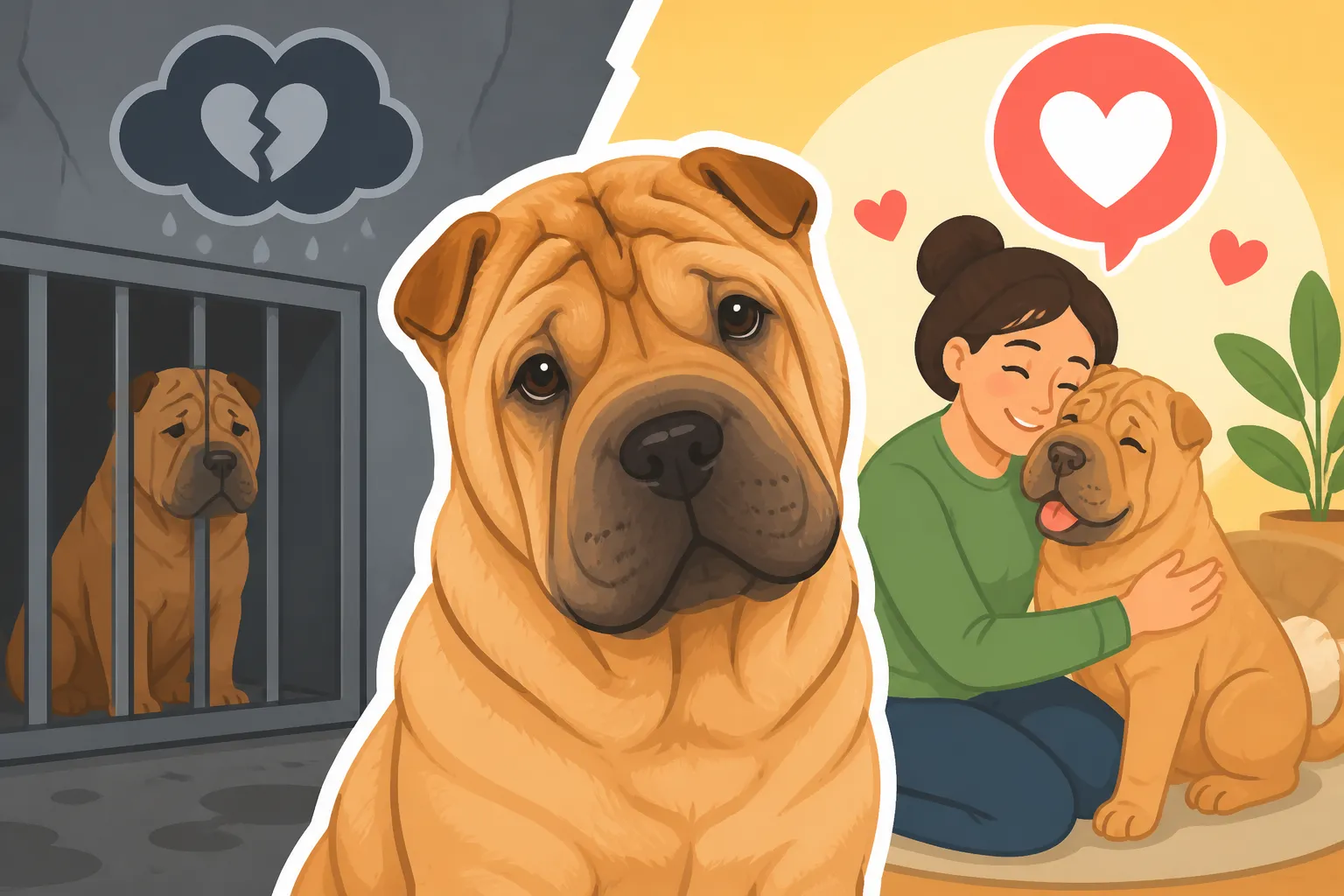
Why Shar Pei Fill Rescues and What Adopting One Involves
It's a heartbreaking reality: walk into many animal shelters or scroll through breed-specific rescue pages, and you'll often find a disproportionate number of Shar Pei looking for new homes. This isn't because they're inherently bad dogs, but rather a reflection of the unique challenges and often misunderstood needs of this ancient breed. This comprehensive guide will delve into the complex reasons why Shar Pei frequently end up in rescue organizations and walk you through every step and consideration involved in adopting one of these wonderfully unique, yet demanding, companions.
The Unique Challenges of Shar Pei Ownership
Bringing a Shar Pei into your life isn't like welcoming just any other dog. They are a breed steeped in history and distinct characteristics, which unfortunately often translate into specific health and behavioral needs that many prospective owners aren't fully prepared for. These challenges, while manageable for the right family, can quickly overwhelm those who aren't adequately informed or committed.
Health Issues: More Than Just a Wrinkly Face
While their distinctive wrinkles are undeniably charming, they are also intrinsically linked to a host of potential health problems that can become a significant burden. Many people fall in love with the look of a Shar Pei puppy without truly understanding the medical realities that often come with that adorable, loose skin. It's a sad truth that their unique aesthetic is often the very thing that contributes to their need for specialized care.
One of the most serious and common conditions is Familial Shar Pei Fever Is Not an Infection. This is a hereditary inflammatory disease unique to the breed, often manifesting as recurrent fevers, swollen hocks (ankles), and general malaise. While the fever itself is concerning, the real danger lies in a secondary condition called Amyloidosis, which is Amyloidosis Is What Actually Kills a Shar Pei. This occurs when an abnormal protein (amyloid) deposits in the organs, most commonly the kidneys, leading to organ failure. Owners might face frequent emergency vet visits and the ongoing management of a potentially life-limiting condition, which can be both emotionally and financially draining. The shock of discovering their beloved pet has a chronic illness they weren't expecting often leads owners to seek help from rescues.
Beyond systemic diseases, the Shar Pei's skin and structure present a constant battleground. Skin Is the Shar Pei's Largest Problem by Surface Area is not an exaggeration. Their deep skin folds, particularly around the face, neck, and tail, create warm, moist environments perfect for bacterial and yeast infections (skin fold dermatitis). These infections can cause intense itching, redness, odor, and pain, requiring vigilant daily cleaning, medicated wipes, and sometimes long courses of antibiotics or antifungals. Without consistent, diligent care, these skin issues can spiral, leading to chronic discomfort for the dog and frustration for the owner. Many owners simply aren't equipped for this level of maintenance, especially if they haven't experienced it with previous breeds.
Then there are the eyes and ears, equally vulnerable due to the breed's unique anatomy. Many Shar Pei puppies develop entropion, where the eyelids roll inward, causing eyelashes to rub against the cornea. This is not a cosmetic issue; it's painful and can lead to corneal ulcers, scarring, and even blindness if left untreated. Entropion in a Shar Pei Puppy Is an Emergency, Not a Cosmetic Issue, often requiring temporary "tacking" stitches in puppyhood and sometimes permanent surgery as an adult. Similarly, A Shar Pei Has the Narrowest Ear Canals of Any Breed, making them highly prone to recurrent ear infections. These narrow canals trap moisture and debris, fostering an ideal environment for bacteria and yeast to flourish. Chronic ear infections are not only uncomfortable but can be incredibly difficult and expensive to treat, sometimes requiring specialized veterinary care or even total ear canal ablation in severe cases.
Temperament & Training: Not for the Faint of Heart
Beyond the medical considerations, the Shar Pei possesses a distinctive temperament that, while endearing to those who understand it, can be a major hurdle for inexperienced or unprepared owners. They are often described as independent, intelligent, and fiercely loyal to their chosen family, but this loyalty rarely extends easily to strangers or other dogs without significant early socialization and ongoing training. Many people mistakenly believe a "calm" or "aloof" dog will be easy, but the Shar Pei's specific brand of independence requires a nuanced approach.
Their guarding instincts, deeply ingrained from their historical role, mean A Shar Pei Was Bred to Guard, Not to Greet. They are naturally suspicious of strangers and can be protective of their home and family. This isn't aggression for aggression's sake, but a strong innate desire to protect their territory and loved ones. However, in modern society, this trait can manifest as excessive barking, lunging, or even nipping if not managed with consistent training and early, positive exposure to new people and situations. Owners who want a dog that will happily greet everyone at the door or at the dog park will find themselves constantly battling their Shar Pei's natural inclinations, leading to stress for both dog and human.
Furthermore, Shar Pei can be particularly challenging when it comes to interactions with other dogs. While some are fine with canine companions, many exhibit dog-to-dog reactivity or aggression, especially with same-sex individuals or unneutered males. This isn't uncommon for many guardian breeds, but with the Shar Pei's often stiff body language and sometimes subtle warning signs (their wrinkles can mask facial expressions), misunderstandings with other dogs can escalate quickly. This means dog parks are often out, and carefully managed interactions are a must. Owners who envisioned their Shar Pei as a playmate for the neighborhood dogs or a constant companion to their existing canine crew can find this aspect particularly disappointing and difficult to manage.
Training a Shar Pei also requires patience, consistency, and a deep understanding of their independent nature. They are intelligent but can be incredibly headstrong. They won't blindly obey commands just to please you; they need to understand why a command is beneficial and be adequately motivated. Harsh training methods are not only ineffective but can damage the bond and exacerbate any protective or reactive tendencies. Many owners, accustomed to more eager-to-please breeds, become frustrated by the Shar Pei's "what's in it for me?" attitude. It's not that they can't be trained; it's that you have to be a smarter, more consistent trainer, willing to adapt your methods to suit their unique personality.
Common Reasons Shar Pei End Up in Rescues
The journey from a loving home to a rescue kennel is rarely simple. For Shar Pei, a confluence of breed-specific traits, financial realities, and unforeseen life changes often combine to make sustained ownership an overwhelming burden for many families. Understanding these common triggers can help prospective adopters better prepare for the realities of Shar Pei guardianship.
Unprepared Owners & Unexpected Costs
It's an unfortunate truth that many people acquire a Shar Pei without fully appreciating the significant financial commitment involved, especially when health issues arise. The initial purchase price of a puppy, even from a reputable breeder, is just the tip of the iceberg, and the ongoing veterinary expenses can quickly become astronomical. This often catches new owners completely off guard.
The sheer volume of potential health issues means that vet bills can pile up rapidly. A single episode of What One Shar Pei Fever Episode Costs can easily run into hundreds or even thousands of dollars if an emergency visit and supportive care are required. And these fevers aren't usually a one-time event; they can recur throughout the dog's life. Beyond the immediate crisis, the long-term management of conditions like Familial Shar Pei Fever often includes medication like Colchicine, which, while crucial for preventing amyloidosis, is an ongoing monthly expense. Owners might find themselves making difficult choices between their pet's health and their family's budget. It's not uncommon for families to exhaust their savings trying to keep their beloved Shar Pei healthy, only to eventually reach a point where they can no longer afford the necessary care, leading to surrender.
Then there's the ongoing cost of proactive and reactive care for their common skin and ear problems. Ear Infections Are a Subscription With a Shar Pei for many, requiring frequent veterinary consultations, specialized ear cleaners, and prescription ear drops. These treatments can be costly and need to be repeated regularly to prevent recurrence. Similarly, managing skin fold dermatitis often involves specialized shampoos, wipes, and sometimes oral medications to control bacterial or yeast overgrowth. These aren't one-time purchases; they become a permanent part of the monthly budget. Pet insurance can certainly help, but even with coverage, many policies have exclusions for pre-existing conditions, which can be a huge hurdle for a breed so predisposed to chronic issues. For example, Insuring a Shar Pei Against a Mutation It Was Bred For can be tricky if the signs of fever or skin issues emerge before a policy is in place. Companies like Healthy Paws offer various plans, but it's crucial to understand what's covered before relying on it for chronic Shar Pei issues.
Consider the cumulative effect of these expenses. A Shar Pei might need repeated eye tacking as a puppy, then possibly permanent entropion surgery. They'll need regular and often expensive ear cleanings and medications. They might develop food allergies, requiring a specialized diet from brands like Chewy or Ollie, adding to monthly food costs. On top of that, there's the critical need for The Cost of Watching a Shar Pei's Kidneys for Its Whole Life once they reach about two years of age, which involves regular urine protein-creatinine ratio (UPC) tests and bloodwork. This preventive monitoring is vital but adds another layer of ongoing expense that many first-time owners simply don't factor into their budget. When these costs become insurmountable, rescue becomes the last resort.
Lifestyle Mismatches & Behavioral Issues
Beyond the financial strain, a significant number of Shar Pei end up in rescues because their unique behavioral traits don't align with their owners' expectations or lifestyle. What was initially seen as an endearing quirk can quickly become a frustrating challenge if not properly understood and managed from the outset. Many owners simply aren't equipped for the intensity of a Shar Pei's personality.
The Shar Pei's natural guarding instincts and their often-aloof nature towards strangers are frequently misinterpreted. Owners might want a friendly, outgoing dog that loves everyone, only to find their Shar Pei is reserved, watchful, and sometimes reactive when pushed outside its comfort zone. An undersocialized Shar Pei, especially one that hasn't had positive exposure to a wide variety of people, places, and other dogs during its crucial puppyhood window (roughly up to 12-16 weeks), is highly likely to develop fear-based reactivity or aggression. Socialize a Shar Pei Before Twelve Weeks or Pay for It Later is a stark but true statement. When a dog repeatedly barks at guests, lunges at other dogs on walks, or becomes possessive of its space, owners often feel overwhelmed and embarrassed, leading them to seek help from rescues who specialize in behavioral rehabilitation.
Furthermore, the Shar Pei's independent and often stubborn streak can be a major point of contention. They are highly intelligent dogs, but they are not typically eager to please in the same way a Labrador or Golden Retriever might be. Training requires immense patience, consistency, and creative motivation. Owners who are used to easily trainable breeds or who lack the experience to handle a more headstrong dog often become frustrated when their Shar Pei appears to "ignore" commands or decides it simply doesn't want to perform. This can lead to a breakdown in communication and a perceived lack of control, which, especially with a powerful guarding breed, can be dangerous. When owners feel they can no longer control their dog, or if the dog exhibits persistent problematic behaviors despite their best efforts, surrendering to a rescue becomes a heartbreaking decision.
Finally, the breed's need for appropriate exercise and mental stimulation, combined with their sensitivity to heat, can create a lifestyle mismatch. While not as high-energy as some breeds, a bored Shar Pei can become destructive or vocal. However, their unique anatomy means they overheat easily, making long walks or strenuous play in warm weather risky. An Hour a Day Suits a Shar Pei, and Heat Cuts It Short, meaning owners in hotter climates or those with busy schedules might struggle to provide adequate, safe activity. If a family’s vision of dog ownership includes daily jogs, frequent trips to the dog park, or long afternoons playing fetch in the sun, a Shar Pei might not be the best fit. When the daily routine clashes consistently with the dog's needs, friction builds up, and sometimes the dog is the one who suffers the consequences.
Life Changes & Owner Circumstances
Even the most prepared and loving Shar Pei owners can find themselves in situations where keeping their beloved companion becomes impossible due to unforeseen life changes. These circumstances are often beyond the owner's control and can be incredibly painful, making rescue the only viable option to ensure the dog receives the care it needs.
One of the most frequent reasons for surrender across all breeds, including Shar Pei, is a change in living situation. A new landlord might suddenly enforce a strict no-pet policy, or a family might need to move to an apartment where a Shar Pei (especially one with barking tendencies or stranger reactivity) is not suitable. Housing instability is a sad reality for many, and when faced with homelessness or the inability to find appropriate housing that allows pets, owners are forced to choose between their dog and a roof over their heads. This is particularly tragic when a Shar Pei has been a cherished family member for years, and the owners are devastated to part with them.
Major family events can also trigger surrenders. The arrival of a new baby, for instance, can drastically alter household dynamics. A Shar Pei, with its protective instincts and sometimes guarded nature, may not adapt well to the sudden noise, unpredictability, and competition for attention that a newborn brings. While many Shar Pei can coexist wonderfully with children, especially if raised with them, a dog introduced to an infant later in life, particularly if it has not been well-socialized, can find the situation overwhelming. Similarly, divorce or the death of a spouse can fragment a household, making it impossible for one person to adequately care for a Shar Pei, especially if it requires specialized medical care or consistent training. The demands of a Shar Pei, coupled with personal grief or financial strain from a divorce, can push owners to their limits.
Finally, economic hardship or the owner's own health issues can lead to difficult decisions. Job loss or a significant decrease in income can make the already substantial costs of owning a Shar Pei (vet bills, specialized food, medications) utterly unsustainable. When a family can no longer afford to feed their dog, let alone provide necessary medical treatments for skin infections or fever episodes, they are faced with an impossible choice. Similarly, if an owner becomes ill, incapacitated, or passes away, there may be no family members willing or able to take on the responsibility of a Shar Pei, particularly one with known health or behavioral challenges. In these heartbreaking scenarios, rescues step in to provide a safety net for these vulnerable dogs.
The Role of Responsible Breeding (and the Lack Thereof)
To truly understand why so many Shar Pei end up in rescue, we must look at the breed's tumultuous history and the impact of breeding practices. The journey of the Shar Pei from near extinction to global popularity is a fascinating, yet cautionary, tale that directly influences the health and temperament of the dogs we see today.
The Legacy of the Breed Boom
The Shar Pei as we know it today was literally saved from the brink of extinction. In the 1970s, the breed was nearly gone from China, with estimates suggesting only a handful of individuals remained. An appeal from Matgo Law to a magazine caught the attention of Western breeders, leading to a dramatic influx of Shar Pei into the United States. Guinness Once Called the Shar Pei the Rarest Dog on Earth, highlighting the incredible comeback. However, this rapid surge in popularity, driven largely by their unique appearance, led to what is often termed a "breed boom."
This boom, while ensuring the breed's survival, unfortunately came with significant consequences for its health and temperament. The demand for Shar Pei puppies far outstripped the supply of healthy, well-bred dogs. This created a lucrative market for "volume breeders" and "backyard breeders" who prioritized profit over health and genetic integrity. These unscrupulous breeders often bred any two Shar Pei they could get their hands on, without regard for genetic health testing, temperament, or the prevalence of hereditary diseases. The result was a proliferation of Shar Pei with exaggerated features – more wrinkles, thicker "meat mouths" – which were perceived as desirable, but often exacerbated existing health predispositions. For example, excessive wrinkles are linked to the genetic mutation that causes Familial Shar Pei Fever.
Many of the puppies produced during this period, and sadly, still today from irresponsible breeders, were sold to unsuspecting families without any health guarantees or disclosures about the breed's known issues. Owners would bring home an adorable, wrinkly puppy, only to be hit with devastating diagnoses of FSF, severe entropion, chronic skin infections, or significant behavioral challenges as the dog matured. These dogs often lacked proper early socialization, being raised in kennels rather than family homes, further compounding potential behavioral problems like fear or reactivity. This legacy of the breed boom means that many Shar Pei in rescues today are the descendants of poorly bred lines, carrying a heavy burden of genetic predispositions and lacking crucial early developmental experiences.
What a Reputable Breeder Does Differently
In stark contrast to the practices that fueled the breed boom, responsible Shar Pei breeders operate with an ethical commitment to the long-term health and preservation of the breed. Their goal isn't just to produce puppies, but to produce healthy, well-tempered dogs that will be lifelong companions for their families. This often involves significant effort, expense, and a dedication that goes far beyond simply selling a puppy.
A hallmark of a reputable breeder is comprehensive health testing. They understand the genetic predispositions of the Shar Pei and actively work to minimize them. This means performing genetic screening for issues like Familial Shar Pei Fever and ensuring both parent dogs have clear health clearances for hips, elbows, eyes (including specialist ophthalmologist exams), and thyroid function. They will be transparent about the health history of their breeding lines, including any instances of FSF, amyloidosis, or severe entropion. They don't just breed for looks; they breed for robust health and sound temperament, aiming to produce Shar Pei that are less likely to end up in rescue due to preventable genetic issues.
Beyond health, responsible breeders prioritize temperament and early socialization. They raise their puppies in a home environment, exposing them to a variety of sights, sounds, people, and gentle handling from a very young age. This crucial early socialization lays the groundwork for a confident, well-adjusted adult dog, reducing the likelihood of fear-based aggression or extreme aloofness. They will also match puppies to appropriate homes based on temperament, ensuring a good fit between the dog's personality and the prospective owner's lifestyle. A reputable breeder will interview potential buyers extensively, educating them about the breed's unique needs, challenges, and lifelong commitment required.
Crucially, reputable breeders often include a "take-back" clause in their contracts. This means that if for any reason an owner can no longer keep their Shar Pei, the breeder will take the dog back, no questions asked. This commitment ensures that their dogs never end up in shelters or rescues, demonstrating a lifelong responsibility for every puppy they bring into the world. They view themselves as stewards of the breed, not just sellers of puppies, and their dedication is a critical component in preventing Shar Pei from becoming another statistic in the rescue system.
What Adopting a Shar Pei Involves: The Rescue Process
Deciding to adopt a Shar Pei from a rescue is a truly noble act, offering a second chance to a dog that desperately needs it. However, the adoption process itself is often more involved than simply picking out a puppy from a litter. Rescue organizations are dedicated to finding the perfect match for their dogs, ensuring that both the dog and the adopter are set up for success.
Finding the Right Rescue
The first step in adopting a Shar Pei is identifying reputable rescue organizations that specialize in the breed or have experience with its specific needs. While general shelters might occasionally have a Shar Pei, breed-specific rescues are often a better starting point because they have a deeper understanding of the breed's unique health, temperament, and training requirements.
Begin by searching online for "Shar Pei rescue" in your region or country. Many breed clubs also maintain lists of affiliated rescue groups. These organizations are typically run by passionate volunteers who have extensive experience with Shar Pei, often owning them themselves. They understand the nuances of the breed's health issues, such as What SPAID Means for a Shar Pei and the implications of Familial Shar Pei Fever, and can provide invaluable guidance. Networking within Shar Pei communities, both online and offline, can also lead you to reputable groups. Many rescues operate across state lines, utilizing transport networks to place dogs in suitable homes, so don't limit your search to just your immediate vicinity.
Once you've found a few potential rescues, take the time to research them thoroughly. Look for organizations that are transparent about their adoption process, their medical protocols for the dogs in their care, and their ongoing support for adopters. A good rescue will have a clear mission, a well-organized website, and will be responsive to inquiries. They should be able to tell you about their foster network, as many Shar Pei rescues rely on foster homes rather than a central facility, which provides a much better environment for the dogs to decompress and for their true personalities to emerge. Engaging with a rescue that truly understands the breed's challenges, and not just its aesthetics, is paramount to a successful adoption.
The Application and Screening Process
Be prepared for a thorough and sometimes lengthy application and screening process when adopting from a Shar Pei rescue. This isn't meant to be intrusive or judgmental; it's designed to ensure the best possible match for both you and the dog, minimizing the chance of the dog being returned to rescue. Remember, these organizations have often invested significant resources – both financial and emotional – into rehabilitating these dogs, and they want to ensure their next home is truly forever.
The process typically starts with a detailed adoption application. This questionnaire will delve into various aspects of your life, including your living situation (house, apartment, yard size), your experience with dogs (especially strong-willed or guardian breeds), your work schedule, your family composition (children, other pets), and your approach to training and exercise. It will also ask about your understanding of the Shar Pei breed's specific needs, like their potential for health issues or their guarded temperament. This isn't the time to gloss over details; honesty is always the best policy. Be upfront about your experience, or lack thereof, and your willingness to learn and adapt.
Following the application, you can expect reference checks, including contacting your veterinarian if you've owned pets before. This helps the rescue verify that you're a responsible pet owner who provides routine and emergency medical care. Many rescues also conduct a home visit, either in person or virtually. This allows them to assess the safety and suitability of your home environment for a Shar Pei, looking for things like secure fencing, potential hazards, and how the dog would integrate into your living space. This is also an opportunity for you to ask questions, meet a volunteer, and gain valuable insights. Finally, you'll likely have one or more interviews with rescue volunteers, where they will discuss specific dogs available for adoption, their personalities, known histories, and any special needs. This back-and-forth communication is essential for finding a Shar Pei whose needs and temperament align with your family's capabilities and lifestyle.
Preparing Your Home for a Rescue Shar Pei
Bringing any rescue dog home is a period of adjustment, but with a Shar Pei, a breed often coming with a history of neglect, misunderstanding, or medical issues, the preparation and initial weeks are especially critical. A thoughtful and patient approach will lay the foundation for a successful and loving relationship.
Health Considerations Post-Adoption
Even if a rescue Shar Pei appears healthy, a comprehensive veterinary check-up immediately after adoption is non-negotiable. Rescue organizations do their best, but a new environment and fresh eyes can sometimes reveal underlying issues, or confirm existing ones. This initial vet visit is not just about catching problems, but also about establishing a baseline for your dog's health.
Your veterinarian, ideally one familiar with the Shar Pei breed, will conduct a thorough physical examination, check for any lingering skin or ear infections (which are common and can flare up with stress), and ensure vaccinations are up-to-date. They'll also recommend deworming and a fecal test. It’s important to discuss any known medical history provided by the rescue, especially if the dog has a history of Familial Shar Pei Fever Is Not an Infection or has been on medication like Colchicine. You'll want to understand Whether a Shar Pei on Colchicine Still Fevers and how to manage those episodes if they occur. This initial conversation is crucial for developing a proactive health management plan.
For many rescue Shar Pei, addressing existing health issues will be a priority. Be prepared to manage chronic conditions such as skin allergies, recurrent ear infections (How Often a Shar Pei Gets an Ear Infection), or even potential entropion that may have been temporarily tacked but still requires permanent surgical correction. Your vet might suggest specific medicated shampoos or ear cleaners, and a diet change if food sensitivities are suspected (brands like Chewy and Ollie often carry specialized limited-ingredient or hydrolyzed protein diets that can be helpful). It’s also vital to begin regular monitoring for kidney health, especially if the dog is over two years old, due to the risk of amyloidosis. This typically involves routine urine protein-creatinine ratio (UPC) tests, as Which Test Catches a Shar Pei's Kidney Damage Early. Being proactive about these health concerns from day one can prevent larger, more expensive problems down the line and ensure your Shar Pei lives the healthiest life possible.
Behavioral Adjustments & Training
The transition into a new home can be incredibly stressful for a rescue Shar Pei, regardless of their past. They need time to decompress, learn the new routine, and feel safe and secure. This initial period is vital for building trust and understanding.
Implement a "decompression period" for your new Shar Pei. This means providing a quiet, safe space (a crate, a room, or a comfortable bed in a low-traffic area) where they can retreat and feel secure. Keep interactions calm and predictable, allowing the dog to approach you on their terms. Avoid overwhelming them with too many new people, places, or experiences in the first few weeks. Focus on establishing a consistent routine for feeding, potty breaks, and short, calm walks. Many rescue Shar Pei may not have had consistent training or socialization, so patience is key. Observing their behavior during this time will give you valuable clues about their personality, any anxieties they may have, and potential triggers.
Once they've settled in, typically after a few weeks, you can begin to gently introduce positive reinforcement training. Shar Pei respond best to reward-based methods, using high-value treats and praise. Focus on basic obedience commands like sit, stay, come, and leash manners. Given their potential for dog-to-dog reactivity, practice polite leash walking in controlled environments away from other dogs initially. If the dog exhibits significant behavioral challenges, such as severe anxiety, aggression, or resource guarding, don't hesitate to seek professional help from a certified dog trainer or a veterinary behaviorist. These experts can provide tailored strategies and support to address specific issues, helping you and your Shar Pei build a stronger, more harmonious relationship. Remember, consistency and positive experiences are the cornerstones of successful behavioral adjustment for a rescue Shar Pei.
The Long-Term Commitment of a Rescue Shar Pei
Adopting a Shar Pei is not a short-term project; it's a profound, lifelong commitment that requires ongoing dedication to their unique health and behavioral needs. Understanding this long-term perspective is crucial for any potential adopter.
Ongoing Health Management
A Shar Pei, whether adopted as a puppy or an adult, will likely require a proactive and attentive approach to its health for its entire life. Their breed-specific predispositions mean that "set it and forget it" healthcare simply isn't an option.
Regular veterinary check-ups are paramount, often more frequent than with other breeds, especially as they age. For example, Caring for a Shar Pei Past Seven means heightened vigilance for age-related changes and monitoring for the progression of conditions like amyloidosis. Your vet might recommend twice-yearly visits for senior Shar Pei, including routine bloodwork and urine tests to catch any signs of kidney decline early. It's a journey of constant monitoring, especially regarding their kidneys; remember Why a Shar Pei's Kidneys Need Watching From Two Years Old. This consistent attention is crucial for early detection and intervention, which can significantly improve their quality of life and potentially extend their lifespan.
Dietary considerations are another ongoing aspect of Shar Pei health management. Many Shar Pei suffer from allergies or sensitivities, often manifesting as skin issues or digestive upset. You might need to experiment with different protein sources or limited ingredient diets, and brands like Ollie can be particularly helpful here, offering customized meal plans that cater to specific sensitivities. Understanding How Much an Adult Shar Pei Eats will also help you manage their weight, as obesity can exacerbate skin fold issues and put extra strain on their joints. Furthermore, meticulous daily care for their skin and ears is a permanent fixture of Shar Pei ownership. This includes regularly cleaning their folds with appropriate antiseptic wipes, thoroughly drying them after baths or rain, and consistent ear cleaning with vet-approved solutions. This diligent, proactive care can often prevent the severe infections that can be so painful and costly.
Continued Socialization & Enrichment
A Shar Pei’s unique temperament means that their socialization and mental stimulation cannot be a one-and-done event in puppyhood. It's an ongoing process throughout their lives to ensure they remain well-adjusted, confident, and happy members of your family.
Even an adult Shar Pei who has settled into a new home benefits from continued, controlled exposure to new experiences. This doesn't necessarily mean dog parks (which are often unsuitable for the breed due to their dog-to-dog reactivity), but rather carefully managed encounters. Think about calm, leashed walks in different environments, short trips to pet-friendly stores during off-peak hours, or quiet visits with trusted friends who understand how to appropriately interact with a Shar Pei. The goal is to maintain their comfort with the world around them without pushing them past their threshold. This sustained, positive exposure helps reinforce their confidence and prevents them from reverting to overly guarded or fearful behaviors.
Mental enrichment is equally important for these intelligent dogs. Shar Pei thrive on routine and clear expectations, but they also need outlets for their minds. Puzzle toys, scent work games (hiding treats for them to find), and regular training sessions (even just 10-15 minutes a day) can keep them engaged and prevent boredom, which can lead to destructive behaviors. Providing a consistent routine and a stable environment helps them feel secure and reduces anxiety, allowing their naturally loyal and affectionate side to shine through. While they may be independent, a mentally stimulated Shar Pei is a happier, more settled Shar Pei, further solidifying the bond you share.
The Unspoken Rewards of Adopting a Shar Pei
Despite the challenges, adopting a Shar Pei from a rescue is an incredibly rewarding experience. These dogs, often misunderstood and sometimes carrying the weight of past neglect, offer a unique depth of companionship that can profoundly enrich the lives of their dedicated owners.
A Unique Bond and Profound Loyalty
There's something truly special about the bond you forge with a rescue Shar Pei. Perhaps it's the sense of trust they learn to place in you after potentially difficult pasts, or perhaps it's simply their inherent nature, but Shar Pei develop an intense, unwavering loyalty to their chosen family. They may not be overtly demonstrative with strangers, but within the confines of their home and with their trusted people, they are deeply affectionate and devoted companions.
This loyalty isn't flashy; it's a quiet, steadfast presence. They will be your shadow, always aware of your whereabouts, offering a comforting presence when you need it most. Many owners describe a Shar Pei's affection as profound and deeply personal, as if you've been deemed worthy of their love, a privilege earned rather than freely given. This makes the bond all the more meaningful. When you overcome their initial wariness, manage their health needs, and understand their unique quirks, they reciprocate with a fierce devotion that can be truly humbling. It's a relationship built on mutual respect and understanding, and once that foundation is laid, it's a bond unlike any other.
Saving a Life and Making a Difference
Ultimately, adopting a Shar Pei from a rescue isn't just about finding a pet; it's about saving a life and making a tangible difference in the world, one wrinkly face at a time. These dogs often come with stories of neglect, misunderstanding, or simply being victims of circumstances beyond their control. By opening your home and heart to a rescue Shar Pei, you are giving them a second chance at a life filled with love, comfort, and appropriate care.
The satisfaction that comes from seeing a rescue Shar Pei decompress, gain confidence, and finally blossom into their true selves under your care is immense. You'll witness their transformation from a wary, anxious dog into a cherished family member. Knowing that you've provided a safe haven, addressed their medical needs, and understood their unique personality is a reward in itself. Every Shar Pei adopted from a rescue frees up space for another dog in need, helping to break the cycle of abandonment and euthanasia. It's a commitment that requires patience, resources, and understanding, but the love and unique companionship you receive in return are immeasurable.
Disclaimer
This article is for general informational purposes only and does not constitute professional advice. Laws, prices and regulations vary by location and change over time. Consult a qualified professional for guidance on your specific situation.


