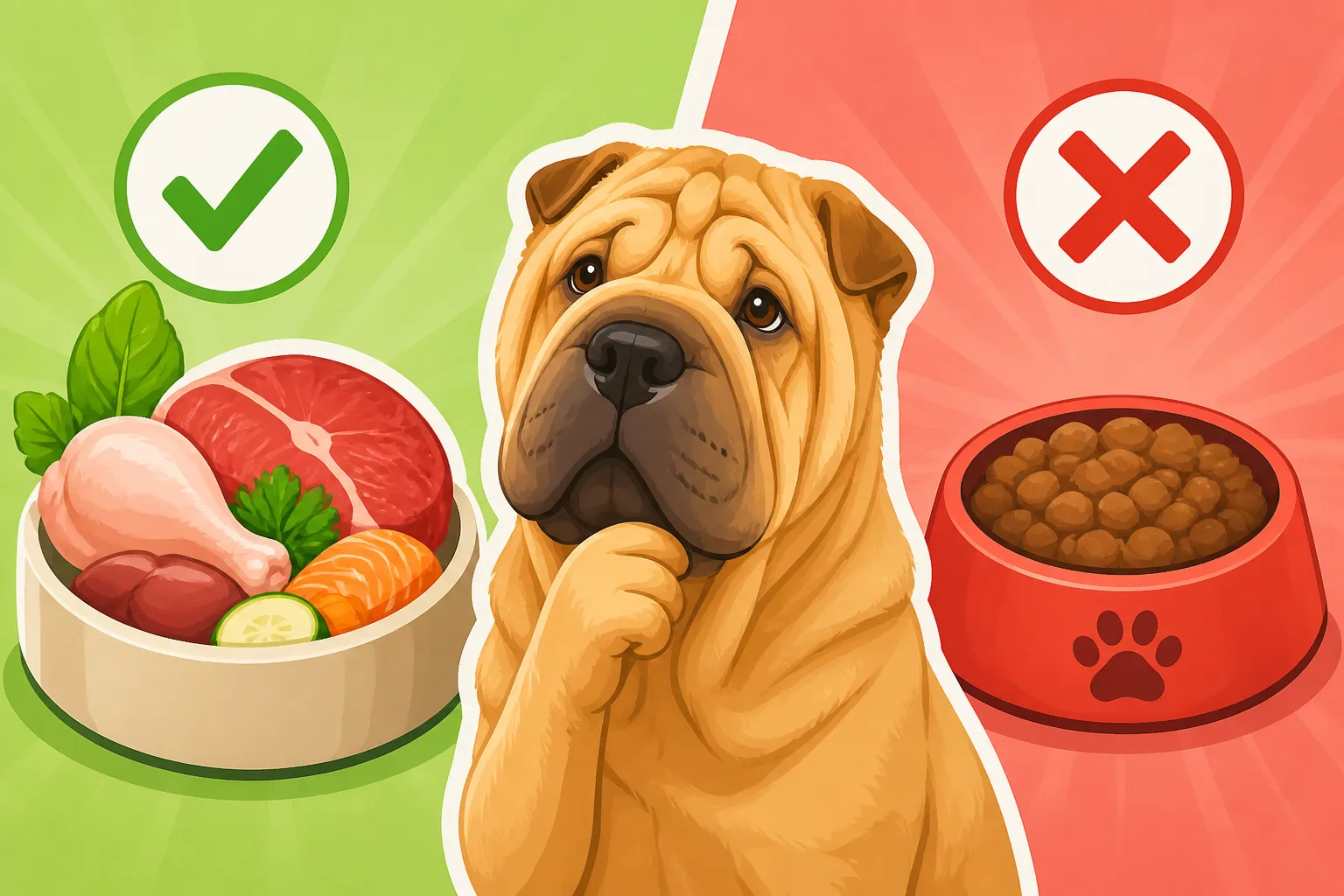
Whether Raw Feeding Suits a Shar Pei
The question of whether to feed your beloved Shar Pei a raw diet is one that sparks passionate debate among dog owners and often leaves you feeling overwhelmed and unsure. It’s a topic steeped in strong opinions, anecdotal success stories, and equally strong warnings, making it incredibly difficult for dedicated Shar Pei parents to figure out what’s truly best for their unique companions. This guide aims to cut through the noise, offering a balanced look at raw feeding specifically for Shar Pei, considering their distinctive health profile and helping you make an informed decision with confidence.
Understanding the Philosophy Behind Raw Feeding for Dogs
Raw feeding, often referred to as a Biologically Appropriate Raw Food (BARF) diet or Prey Model Raw (PMR), isn't just a trend; it's a deeply held philosophy for many. At its core, it's about mimicking what a dog's wild ancestors would have eaten. This means providing uncooked meat, organs, bones, and sometimes certain fruits and vegetables, all free from processing, grains, and artificial additives. People gravitate towards this approach for a variety of reasons, often hoping to address chronic health issues they haven't been able to resolve with traditional kibble.
The belief is that because dogs evolved from wolves, their digestive systems are inherently designed for a raw diet. Advocates claim a host of benefits, from a shinier, healthier coat and cleaner teeth to improved digestion, higher energy levels, and smaller, less odorous stools. For owners who have struggled with persistent problems like itchy skin, dull coats, or chronic gastrointestinal upset, the promise of a "species-appropriate" diet can be incredibly appealing. It taps into a desire to provide the most natural, wholesome food possible, aligning with a more holistic approach to pet care. This strong community often shares experiences and recipes, further fueling the interest and commitment to raw feeding.
The 'Ancestral Diet' Argument
The central pillar of the raw feeding philosophy is the "ancestral diet" argument. It posits that since domestic dogs share a common ancestor with wolves, their physiology is still best suited to consume the kinds of foods wolves eat in the wild. This means a diet primarily of raw meat, bones, and organs from prey animals, with minimal, if any, cooked ingredients or processed carbohydrates. The argument suggests that a dog's digestive system, despite thousands of years of domestication alongside humans, remains largely unchanged and is therefore not optimally equipped to process the grains, starches, and cooked proteins found in most commercial kibble.
However, modern science introduces a fascinating counterpoint to this. While dogs are undeniably carnivores, research into canine genetics and evolution has revealed that domestic dogs have indeed adapted to digest starches and carbohydrates more efficiently than wolves. This adaptation likely occurred as dogs began scavenging alongside early human settlements, accessing foods that their wild counterparts wouldn't. So, while the ancestral argument makes intuitive sense on the surface, the biological reality for domesticated dogs is a bit more nuanced. For a Shar Pei owner, understanding this debate is crucial, as it impacts how you view your dog's specific nutritional needs and whether a purely ancestral diet truly aligns with their evolved digestive capabilities.
Specific Considerations for Shar Pei and Raw Diets
When considering any dietary change for your Shar Pei, it's absolutely vital to think about the breed's unique health blueprint. Shar Pei aren't just any dog; they come with a distinct set of predispositions that can make dietary decisions feel like navigating a minefield. Many Shar Pei suffer from various allergies, whether environmental or food-related, and digestive sensitivities are not uncommon. Their immune systems can also have quirks, with some individuals exhibiting conditions like What IgA Deficiency Means for a Shar Pei, which can impact how they process food and fight off infections. Furthermore, their infamous genetic predisposition to conditions like Familial Shar Pei Fever and subsequent amyloidosis means that Why a Shar Pei's Kidneys Need Watching From Two Years Old is a constant concern for responsible owners.
Given these specific challenges, a raw diet could theoretically be either a game-changer or a significant risk factor. The proponents hope it might bypass common allergens found in processed foods or offer a more easily digestible form of nutrition. Conversely, the potential for bacterial contamination, nutritional imbalances, or simply not agreeing with the dog's particular digestive system could exacerbate existing problems or introduce new ones. It’s not just about choosing "raw" or "kibble"; it’s about choosing a diet that supports the delicate balance of your individual Shar Pei's health.
Potential Benefits for Shar Pei Skin and Gut Health
For many Shar Pei owners, the struggle with skin issues is a daily reality. From chronic itching and flaky patches to recurring infections in their beloved folds, conditions like Skin Fold Dermatitis on a Shar Pei are incredibly frustrating. These skin woes are often intertwined with underlying sensitivities, and for a significant number of Shar Pei, these manifest as Food Allergies in a Shar Pei. Owners report that their dogs react poorly to common protein sources like chicken or beef, or to grains and fillers often found in commercial kibbles.
This is where many turn to raw feeding, hoping for a reset. The theory is that by feeding whole, unprocessed ingredients, free from common additives, preservatives, and potential allergens, they might alleviate some of these chronic issues. A raw diet often features novel proteins like duck, rabbit, or venison, which can be beneficial if your Shar Pei has developed sensitivities to more common meats. Anecdotal evidence from numerous Shar Pei owners suggests improvements in coat shine, a reduction in itching, and fewer skin flare-ups when switching to a carefully managed raw diet. Beyond skin, many also report improvements in gut health, noting that their Shar Pei experiences less gas, bloating, and produces smaller, firmer, and less odorous stools, indicating better digestion and nutrient absorption. While these are often subjective observations rather than scientific proofs, for an owner desperate for relief for their furry companion, these reported changes can feel like a miracle.
Risks and Concerns for Shar Pei Owners
While the potential benefits of raw feeding can sound enticing, it's crucial to approach this decision with a clear understanding of the risks, especially when it comes to a breed as unique as the Shar Pei. The last thing any of us want to do is inadvertently cause harm while trying to do good.
One of the primary concerns is bacterial contamination. Raw meat, by its very nature, can harbor bacteria like Salmonella, E. coli, and Listeria. While dogs' digestive systems are generally more robust than ours, and their stomach acid is stronger, they can still become ill. More critically, these bacteria pose a risk to human family members through cross-contamination, especially if you have children, elderly individuals, or anyone with a compromised immune system in the household. For a Shar Pei that might already have an immune system operating with an IgA deficiency – a condition where the body produces insufficient antibodies to fight off mucosal infections – the risk of bacterial challenge could be even more significant. What IgA Deficiency Means for a Shar Pei means their natural defenses might not be as robust as other breeds.
Then there's the critical issue of nutritional imbalance. Crafting a truly balanced homemade raw diet is incredibly complex. It's not just about feeding meat; it requires precise ratios of muscle meat, organs (like liver and kidney), and raw bone, along with careful consideration of essential vitamins and minerals. Getting the calcium-phosphorus ratio wrong, for example, can lead to severe skeletal problems, particularly in growing puppies, or exacerbate kidney issues in older dogs. Given that Shar Pei are prone to kidney issues, monitoring kidney health is paramount, and an unbalanced diet could put unnecessary strain on these vital organs. Why a Shar Pei's Kidneys Need Watching From Two Years Old becomes an even more important directive if you're venturing into homemade raw. Without expert guidance, it's easy to create deficiencies or excesses that could have long-term health consequences.
Finally, consider bone hazards. While raw, appropriately sized bones are often included in raw diets for dental health and nutrition, improper selection can be dangerous. Bones that are too hard, too small, or cooked (which makes them brittle and prone to splintering) can lead to choking, broken teeth, or severe internal injuries, including obstructions or perforations of the digestive tract. The financial implications are also worth noting; raw feeding, especially with high-quality, ethically sourced ingredients or reputable commercial brands, can be significantly more expensive than even premium kibble. This means What Feeding a Shar Pei Costs Monthly could see a substantial increase, and you need to ensure it's a sustainable choice for your budget.
Practicalities of Raw Feeding for Your Shar Pei
Deciding whether raw feeding suits your Shar Pei isn't just about theory; it's about the day-to-day realities of preparing, storing, and feeding this type of diet. It involves a commitment to hygiene, careful planning, and often, more time and effort than simply scooping kibble into a bowl. Whether you opt for commercially prepared raw foods or venture into making your own, understanding the practical steps is key to ensuring your Shar Pei stays healthy and safe.
This isn't a diet you can implement casually. You'll need adequate freezer space, a dedicated area for meal prep that can be thoroughly sanitized, and a strict adherence to food safety protocols. It also means thinking about how you travel with your Shar Pei and their food, and how to manage feeding times to prevent other pets or children from accessing raw ingredients.
Commercial Raw Options and Sourcing
For many Shar Pei owners interested in raw feeding but daunted by the complexities of balancing homemade diets, commercial raw food options offer a convenient and often safer alternative. These products are typically formulated to be nutritionally complete and balanced, adhering to established guidelines, and often undergo processes like high-pressure pasteurization (HPP) to mitigate bacterial risks.
You'll find various forms of commercial raw food: frozen patties, nuggets, or crumbles, as well as freeze-dried options that are shelf-stable and rehydrated with water. Reputable brands will clearly state their ingredients and nutritional analysis, often indicating if they meet AAFCO (Association of American Feed Control Officials) standards for "complete and balanced" nutrition for specific life stages. When looking for these, you might browse pet food sections on large online retailers like Chewy or Amazon, although these are distributors, not the manufacturers themselves. It's important to research the specific raw food brands they carry and delve into their sourcing, safety protocols, and nutritional claims.
When transitioning your Shar Pei to a raw diet, whether commercial or homemade, a slow and gradual approach is always recommended. Rushing the process can lead to digestive upset, which is the last thing you want for a breed already prone to sensitivities. Start by introducing small amounts mixed with their current food, gradually increasing the raw portion over several days or even weeks, closely monitoring your Shar Pei for any adverse reactions. This careful approach helps their digestive system adapt to the new food structure and bacterial flora.
Homemade Raw and the Importance of Veterinary Guidance
If you're considering a homemade raw diet for your Shar Pei, I cannot stress this enough: do not do it without professional veterinary guidance. The idea of controlling every ingredient and tailoring the diet perfectly to your dog sounds wonderful on paper, but the reality of achieving complete nutritional balance is incredibly difficult for the average owner. This isn't just about giving your Shar Pei a chicken leg and some organs; it's a science. Improperly balanced homemade diets are a significant concern, leading to deficiencies or excesses of vital nutrients over time that can have serious health consequences, particularly for a breed with specific needs like the Shar Pei.
Working with a board-certified veterinary nutritionist is absolutely crucial. These specialists have advanced training in animal nutrition and can formulate a diet specific to your Shar Pei's age, weight, activity level, and any existing health conditions, such as kidney concerns or allergies. They can help you identify appropriate protein sources, guide you on the correct ratios of meat, organ, and bone, and advise on any necessary supplements to ensure your dog is getting everything they need. Without this expert oversight, you risk creating a diet that, while well-intentioned, could ultimately harm your dog.
It's also important to remember that even with a balanced homemade diet, you'll need to maintain meticulous records of your Shar Pei's health, energy levels, stool quality, and any changes to their skin or general well-being. This is similar to why What a Shar Pei Owner Should Keep a Fever Log is so important for tracking FSF episodes – detailed logs help you and your vet spot patterns and respond to needs quickly. Regular veterinary check-ups, including blood work and urine tests, become even more important to monitor for any subtle nutritional imbalances or impacts on organ function.
Making an Informed Decision for Your Shar Pei
Choosing the right diet for your Shar Pei is a big decision, and it's one that should be made with careful consideration, not emotion or trends. There are passionate arguments on both sides of the raw feeding debate, and ultimately, the "best" diet is the one that keeps your individual Shar Pei healthy, happy, and thriving. It's a balance of potential benefits, inherent risks, practicality, and your own comfort level as an owner. There's no one-size-fits-all answer, especially for a breed with such a distinct health profile.
The most important principle to uphold is "do no harm." If you're unsure, or if the thought of handling raw meat and balancing nutrients feels overwhelming, it's perfectly okay to explore other options that might offer similar benefits without the same level of risk or commitment. Your Shar Pei deserves a diet chosen with love, knowledge, and an unwavering focus on their long-term well-being.
Monitoring Your Shar Pei's Health on a Raw Diet
Once you've made the leap to a raw diet for your Shar Pei, your job isn't over. In fact, a new, crucial phase begins: diligent monitoring. Because every Shar Pei is an individual, what works wonders for one might not be ideal for another. You need to become an expert observer of your own dog. What should you be looking for?
- Coat and Skin: Is their coat shinier and softer? Have existing skin issues like itching, redness, or dryness improved or worsened? Pay close attention to any changes in their unique Shar Pei skin, as What a Shar Pei's Skin Tells You Before Its Behavior Does can be an early indicator of dietary suitability.
- Energy Levels: Is your Shar Pei more energetic or lethargic? Are they maintaining a healthy weight, or are you seeing unexpected gains or losses?
- Stool Quality: This is a big one. You want firm, well-formed, and relatively small stools. Diarrhea, excessive mucus, or very pale stools could indicate a problem with the diet.
- Digestive Comfort: Are they experiencing less gas, bloating, or stomach upset?
- Overall Disposition: Are they generally happier and more comfortable?
Beyond your daily observations, regular veterinary check-ups are even more important when feeding a raw diet. Discuss your feeding choice with your vet transparently. They can help you monitor key health indicators through blood work and urine analysis. For a Shar Pei, consistent monitoring of kidney function is critical. How Often a Shar Pei's Kidney Values Should Be Checked is a question you should be asking your vet proactively, regardless of diet, but it becomes especially pertinent when experimenting with new food types, as kidney health is a lifelong concern for this breed. Tracking any flare-ups of existing conditions, like fevers or allergy symptoms, in relation to dietary changes can provide invaluable data.
Alternative Approaches for Sensitive Shar Pei
If the idea of raw feeding, with its associated risks and practical demands, simply doesn't feel right for you or your Shar Pei, please know that you are not alone, and there are many other excellent options for sensitive dogs. The goal is always to provide optimal nutrition and comfort for your furry friend, and there are multiple paths to get there.
One popular alternative for Shar Pei with sensitivities is a limited ingredient diet (LID). These diets, often available in kibble or canned forms, minimize the number of ingredients to reduce the likelihood of triggering an allergic reaction. They often feature a single novel protein source (like duck, venison, or lamb) and a single carbohydrate source, avoiding common allergens like chicken, beef, corn, or wheat. Finding Whether a Shar Pei Needs a Limited Ingredient Food is a common quest for many owners dealing with recurrent skin or digestive issues. You might find that simply switching to a kibble with a different protein source, such as fish, can make a huge difference, particularly if you've noticed Whether a Shar Pei Reacts to Chicken or Beef.
Another excellent option is a fresh-cooked diet. Brands like Ollie (one of our contextual brands) prepare human-grade ingredients, gently cooked, and delivered to your door. While not raw, these diets offer the benefit of whole, recognizable ingredients without the cooking-related nutrient loss of some kibbles or the bacterial risks of raw. They are often highly digestible and can be formulated for specific dietary needs, providing a fantastic middle ground for owners seeking healthier, less processed food.
Prescription diets, formulated by veterinary nutritionists, are also an option for Shar Pei with specific medical conditions or severe allergies. These often involve hydrolyzed proteins or unique ingredient combinations designed to be hypoallergenic or supportive of particular organ systems.
Ultimately, the best diet is one that your Shar Pei thrives on, that you can consistently provide safely, and that you feel confident about. Whether it's a meticulously chosen kibble, a fresh-cooked meal, or a carefully managed raw diet, the love and care you put into your Shar Pei's well-being is what truly matters.
| Feature | Commercial Raw Diet | Homemade Raw Diet |
|---|---|---|
| Nutritional Balance | Typically formulated to be complete and balanced (AAFCO) | Requires expert knowledge or vet nutritionist guidance; high risk of imbalance |
| Convenience | Pre-portioned, ready-to-serve (frozen or freeze-dried) | Requires significant time for sourcing, preparation, and storage |
| Cost | Can be expensive, but less than vet-formulated homemade raw | Varies widely; can be cheaper if self-sourced, but quality and safety risks |
| Safety & Hygiene | Often undergoes HPP to reduce pathogens; strict factory controls | High risk of cross-contamination; requires meticulous home hygiene |
| Customization | Limited to available product lines and protein sources | Potentially fully customizable to individual Shar Pei needs, with expert guidance |
| Storage | Requires significant freezer space for frozen varieties | Requires substantial freezer space for bulk ingredients and prepped meals |
| Vet Support | Vets may be more accepting of AAFCO-compliant commercial options | Many vets express strong concerns due to high risk of nutritional imbalance and safety |
Disclaimer
This article is for general informational purposes only and does not constitute professional advice. Laws, prices and regulations vary by location and change over time. Consult a qualified professional for guidance on your specific situation.