What a Shar Pei Weighs and How Tall It Stands
One of the first questions many prospective Shar Pei owners wrestle with isn't just about their captivating wrinkles or unique personalities, but quite simply, "How big do these dogs actually get?" It's a valid concern, as a dog's size profoundly impacts everything from the type of home they need to their exercise requirements and even the cost of their food. This comprehensive guide will walk you through everything you need to know about the typical weight and height of a Shar Pei, from their puppy growth spurts to their stately adult presence, and how to ensure your wrinkly companion maintains a healthy physique throughout their life.
Understanding the Shar Pei Standard for Size
When you look at a Shar Pei, their striking appearance often overshadows the practical questions of their physical dimensions. However, understanding the breed standard for height and weight is crucial, not just for show dogs, but for knowing what a healthy, well-developed Shar Pei should look like. These standards provide a benchmark for what is considered typical for the breed, offering a guide for breeders, vets, and owners alike.
The Ideal Height Range: A Foundation for the Breed
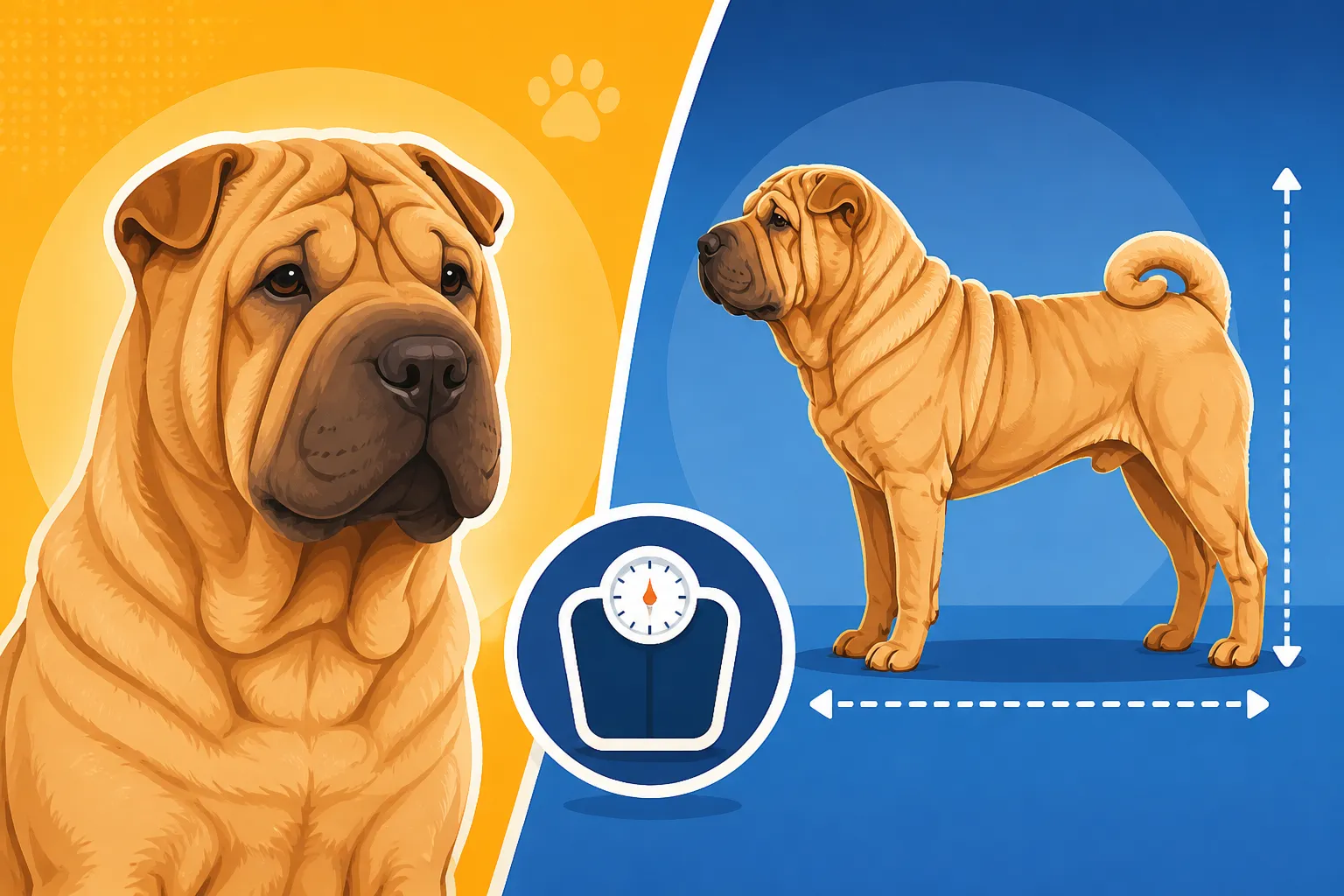
The Shar Pei is generally considered a medium-sized dog, and their height is measured from the top of the shoulder blades (the withers) down to the ground. For adult Shar Pei, the accepted standard usually places them between 18 to 20 inches (46 to 51 cm) tall. This height range gives them a somewhat square, compact, and sturdy appearance, which is characteristic of the breed. It's a balance—they're not towering giants, but they're certainly not toy-sized either, possessing a solid, substantial build.
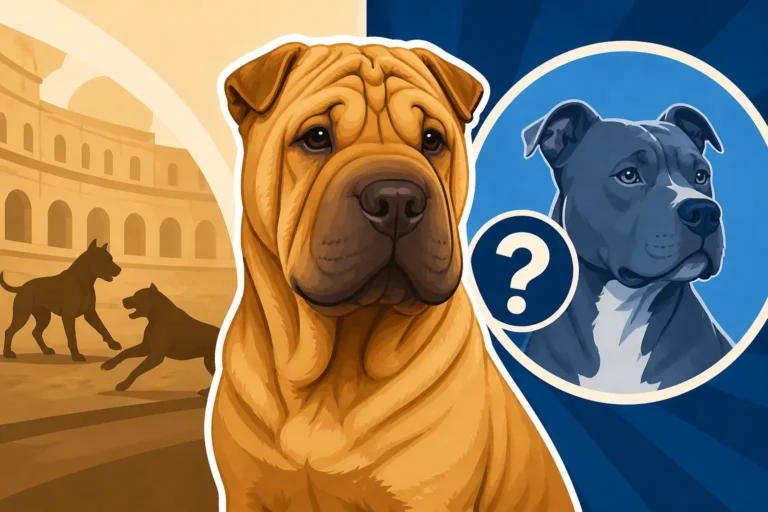
This isn't just an arbitrary number; it relates to their historical function. Shar Pei were originally bred for various roles, including guarding, hunting, and even fighting. Their medium stature made them agile enough for work, yet substantial enough to be formidable. Deviations too far from this height range, either too tall or too short, can sometimes indicate issues with bone structure or overall health, impacting their mobility and general well-being. A dog too small might lack the powerful gait, while one too large could put undue stress on its joints.
Think about how this might impact your home life. An 18 to 20-inch dog can comfortably navigate most household spaces, but they aren't small enough to be easily carried or squeezed into tiny pet carriers. They need enough space to stretch out, turn around, and get comfortable without feeling cramped. This height also puts them at a good level for interaction with adults, but still low enough to be less intimidating to children if properly socialized.
The Weight Conundrum: More Than Just a Number
The weight of an adult Shar Pei typically falls in the range of 45 to 60 pounds (20 to 27 kg). Now, here's where it gets a little nuanced. Unlike height, which is a fairly fixed measurement for a mature dog, weight can fluctuate and is highly dependent on diet, exercise, and overall health. Two Shar Pei of the exact same height could have different healthy weights based on their individual build, muscle mass, and even the density of their bone structure.
It's tempting to focus on the numbers on the scale, but for a Shar Pei, what truly matters is their body condition. A dog at the upper end of the weight range, say 60 pounds, might be perfectly healthy and muscular, while another 60-pound Shar Pei might be overweight and carrying too much fat. Similarly, a 45-pound Shar Pei could be underweight, or they could be a lean, athletic example of the breed. This is why vets often use a body condition score rather than just looking at the number.
A healthy Shar Pei should have a discernible waist when viewed from above, and you should be able to feel their ribs under a thin layer of fat without seeing them prominently. Their unique skin and wrinkles can sometimes make this assessment a little trickier, but with practice, you can learn to distinguish between healthy padding and excessive fat. Weight management is a lifelong commitment for any dog owner, and for a Shar Pei, it's particularly important due to their predisposition to certain health issues that can be exacerbated by extra pounds.
Male vs. Female: Expected Differences in Stature
Just like in many other dog breeds, there's a noticeable difference in size between male and female Shar Pei, with males generally being larger and heavier. A fully grown male Shar Pei will typically stand at the higher end of the 18-20 inch height range and weigh closer to the 55-60 pound mark. They tend to have a more robust build, broader heads, and a more imposing presence.
Female Shar Pei, on the other hand, are usually a bit daintier. They often fall closer to the 18-inch height and might weigh in the 45-50 pound range. While still sturdy, their build is generally more refined than their male counterparts. These are general guidelines, of course, and individual dogs can vary. You might encounter a particularly large female or a more compact male, but the trend holds true across the breed.
These size differences can impact various aspects of ownership. For example, a larger male might require slightly more food, a bigger crate, or a stronger leash. Their overall presence can also be more intimidating to strangers, which is something to consider if you're looking for a family pet that will interact with many different people. Understanding these typical distinctions helps set realistic expectations and allows you to better prepare for the specific needs of your male or female Shar Pei.
The Journey from Wrinkled Puppy to Stately Adult
Watching a Shar Pei puppy grow is an experience filled with adorable clumsiness and surprisingly rapid changes. Those initial abundant wrinkles seem to swallow them whole, and it's natural to wonder how they'll transform into the dignified adults we see. The growth trajectory of a Shar Pei is unique, influenced by their genetics and those famous folds.
Rapid Growth in Puppyhood: When They Gain Their Size
Shar Pei puppies, like most medium-sized breeds, undergo a period of very rapid growth during their first few months of life. From the moment they're born as tiny, squishy bundles, they quickly start putting on weight and increasing in height. This is the stage where their skeletal structure is forming and lengthening, and their muscles are beginning to develop. By the time they're around four to six months old, many Shar Pei puppies will have reached a significant percentage of their adult height, though they'll still be quite lanky and have a lot of filling out to do.
During this intense growth phase, proper nutrition is absolutely critical. A high-quality puppy food, appropriate for medium-sized breeds, provides the necessary nutrients to support healthy bone and muscle development. Overfeeding, or feeding an adult formula too early, can lead to excessively fast growth, which can put undue stress on developing joints and potentially contribute to orthopedic issues later in life. It's a fine balance, ensuring they get enough to fuel their growth without promoting unhealthy weight gain. Many owners find it helpful to consult with their vet or reputable breeders to ensure they're on the right feeding schedule.
It's also worth noting that the famous wrinkles are most pronounced in puppyhood. As they grow, many of these body wrinkles will "stretch out" somewhat as the dog gains height and length, leaving primarily head and neck wrinkles in a mature, well-structured adult. Don't be surprised if your super-wrinkly puppy looks a bit less like a rumpled blanket as they approach their first birthday; this is a normal part of their development. You can read more about How Fast a Shar Pei Puppy Should Grow to understand their development milestones.
When a Shar Pei Stops Growing: Reaching Full Maturity
Most Shar Pei will reach their full height by around 12 to 18 months of age, though some might continue to fill out and gain muscle mass until they are about two years old. This "filling out" period means they'll achieve their adult weight, and their body will gain definition and breadth, rather than just increasing in height. Think of it like a teenager who has shot up in height and then spends the next year or two broadening their shoulders and developing more mature musculature.
During this period from adolescence to young adulthood, their metabolism might shift, meaning you'll need to adjust their food intake to prevent them from becoming overweight. Regular weighing and body condition checks are important. It’s a good time to transition from puppy food to a high-quality adult formula, ensuring they continue to receive balanced nutrition appropriate for their changing needs. Your vet can advise on the best time to make this switch. You can learn more about The Age a Shar Pei Reaches Full Weight for a detailed timeline.
It's important not to rush this process. Forcing rapid weight gain or over-exercising a still-developing dog can be detrimental. Patience and consistent, appropriate care during these formative years lay the groundwork for a healthy adult Shar Pei. Enjoy the last vestiges of their puppy antics, knowing that soon you'll have a fully grown, majestic companion by your side.
Growing Into Their Skin: The Myth and the Reality
One of the most enduring myths about Shar Pei puppies is that they "grow into their skin." While it's true that a Shar Pei puppy often has an abundance of loose skin and wrinkles that seem disproportionate to their small frame, and these do indeed stretch out as they mature, the idea that all of their body wrinkles completely disappear is often a misconception.
A well-bred adult Shar Pei, according to many breed standards, should ideally have a more refined amount of wrinkling. The most desirable wrinkling in an adult is usually confined to the head and neck, with a lesser degree on the body. However, the extent to which a Shar Pei "grows into its skin" varies significantly from dog to dog, and it's also highly dependent on the "type" of Shar Pei, particularly the "Meat Mouth" variety which tends to be more heavily wrinkled. Some adult Shar Pei will retain more body wrinkles than others, especially those bred for an exaggerated appearance.
The reason for the initial excess skin in puppies is largely genetic, tied to the mutation responsible for their unique appearance and sometimes, their health challenges. This abundance of skin needs to be managed properly throughout their lives. Regular cleaning and drying of folds, especially in puppyhood, is essential to prevent skin fold dermatitis. So, while your puppy will definitely fill out their skin to some extent, don't expect them to become completely sleek and wrinkle-free. Embrace the wrinkles, but be mindful of the care they require!
How Coat Type and Mouth Type Influence Appearance and Size
The Shar Pei breed has some fascinating variations that impact not just their appearance but also how we perceive their size and overall structure. Beyond the standard measurements, factors like "mouth type" and coat type can subtly change how a Shar Pei presents itself.
The "Meat Mouth" vs. "Bone Mouth" Debate and Its Impact on Perception
The terms "Meat Mouth" and "Bone Mouth" refer to two distinct types of Shar Pei, primarily differentiating their head structure and, by extension, their overall build and wrinkling. The "Meat Mouth" Shar Pei is the type most commonly recognized in Western countries and is characterized by a broader, more padded muzzle, often with more extensive facial wrinkles. This type generally appears more substantial and heavily built, even if their actual skeletal frame isn't significantly larger. Their loose skin and padded muzzle contribute to an appearance of greater bulk and size.
In contrast, the "Bone Mouth" Shar Pei (which is often considered closer to the original working Shar Pei from China) has a more refined, less padded muzzle, fewer facial wrinkles, and a generally leaner, more athletic build. While they may stand at a similar height to a "Meat Mouth" Shar Pei, their overall weight might be on the lower end of the spectrum, and they often appear more lithe and less "squishy." The difference is often more about proportion and skin/tissue volume than actual bone structure size, but it dramatically impacts the visual perception of their size.
This distinction is important because the "Meat Mouth" type, with its more exaggerated features, tends to have more pronounced skin folds, which require diligent care. The heavier wrinkling can also contribute to issues like entropion, where the eyelids roll inward. While both types fall within the recognized height and weight ranges, the "Meat Mouth" often feels heavier and looks more imposing due to its characteristic bulk and abundant folds.
Does Coat Type Affect Perceived Size or Actual Weight?
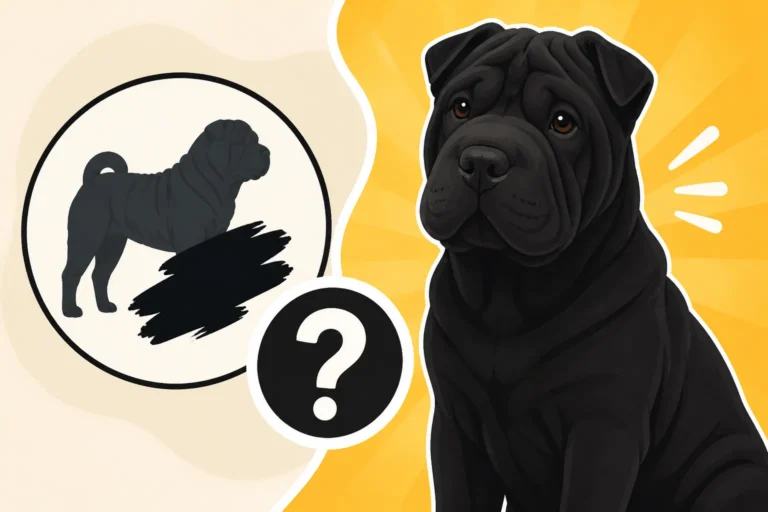
Shar Pei come in three main coat types: Horse Coat, Brush Coat, and the rarer, often unrecognized, Bear Coat. While coat type doesn't fundamentally change the skeletal size or weight of the dog, it can certainly influence how large or sleek a Shar Pei appears.
- Horse Coat: This is the shortest and harshest coat type, feeling prickly to the touch. A Horse Coat Shar Pei often looks the leanest and most defined because there's less fluff to obscure their underlying musculature and body shape. The tight, bristly coat doesn't add any visual bulk, making them appear more compact and athletic within their size range. This coat is thought to be the most ancient and original.
- Brush Coat: This coat is slightly longer and softer than the Horse Coat, making the dog appear a bit fuller or "fluffier." While the actual dog beneath the fur might be the same size as a Horse Coat, the Brush Coat can give the impression of a slightly larger, softer outline. This added length can sometimes make it harder to visually assess their body condition compared to the Horse Coat.
- Bear Coat: This is the longest coat type, resembling that of a Chow Chow. Bear Coats are not recognized by most breed standards and are often the result of specific breeding choices. A Bear Coat Shar Pei will look significantly larger and rounder due to the sheer volume of their fur. This coat type completely masks the underlying body shape, making it very difficult to judge their true weight or musculature without getting hands-on.
So, while a Horse Coat, Brush Coat, and Bear Coat Shar Pei might all be 19 inches tall and weigh 50 pounds, the Bear Coat will undoubtedly look the largest, followed by the Brush Coat, with the Horse Coat appearing the most streamlined. This is purely a visual effect, but it's something to consider when you're looking at different Shar Pei types.
The Illusion of Bulk: How Wrinkles Play a Role
It's impossible to talk about Shar Pei size and appearance without addressing their iconic wrinkles. These folds of skin are arguably their most distinguishing feature, and they contribute significantly to the perception of bulk and substance. When you see a Shar Pei, especially a heavily wrinkled one, they can appear much larger and heavier than their actual skeletal size suggests.
The extensive loose skin, particularly around the head, neck, and sometimes the body, creates an illusion of a larger frame. This is why a 50-pound Shar Pei can often look as substantial as a 70-pound dog of another breed. The skin folds add dimension and volume, making them seem solid and imposing. This visual bulk was historically advantageous, giving the impression of a larger, more formidable opponent in ancient roles, but it's purely superficial.
This "illusion of bulk" also ties back to health and care. While the wrinkles are endearing, they are also prone to issues like skin fold dermatitis. Owners must be diligent in cleaning and drying these areas, regardless of the dog's actual weight. Understanding that much of a Shar Pei's perceived size comes from their unique skin helps owners appreciate their true build and manage their health appropriately. It's not just about the numbers on the scale; it's about the healthy dog underneath all that wonderful, loose skin.
Maintaining a Healthy Weight for Your Shar Pei
Ensuring your Shar Pei maintains a healthy weight is one of the most important aspects of their care. Their unique physiology, including their deep skin folds and predisposition to certain health conditions, makes proper weight management critical. An overweight Shar Pei is not just a little chunky; they're at a significantly higher risk for exacerbated skin issues, joint problems, and other serious health concerns.
Understanding Shar Pei Body Condition Score
Forget the numbers on the scale for a moment, and focus on your Shar Pei's body condition score (BCS). This is a veterinary tool that assesses a dog's fat reserves, usually on a scale of 1 to 9 (with 1 being emaciated and 9 being obese), or sometimes 1 to 5. The ideal score for most dogs, including Shar Pei, is typically a 4 or 5 on a 9-point scale, or a 3 on a 5-point scale.
To assess your Shar Pei's BCS, you'll need to get hands-on.
- Ribs: Gently feel along their sides. You should be able to easily feel their ribs with slight pressure, like the back of your hand. If you can see their ribs clearly, they might be too thin. If you have to press hard to feel them, they're likely overweight.
- Waist: Look at your Shar Pei from above. They should have a noticeable "waist" or tuck behind their rib cage before their hips. If they look like a solid cylinder, they're carrying too much weight.
- Abdominal Tuck: Observe them from the side. Their abdomen should tuck up slightly from their chest, not hang low or be level with their chest.
The challenge with Shar Pei is their loose skin and wrinkles can sometimes obscure these markers. You might need to gently lift a fold or two to get a true feel for their rib cage. Regularly checking their BCS (at least monthly) will give you a much better understanding of their weight status than simply stepping on the scale. For a deeper dive, you can refer to Signs a Shar Pei Is Overweight.
The Dangers of Being Overweight for a Shar Pei's Joints and Organs
Carrying extra weight poses significant health risks for any dog, but for a Shar Pei, these risks are amplified due to their breed-specific predispositions. Overweight Shar Pei are much more prone to:
- Joint Problems: The added stress on their joints can lead to or worsen conditions like arthritis, hip dysplasia, and elbow dysplasia. Their sturdy build can only handle so much, and extra weight puts immense pressure on their cartilage and ligaments, leading to pain and reduced mobility.
- Skin Fold Dermatitis: Excessive fat can deepen existing wrinkles and create new ones, trapping moisture and debris, leading to more severe and frequent skin fold infections (pyoderma, yeast infections). This is particularly uncomfortable and can lead to chronic skin issues that require constant veterinary attention. Whether Extra Weight Makes a Shar Pei's Folds Worse explains this in more detail.
- Respiratory Issues: While not a brachycephalic (short-nosed) breed, a Shar Pei can still experience compromised breathing with excessive weight, especially in warmer climates, making them more prone to overheating.
- Metabolic Diseases: Like humans, overweight dogs are at higher risk for conditions like diabetes and hypothyroidism. While Shar Pei already have a predisposition to Hypothyroidism and IgA Deficiency in a Shar Pei, obesity can complicate its management.
- Cardiac Disease: Extra weight puts a strain on the heart, potentially leading to or worsening heart conditions.
- Reduced Lifespan: Ultimately, all these factors combine to reduce a Shar Pei's overall quality of life and shorten their lifespan. It's a cruel irony that showing affection through extra treats can inadvertently harm them.
Feeding for a Healthy Size: Nutritional Considerations
Maintaining a healthy weight for your Shar Pei largely comes down to what and how much you feed them, combined with adequate exercise. It's not about crash dieting, but about consistent, balanced nutrition.
- High-Quality Diet: Start with a premium dog food appropriate for their age and activity level. Look for foods with real meat as the first ingredient and avoid excessive fillers. Some Shar Pei have sensitivities, so a limited ingredient diet might be beneficial for some. How Many Cups a Day an Adult Shar Pei Eats will give you a good starting point for portion sizes.
- Portion Control: Follow the feeding guidelines on your dog food bag, but always adjust based on your dog's individual needs and activity level. These guidelines are just a starting point. Measure their food precisely with a measuring cup, rather than eyeballing it. Remember, even a small excess each day can lead to significant weight gain over time. For puppies, understanding What a Shar Pei Puppy Eats at Four Months is crucial for healthy development.
- Limit Treats: Treats should be given sparingly and account for no more than 10% of their daily caloric intake. Opt for healthy, low-calorie options like small pieces of carrots, green beans, or specialized low-fat dog treats from reputable brands like Chewy. These can still be used effectively for training without adding unnecessary calories.
- Meal Schedule: Feed adult Shar Pei two measured meals a day rather than free-feeding. This helps regulate their metabolism and makes it easier to track their intake.
- Regular Vet Checks: Your veterinarian is your best partner in weight management. They can help you determine your Shar Pei's ideal weight range, assess their body condition, and provide tailored dietary recommendations. They can also help you figure out When a Shar Pei Moves to Adult Food.
Consistency is key. A healthy diet and controlled portions are fundamental to preventing obesity and ensuring your Shar Pei lives a long, comfortable, and active life.
Practical Implications of Shar Pei Size for Everyday Life
A Shar Pei's size isn't just about what they look like; it has very real, practical implications for daily life. From where they sleep to how you travel with them, their stature influences many decisions an owner makes. Understanding these aspects before bringing a Shar Pei home can help you prepare for a harmonious life together.
Housing Considerations: Do They Suit Apartments?
Many prospective owners wonder if a Shar Pei can thrive in an apartment setting. The good news is, generally, yes, a Shar Pei can adapt well to apartment living, primarily because they are a medium-sized breed that doesn't require vast amounts of space. Their moderate height and weight mean they don't take up an excessive amount of floor space, and they aren't prone to the restless, zoomy energy that larger, high-drive breeds might exhibit indoors.
However, "can" and "should" are two different things. While they might not need a sprawling estate, they still need adequate room to move around comfortably, stretch out on their bed, and play with their toys. A small, cramped apartment where they can barely turn around is not ideal. Access to outdoor space, even if it's just a balcony for sunbathing (with shade, of course!), can make a big difference. The key factor is not just the size of the apartment itself, but the commitment to meeting their exercise needs outside of it. For more on this, check out Whether a Shar Pei Suits an Apartment.
Furthermore, consider their guarding instincts. Shar Pei were bred to be watchful, and in an apartment building, constant hallway noise or activity outside your door could trigger excessive barking or alert behaviors. Proper socialization and training are crucial to manage these tendencies in a close-quarters environment. They also need a comfortable, designated "den" area, whether it's a crate or a cozy bed, where they feel secure and can retreat from household activity.
Exercise Requirements and How Size Plays a Part
Despite their sturdy build and historical working roles, Shar Pei are not typically high-energy dogs. Their moderate size means their exercise requirements are generally manageable for most active individuals or families. An hour a day of moderate exercise, broken into two shorter walks, is often sufficient. This could include a brisk walk around the neighborhood, some playtime in a securely fenced yard, or a short hike on a cool day.
Their size and build do, however, present some limitations. Their sturdy frame is not built for endurance running or extreme agility. While they can enjoy a good romp, excessive high-impact exercise, especially in their younger years, could put strain on their developing joints. Moreover, their unique facial structure and potential for respiratory issues, combined with their dense coats, make them highly susceptible to overheating. This means that exercise duration and intensity must be carefully monitored, especially in warm weather. Short, early morning or late evening walks are often best during hotter months.
For a deeper dive into their exercise needs, consider An Hour a Day Suits a Shar Pei, and Heat Cuts It Short. Because they are not inherently marathon runners, their moderate exercise needs make them a good fit for owners who enjoy regular, but not extreme, physical activity. Their size means they can keep up without demanding hours of intense exertion, provided their needs are met consistently.
Travel and Transportation: Accommodating a Medium-Sized Dog
The size of your Shar Pei will certainly dictate how you travel with them. At 45-60 pounds and 18-20 inches tall, they are too large for under-seat airplane travel and would need to fly in cargo, a decision many owners are understandably hesitant about. For car travel, they're typically too large for a standard small pet carrier, but too small to be entirely unrestrained.
Most Shar Pei owners opt for either a larger, sturdy crate that can be secured in the back of an SUV or hatchback, or a crash-tested safety harness that clips into the seatbelt. Brands like Chewy offer a variety of options for car safety, including durable crates and harnesses designed for medium-sized breeds. It's crucial for their safety, and yours, that they are properly secured during any car journey to prevent injury in case of a sudden stop or accident.
Public transportation can also be a challenge. While some systems allow dogs in carriers, a Shar Pei's size often makes this impractical. For longer road trips, their moderate size means they can usually comfortably fit in the back seat or cargo area of most standard vehicles, provided there's enough room to lie down and stretch. Always ensure they have access to water and comfort breaks, just as you would for yourself. Planning ahead for travel, considering their size and comfort, will make journeys much smoother for both of you.
Comparing the Shar Pei's Stature to Other Breeds
To truly appreciate the Shar Pei's unique physical presence, it's helpful to compare them to other well-known breeds. This provides context for their size, dispelling any myths and highlighting their distinct characteristics. Understanding how they stack up against others can also help prospective owners gauge if a Shar Pei is the right physical fit for their lifestyle and home.
Shar Pei vs. Chow Chow: A Tale of Two Wrinkled Breeds
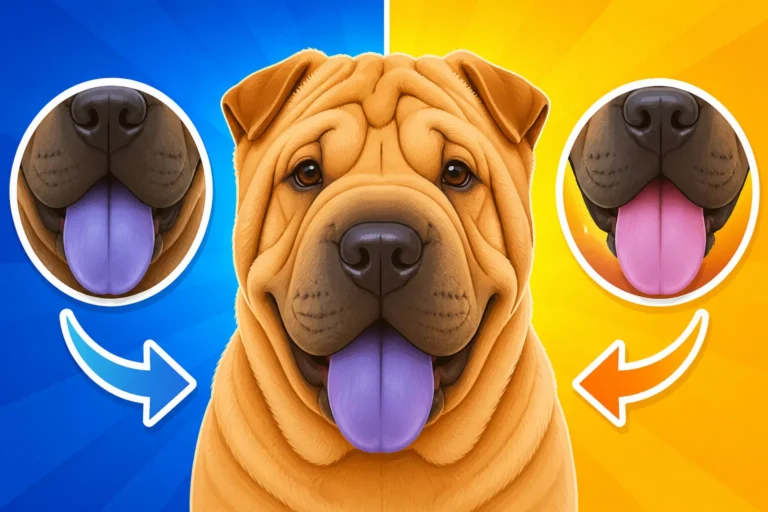
The Shar Pei and the Chow Chow are often grouped together, not just for their ancient Chinese origins but also for their somewhat similar appearance, particularly the blue-black tongue they share. However, when it comes to size, there are distinct differences.
Chow Chows are generally larger and heavier than Shar Pei. A typical Chow Chow stands between 17 to 20 inches tall, overlapping with the Shar Pei's height, but they are significantly more substantial in weight, usually ranging from 45 to 70 pounds, with some males even exceeding that. They have a denser bone structure and a much thicker, more voluminous coat, which adds to their impressive bulk. This means that while a Shar Pei might be at the upper end of its weight at 60 pounds, a Chow Chow at 60 pounds could still be considered on the leaner side.
The Chow Chow's thick ruff and dense body fur give them a bear-like appearance, making them seem even larger. The Shar Pei, by contrast, even with its wrinkles, has a much shorter coat (Horse or Brush) that allows for a clearer view of its body structure. Both are sturdy, powerful breeds, but the Chow Chow has a more imposing, almost lumbering presence due to its greater mass and fur, while the Shar Pei is more compact and agile within its own medium-sized frame. You can explore The Shar Pei Against a Chow Chow for a more in-depth comparison.
Shar Pei vs. Bulldogs: Different Builds, Similar Issues
Another breed sometimes compared to the Shar Pei, often due to their unique facial features and sturdy builds, is the Bulldog (specifically the English Bulldog). Here, the comparison reveals interesting contrasts in how size and structure translate to appearance and health.
English Bulldogs are typically shorter than Shar Pei, standing around 14 to 15 inches tall, but they are incredibly broad and heavy-boned, weighing between 40 to 50 pounds for females and 50 to 55 pounds for males. So, while they are significantly shorter, their sheer density and width can make them feel just as heavy, if not heavier, than a Shar Pei of similar weight. Their low-slung, stocky build is very different from the Shar Pei's more upright, square frame.
Both breeds face unique health challenges tied to their exaggerated features. Bulldogs are brachycephalic, meaning they have shortened muzzles that lead to breathing difficulties, especially in heat or during exertion. Shar Pei, while not brachycephalic, have their own issues related to their skin folds and eyes. The Bulldog's compact, dense body also puts immense strain on its joints, similar to how an overweight Shar Pei would experience joint issues. So, while their physical dimensions and proportions differ, both share the commonality of needing diligent care to manage breed-specific health concerns that are often exacerbated by genetics and sometimes, weight. For further reading, check out The Shar Pei Against a Bulldog.
Why Size Matters in the Breed Standard
The breed standard for Shar Pei height and weight isn't just a guideline for show ring aesthetics; it's a blueprint for the breed's functional health and typical temperament. Deviations too far from the standard can sometimes signal underlying issues or breeding practices that prioritize extreme features over well-being.
A Shar Pei within the standard height and weight range is generally considered to be in the optimal zone for their structure and activity level. Dogs that are significantly undersized might be frail or have other genetic conditions. Those that are excessively oversized might struggle with joint problems, heart strain, or a shorter lifespan due to carrying too much mass on a frame not designed for it. The standard aims for a medium-sized dog that is robust, agile, and capable of performing its historical functions without undue physical burden.
Moreover, extreme deviations in size can also impact temperament. Overly large dogs might be more difficult to manage in certain situations, while undersized dogs might be perceived as more vulnerable, leading to behavioral insecurities. Reputable breeders strive to produce Shar Pei that fall within these guidelines, understanding that a dog of correct size and proportion is more likely to be a healthy, well-adjusted companion for many years to come. The standard, therefore, serves as a crucial reference point for the preservation of the breed's health and integrity.
Age-Related Changes in a Shar Pei's Size and Weight
Just like people, Shar Pei experience changes in their size and weight throughout their lives. From the bouncy energy of puppyhood to the serene wisdom of their senior years, their bodies evolve, and understanding these shifts is key to providing appropriate care and nutrition.
Puppy Fat and Adolescent Growth Spurts
When you first bring home a Shar Pei puppy, you'll likely notice they carry a surprising amount of "puppy fat." This soft, squishy layer is perfectly normal and acts as an energy reserve for their rapid growth. Don't mistake this for being overweight; it's part of their healthy development. During the first few months, their bodies are working overtime, lengthening bones, developing muscles, and growing those abundant wrinkles.
As they transition into adolescence, typically between 6 months and 1.5 years of age, you'll see them go through distinct growth spurts. They might suddenly shoot up in height, looking gangly and disproportionate for a few weeks, before their bodies start to fill out. During these growth phases, their caloric needs are high, but it's important to feed them a high-quality, age-appropriate diet (like those found on Chewy's puppy section) and avoid overfeeding, which can force growth too quickly and put stress on developing joints. Their exercise should be moderate and not high-impact during this time.
It's also during this period that some of their body wrinkles will begin to stretch out as they gain height and length, though head and neck wrinkles typically remain prominent. This is the stage where their puppy fat gives way to a more athletic, leaner adolescent physique before they finally reach their full adult size and fill out to their mature weight. Careful monitoring of their body condition and adjusting food as needed prevents them from becoming either too thin during a growth spurt or overweight once their growth begins to slow.
Senior Shar Pei: Managing Weight in Later Years
As a Shar Pei enters its senior years, typically around age seven, their metabolism naturally slows down. This means their caloric needs will decrease, even if their activity level hasn't changed dramatically. If their diet isn't adjusted, it's very easy for senior Shar Pei to start gaining weight, which can exacerbate age-related issues like arthritis, kidney problems, or heart conditions. Caring for a Shar Pei Past Seven delves into the specific needs of older dogs.
Monitoring your senior Shar Pei's weight and body condition becomes even more critical. You'll likely need to transition them to a senior-specific dog food, which is typically lower in calories and fat, but rich in joint-supporting supplements like glucosamine and chondroitin. Many reputable brands offer excellent senior formulas designed to support aging bodies without adding unnecessary pounds. Portion control is paramount.
Conversely, some senior Shar Pei might lose weight due to dental issues, underlying health conditions, or a decreased appetite. If your older Shar Pei is losing weight unintentionally, it's crucial to consult your veterinarian immediately. It could be a sign of a serious health problem, such as Amyloidosis Is What Actually Kills a Shar Pei, or a less severe but still important issue like dental pain. Regular veterinary check-ups, often twice a year for seniors, are essential to catch any changes early and ensure they remain comfortable and healthy. What Changes in an Old Shar Pei's Care is a great resource for this life stage.
Recognizing Unhealthy Weight Changes at Any Age
Any significant, unexplained change in your Shar Pei's weight—whether it's a sudden gain or a noticeable loss—is a red flag that warrants veterinary attention.
- Sudden Weight Gain: Beyond simple overfeeding, rapid weight gain can be a symptom of conditions like hypothyroidism, fluid retention (which could indicate heart or kidney issues), or even certain medications. If your Shar Pei seems to be packing on pounds despite no major dietary changes, it's time for a vet visit. Early diagnosis of conditions like Signs a Shar Pei's Thyroid Is Low can prevent more severe complications.
- Unexplained Weight Loss: This is often a more concerning symptom, particularly in adult or senior dogs. Weight loss can indicate a wide range of problems, including dental disease, gastrointestinal issues, diabetes, kidney disease (like Why a Shar Pei's Kidneys Need Watching From Two Years Old), cancer, or parasitic infections. Even a seemingly minor drop in weight could be the first sign of a serious underlying illness. If your Shar Pei is eating normally but losing weight, or if they've lost their appetite entirely, seek veterinary care promptly.
Regular at-home body condition checks, consistent weighing (if possible), and annual (or biannual for seniors) vet visits are your best tools for monitoring your Shar Pei's weight throughout their life. Being proactive about weight management and recognizing unhealthy changes can significantly impact their long-term health and well-being.
| Shar Pei Size Guide | Male (Adult) | Female (Adult) | Puppy (4-6 Months) |
|---|---|---|---|
| Height (Withers) | 19-20 inches | 18-19 inches | 14-17 inches |
| Weight | 55-60 pounds | 45-50 pounds | 30-40 pounds |
| Build | More robust, broader | More refined, leaner | Lanky, growing |
| Wrinkles | Prominent head/neck | Prominent head/neck | Abundant body folds |
| Maturity | 1.5 – 2 years | 1 – 1.5 years | Still growing |
Disclaimer
This article is for general informational purposes only and does not constitute professional advice. Laws, prices and regulations vary by location and change over time. Consult a qualified professional for guidance on your specific situation.