How Many Shar Pei Were Left in the 1970s
For anyone who loves the distinct look and loyal nature of a Shar Pei today, it's almost impossible to imagine a world without them. Yet, there was a time, not so long ago, when this incredible breed was teetering on the very brink of extinction, with their numbers dwindling to a terrifyingly low count. This guide will take you back to those desperate days of the 1970s, exploring the reasons behind their near disappearance and celebrating the remarkable efforts that brought them back from the edge.
The Precipice of Extinction: A Look at the 1970s Shar Pei Population
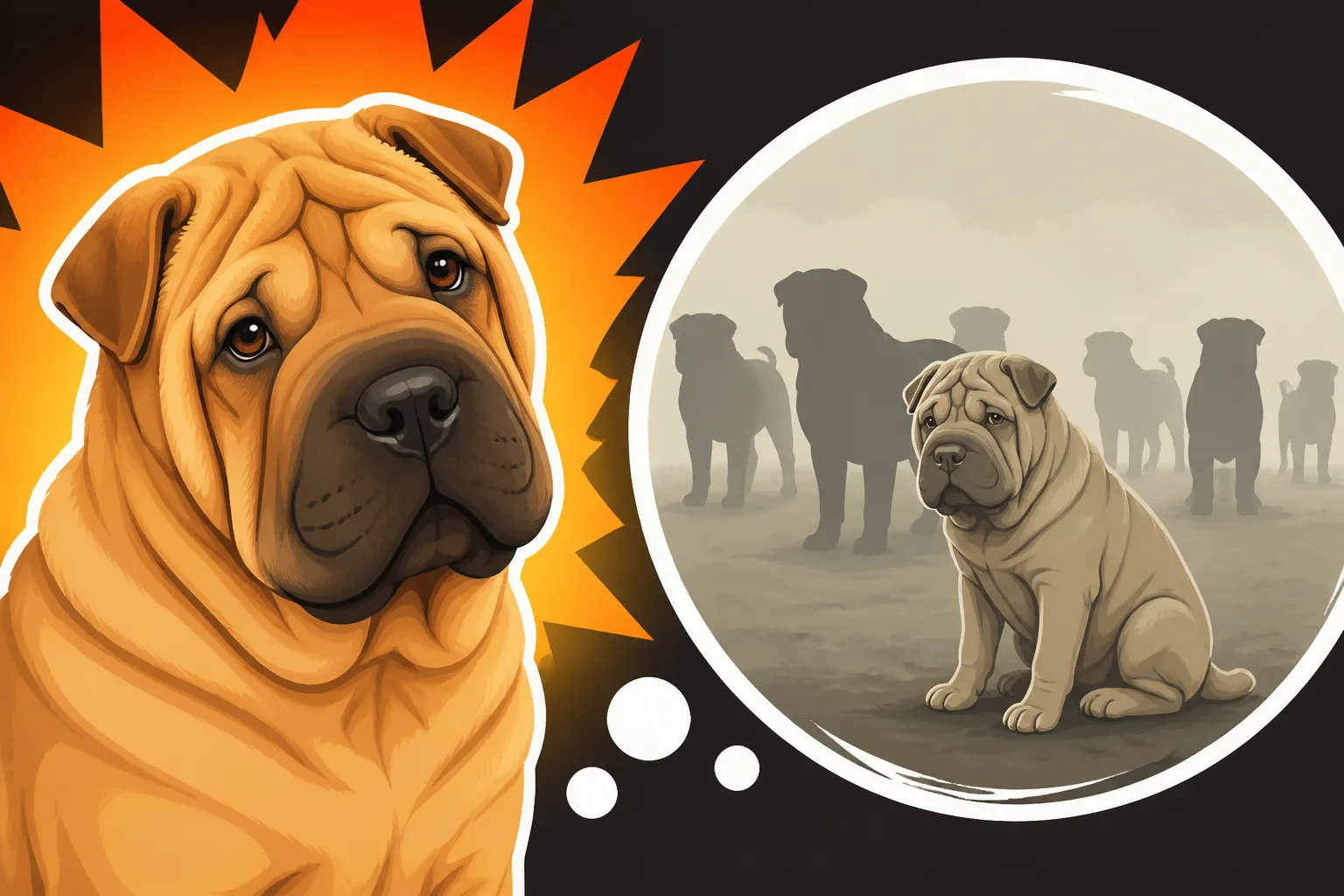
Imagine a world where the distinctive wrinkled face of a Shar Pei was a rarity, a ghost of a breed, almost entirely wiped from existence. That was the grim reality for the Shar Pei in the 1970s. While exact, definitive numbers are always hard to pinpoint for a period of such dramatic decline, estimates suggest that the global population of true, purebred Shar Pei had plummeted to dangerously low figures, perhaps as few as Sixty Shar Pei Were Left in 1978. It's a sobering thought, especially when you consider how widespread and beloved they are today. This wasn't a slow, natural fade, but a drastic collapse driven by intense socio-political pressures in their homeland.
It's easy to look back and wonder how a breed could nearly vanish, especially one as unique as the Shar Pei. The truth is, their survival was never guaranteed, and the factors contributing to their decline were complex, stemming from a challenging historical period in China that had little room for companion animals, let alone their careful preservation.
The Political Climate and Its Impact on Dog Ownership in China
To understand why the Shar Pei almost disappeared, we have to look at the larger historical context in China. During the mid-20th century, particularly under the Communist regime, dog ownership was often seen as a bourgeois extravagance, a luxury that went against the ideological grain of the time. There was a period when dog ownership was actively discouraged, and in many cases, dogs were culled en masse to eradicate what was perceived as a decadent Western influence or a drain on resources.
For centuries, the Shar Pei had been a working dog in rural China, a versatile farm dog used for hunting, guarding, and even as a fighting dog, though that's a contentious part of their history. They were valued for their utility, their tenacity, and their loyalty. However, as societal values shifted and economic hardship became widespread, the concept of keeping dogs for anything other than practical, immediate purposes became untenable, and even dangerous, for owners. This cultural shift, combined with stringent regulations and even extermination campaigns, led to a catastrophic reduction in the Shar Pei population within mainland China. It truly became a matter of survival, not just for the dogs, but for their owners too. It's a stark reminder of how fragile a breed's existence can be when faced with overwhelming societal forces. Why Dogs Were Killed in China in the 1940s and Whether Taxes Ended Chinese Dog Keeping provide further insight into the pressures of the time.
The Last Stand in Hong Kong
While the situation on mainland China was dire, a small glimmer of hope remained in Hong Kong. As a British colony, Hong Kong was somewhat insulated from the harshest policies affecting mainland China. This meant that a few dedicated individuals managed to maintain small pockets of Shar Pei, keeping the breed alive, albeit precariously. These were the true custodians of the breed, often operating quietly, understanding the immense historical and cultural value of these dogs.
These remaining Shar Pei in Hong Kong formed the incredibly narrow genetic pool from which the entire modern breed would eventually descend. It was a handful of dogs, carefully guarded, that held the fate of the entire breed in their paws. Without these dedicated efforts, it's highly probable that the Shar Pei would have become nothing more than a historical footnote, a breed lost to time. The foresight and dedication of these individuals in Hong Kong were absolutely critical in bridging the gap between near-extinction and global recognition, paving the way for the breed's eventual rescue. Whether Hong Kong Preserved the Shar Pei delves deeper into this pivotal role.
Matgo Law's Desperate Plea: The Letter That Changed Everything
The story of the Shar Pei's rescue from oblivion often begins with one name: Matgo Law. He was a passionate and dedicated breeder in Hong Kong who, in the early 1970s, recognized the dire straits his beloved breed was in. He saw the numbers dwindling, the unique characteristics fading, and the very real possibility of the Shar Pei disappearing forever. It must have been a terrifying realization, understanding that the weight of an entire breed's future rested on such few shoulders.
Matgo Law wasn't content to simply watch the breed fade. He knew he had to act, and he understood that the solution lay beyond the borders of Hong Kong. His plea wasn't just for his own dogs, but for the legacy of an ancient and noble breed. He channeled his concern into action, making a bold and audacious move that would reverberate across continents and ultimately save the Shar Pei. Who Matgo Law Was is a name every Shar Pei enthusiast should know.
The Call to Action Heard Around the World
In 1973, Matgo Law took a leap of faith. He penned a heartfelt letter to a prominent American dog magazine, essentially an international cry for help. His letter painted a vivid picture of the Shar Pei's plight, describing them as facing extinction and appealing to Western dog enthusiasts and breeders to help save the breed. He articulated the unique qualities of the Shar Pei, emphasizing their ancient lineage and distinct appearance, hoping to spark interest and compassion.
This letter was more than just an informational piece; it was a desperate plea from someone who truly believed in the intrinsic value of these dogs. It highlighted the urgent need for a new gene pool, for individuals outside of Hong Kong to become involved in their preservation. He knew that relying solely on the tiny remaining population in Hong Kong was a recipe for disaster, and that diversity, even from a small base, was essential for the breed's long-term health and survival. It was a courageous act, considering the political sensitivities of the time and the uncertainty of whether anyone would even listen.
The Magazine That Published the Shar Pei Appeal
The chosen platform for Matgo Law's appeal was Dogs magazine, a popular American publication for dog enthusiasts. When his letter appeared in its pages, it created an immediate sensation. For many Western readers, the Shar Pei was an utterly unknown quantity, a mysterious and exotic breed from a distant land, described as the "rarest dog in the world." The striking photos that accompanied the article, showcasing their distinctive wrinkled faces and soulful expressions, undoubtedly captured the imagination of countless readers.
The publication of this letter was a monumental turning point. It wasn't just about sharing information; it was about creating awareness and, more importantly, inspiring action. The response was overwhelming. People from all walks of life, captivated by the story of this nearly extinct breed, began reaching out, eager to help. Which Magazine Published the Shar Pei Appeal played an instrumental role in bringing the Shar Pei back from the brink, transforming a localized crisis into a global rescue effort. The outpouring of interest and support proved that Matgo Law's gamble had paid off, signaling the beginning of a new chapter for the Shar Pei. How Many Replies the Shar Pei Letter Drew illustrates the incredible impact of this single publication.
From Rarest Dog to Rescued Breed: The Influx to the West
Following Matgo Law's appeal, the Shar Pei transitioned from being an obscure, endangered breed to a global phenomenon, sparking an unprecedented rescue effort. It was a whirlwind of activity, with dedicated individuals in the West, particularly in the United States, answering the call. The process of bringing these precious few dogs out of Hong Kong and into new homes was complex, requiring careful coordination and a deep commitment to the breed's future. It wasn't simply about acquiring a rare dog; it was about taking on the immense responsibility of preserving a genetic lineage.
This period marked the true beginning of the modern Shar Pei population outside of China. Suddenly, what was once a handful of dogs facing an uncertain future became a breed with champions and advocates across the globe. The breed's trajectory changed almost overnight, moving from the cusp of oblivion to a rapid increase in numbers, though not without its own set of challenges that would emerge later.
The Narrow Genetic Bottleneck of the Rescued Population
While the rescue efforts were heroic and absolutely vital, they inadvertently created a significant genetic challenge for the breed. The initial Shar Pei that were imported from Hong Kong to the West came from an extremely limited gene pool. Remember, there were very few purebred Shar Pei left. This means that all modern Shar Pei outside of China can trace their ancestry back to a small number of founders. This phenomenon is known as a genetic bottleneck.
A narrow gene pool means a limited variety of genetic material within the breed. While these dogs were healthy enough to be the foundation for a new beginning, this lack of diversity has profound long-term implications. It increases the likelihood of certain genetic conditions becoming prevalent within the breed because there's less genetic variation to "dilute" or mask undesirable traits. This bottleneck explains many of the health issues Shar Pei commonly face today, from their distinctive skin problems to their unique inflammatory conditions. Understanding How Narrow the Shar Pei's Founding Gene Pool Was is crucial for appreciating the breed's current health landscape and the efforts being made by responsible breeders.
The Initial Journey to American Shores
The United States became a primary destination for these initial Shar Pei imports. Enthusiasts and breeders, eager to participate in the preservation of this unique breed, began the process of acquiring dogs and establishing breeding programs. These early pioneers faced immense challenges, not just in locating and importing the dogs, but also in understanding their unique needs, temperament, and health predispositions. Many of these first imports laid the groundwork for the breed's recognition by major kennel clubs.
It's fascinating to think about those first Shar Pei stepping onto American soil. They were exotic, unusual, and carried with them the hope of an entire breed. The dedication of these early adopters was paramount, as they were essentially writing the future of the Shar Pei breed. They had to navigate unfamiliar veterinary issues, learn about their unique temperament, and often educate their communities about this peculiar, wrinkled dog. This was an era of intense learning and commitment, where the passion of a few individuals truly made a difference in bringing a breed back to life. How Many Shar Pei Reached America First and Whether the First American Shar Pei Were Related highlight the critical early days of the breed's establishment in the West.
The Shar Pei Boom and Its Unintended Consequences
Once the Shar Pei arrived in the West and captivated the public's imagination, their numbers began to recover rapidly. They went from being the "rarest dog on Earth" – a title bestowed upon them by Guinness World Records in The Year Guinness Named the Shar Pei the Rarest Breed – to a breed experiencing a meteoric rise in popularity. This sudden surge, while a testament to their unique appeal and the success of the rescue efforts, brought with it a new set of challenges that would forever impact the breed's health and future.
The period of rapid expansion was a double-edged sword. On one hand, it secured the Shar Pei's place in the canine world, ensuring their survival. On the other, it exposed them to the pitfalls of unchecked breeding and commercialization, leading to an amplification of certain breed-specific health issues. It's a classic example of how good intentions, when coupled with market demand, can sometimes have unforeseen negative consequences.
The Rapid Rise in Popularity and Numbers
The Shar Pei quickly became a status symbol, a "designer dog" before the term was even widely used. Their distinctive appearance – those deep wrinkles, hippopotamus muzzle, and blue-black tongue – made them instantly recognizable and highly desirable. Puppy prices soared, and demand far outstripped the supply of responsibly bred dogs. This created a fertile ground for opportunists, leading to an explosion in backyard breeding and puppy mills, where profit took precedence over health and welfare.
Many people bought Shar Pei simply because they were unique and fashionable, without fully understanding the breed's complex health needs or independent temperament. This rapid increase in numbers, fueled by a craze, meant that many dogs were bred without proper health screening or consideration for genetic diversity. The focus shifted from preserving a healthy, functional breed to producing as many "wrinkly puppies" as possible to meet consumer demand. How Fast Shar Pei Numbers Recovered paints a picture of this explosive growth, which, while saving the breed, also set the stage for future problems. Whether the Shar Pei Was Bred for Wrinkles After 1980 explores how aesthetic preferences changed the breed.
The Health Implications of the Breed's Swift Recovery
The rush to breed Shar Pei to meet demand, often from the narrow genetic foundation that came from Hong Kong, had significant health implications. Many of the characteristic features that made the Shar Pei so desirable – particularly those excessive wrinkles – are directly linked to underlying genetic predispositions for certain health conditions. One Mutation Gave the Shar Pei Its Wrinkles and Its Fever explains the scientific basis for this connection. The genetic mutation responsible for their unique appearance also predisposes them to conditions like Familial Shar Pei Fever Is Not an Infection and various skin issues.
As the breed boomed, so too did the prevalence of these breed-specific health problems. Owners and veterinarians alike began to recognize a pattern of recurring fevers, chronic skin infections, and eye problems like entropion. The once rare and healthy working dogs of old became synonymous with a host of complex medical needs. This period was crucial in highlighting What Being Saved Did to the Shar Pei's Health and Whether the Shar Pei Boom Damaged the Breed, forcing dedicated breeders and researchers to confront the unintended consequences of the breed's rescue. It underscores the importance of responsible breeding practices and careful selection to mitigate these inherited health challenges.
| Era | Shar Pei Population Status | Key Challenges | Genetic Diversity Implication |
|---|---|---|---|
| Pre-1970s (Mainland) | Utility dog, declining rapidly in mainland China | Political suppression of dog ownership, culling campaigns | Unknown, likely broader than Hong Kong |
| 1970s (Hong Kong) | Critically low, possibly ~60 true purebreds | Near extinction, limited breeding options, genetic isolation | Extremely narrow genetic bottleneck |
| Post-1973 (Western Influx) | Rapid recovery in numbers, global recognition | Managing a sudden boom, commercialization, uneducated breeding | Inherited health predispositions |
| Modern Day | Established, beloved, but with recognized health challenges | Responsible breeding, genetic testing, owner education, ongoing care | Still relatively narrow, ongoing efforts to improve |
A Legacy of Resilience: Understanding Today's Shar Pei
Today, the Shar Pei is a beloved and recognizable breed, a far cry from their near-extinct status in the 1970s. Their journey from the brink of disappearance to widespread recognition is a testament to the dedication of individuals like Matgo Law and the early breeders who championed the cause. However, the legacy of their near-extinction and subsequent boom continues to shape the breed, particularly in terms of their health. Owning a Shar Pei today means understanding this history and being prepared for the unique care requirements that come with it.
It's a balance of celebrating their distinctive charm and being realistic about the inherited health considerations. Responsible ownership isn't just about feeding and walking; it's about being informed and proactive, especially with a breed that has such a compelling and challenging history.
Efforts to Diversify the Gene Pool and Improve Health
Recognizing the health challenges stemming from the genetic bottleneck, many dedicated Shar Pei breeders and breed clubs are actively working to improve the breed's health. This involves careful health screening of breeding stock, including genetic testing for known conditions where available, and making informed breeding decisions to promote genetic diversity within the existing population. The goal is to produce healthier puppies that still embody the desirable traits of the breed, without perpetuating problematic genes.
Research into breed-specific diseases, like Shar Pei Fever and Amyloidosis, is ongoing, with significant strides being made in understanding their genetic basis. For instance, understanding How Copy Number Changes a Shar Pei's Risk for fever helps breeders make more informed choices. Breeders are often transparent about the health histories of their lines and encourage potential owners to educate themselves. This collective effort, from scientific research to diligent breeding practices, aims to ensure that the Shar Pei thrives not just in numbers, but in overall well-being. When looking for a puppy, it's essential to seek out a reputable breeder who prioritizes health and can provide verifiable health clearances.
The Enduring Appeal of This Unique Breed
Despite their health predispositions and sometimes complex care needs, the Shar Pei continues to capture hearts around the world. Their unique appearance, often described as "exotic" or "ancient," draws people in. Beyond the wrinkles, they are known for their deep loyalty, independent spirit, and often cat-like demeanor. They tend to bond deeply with their chosen family, often displaying a quiet devotion that is profoundly rewarding.
For many owners, the Shar Pei is more than just a pet; they are a truly special companion, a conversation starter, and a dog with a rich, dramatic history. Providing for their specific needs, whether it's managing sensitive skin with quality products or staying on top of their dietary requirements with specialized foods you might find on platforms like Chewy, becomes a part of the rewarding journey of Shar Pei ownership. From specialized shampoos and conditioners to limited ingredient foods, a store like Chewy can be a valuable resource for finding products tailored to their unique constitution. Taking care of those ears with proper cleaning solutions, also readily available from Chewy, is another essential part of their routine care. It's a commitment, yes, but one that countless Shar Pei enthusiasts happily embrace, ensuring this magnificent breed continues to thrive long into the future. Even finding appropriate durable toys that suit their strong jaws can be a task, and Chewy offers a wide range to explore. Furthermore, for regular monitoring of their health, having a reliable source for veterinary-recommended dietary supplements or prescription foods, often stocked by Chewy, can make a significant difference in their quality of life. The story of the Shar Pei is one of resilience, a poignant reminder of how much can be lost, and how much can be gained, through concerted effort and enduring love.
Disclaimer
This article is for general informational purposes only and does not constitute professional advice. Laws, prices and regulations vary by location and change over time. Consult a qualified professional for guidance on your specific situation.