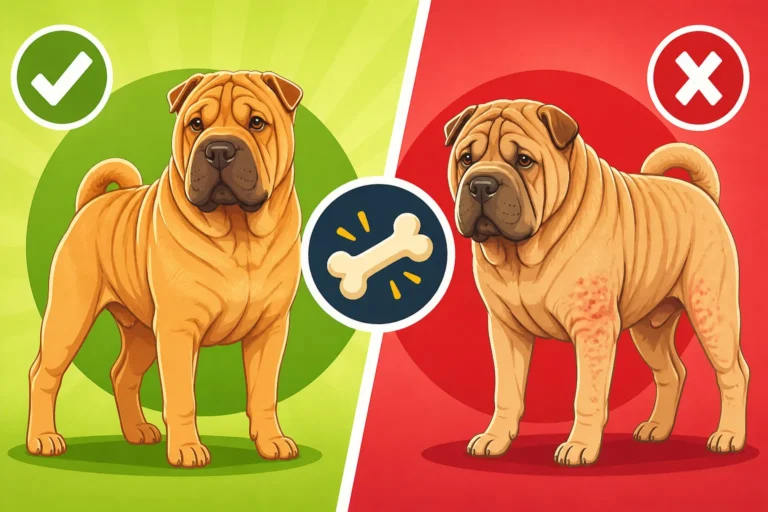
Where the Shar Pei Ranks in AKC Registrations
It's so easy to get caught up in the current trends of dog breeds, seeing certain pups everywhere on social media or in dog parks, and thinking that means they're the most popular. But for a breed as unique and storied as the Shar Pei, its popularity has been anything but a steady climb. Many new owners, and even those who've loved the breed for years, might be surprised by just how much the Shar Pei's standing has fluctuated on lists like the American Kennel Club (AKC) registration rankings, reflecting a fascinating, and at times tumultuous, journey. This guide is going to dive deep into where the Shar Pei has stood in the popularity contest, what those numbers truly signify, and the profound impact these shifts have had on the breed's health and future.
The Shar Pei's Rollercoaster Ride in Popularity
The Shar Pei's journey from near extinction to widespread recognition, and then a subsequent dip in the spotlight, is a compelling narrative that few breeds can rival. It’s a story marked by dramatic turns, passionate advocates, and the sometimes-unfortunate consequences of sudden fame. Understanding this history helps us contextualize its place in current registration rankings.
From Obscurity to Overnight Sensation: The 1970s Revival
Imagine a world where the dog you love, the wrinkled wonder, was on the very brink of vanishing forever. That was the grim reality for the Shar Pei in the 1970s. For centuries, they were a distinct presence in China, serving as farm dogs, guardians, and even hunters. However, political and economic changes in mainland China led to a devastating decline in their numbers. By the mid-20th century, the breed was considered extremely rare, clinging to existence primarily in Hong Kong and Macau. There's a widely cited, almost legendary, figure that suggests Sixty Shar Pei Were Left in 1978. This near-extinction truly highlights the precarious position the breed found itself in.
Then, a pivotal moment occurred. A passionate breeder in Hong Kong, Matgo Law, realizing the dire situation, made a desperate plea to the Western world. One Letter to a Dog Magazine Saved the Shar Pei, a bold move that ignited an unexpected international rescue effort. This letter, published in an American dog magazine, called for help to save the remaining Shar Pei. The response was overwhelming, capturing the imagination of dog enthusiasts who were fascinated by this unique-looking, ancient breed. Suddenly, the Shar Pei was no longer just rare; it was critically endangered and, therefore, incredibly desirable. This dramatic turnaround propelled the breed from being almost unknown outside of certain circles to becoming a sensation almost overnight. Guinness World Records even acknowledged its rarity, declaring The Year Guinness Named the Shar Pei the Rarest Breed, further cementing its mystique and accelerating its surge in popularity.
The Boom and Bust Cycle: Peaking and Declining Registrations
The initial influx of Shar Pei into the United States was small, but the interest generated was immense. As more dogs were imported and breeding programs began, the breed’s popularity exploded through the 1980s and into the early 90s. Everyone seemed to want a Shar Pei. Their distinctive wrinkles, calm demeanor, and devoted nature made them a coveted pet. During this period, their AKC registration numbers soared, pushing them into the top ranks of popular breeds. It was a dizzying ascent, fueled by novelty and a passionate fan base.
However, as is often the case with such rapid surges in popularity, the breed faced significant challenges. The demand for Shar Pei far outstripped the supply of responsibly bred dogs. This led to what many consider Whether the Shar Pei Boom Damaged the Breed. Unscrupulous breeders, often referred to as puppy mills, saw an opportunity to profit from the craze. They bred dogs indiscriminately, often without proper health testing, temperament screening, or regard for the breed standard. This period introduced significant genetic health issues into the wider Shar Pei population, impacting what was already a breed with some predispositions. After this peak, the inevitable "bust" followed. As the novelty wore off and the reality of the breed's health challenges and strong-willed temperament became more widely known, registration numbers began to decline, sometimes sharply. This was a necessary correction, allowing dedicated breeders to focus on health and temperament rather than merely meeting market demand.
Where the Breed Stands Today: Current AKC Ranking Realities
In recent years, the Shar Pei has settled into a more moderate position on the AKC's list of registered breeds. They are no longer among the top ten or twenty, but they are far from the obscurity of the 1970s. This current standing reflects a more stable and, arguably, healthier place for the breed. The frantic pace of demand has eased, allowing for more thoughtful and ethical breeding practices among reputable enthusiasts. If you're wondering How Many Shar Pei Are Registered a Year in America, the numbers are considerably lower than their peak, but still respectable, demonstrating a consistent, albeit smaller, dedicated following.
This doesn't mean the breed is entirely out of the woods, but it does mean that prospective owners are more likely to find a well-bred puppy from a reputable source, provided they do their research. The current ranking suggests that the breed appeals to a specific type of owner who understands and appreciates their unique traits and is prepared for their specific needs. It's less about fleeting trends and more about true appreciation. While Whether Shar Pei Numbers Are Falling Again might be a concern for some, a steady, lower ranking can actually be a sign of a healthier breed population, as it discourages the kind of overbreeding that plagued it during its peak popularity.
Behind the Numbers: What AKC Registrations Really Mean
AKC registration numbers offer a snapshot of a breed's popularity, but they don't tell the whole story. Understanding what these numbers represent, and their inherent limitations, is crucial for anyone looking to truly gauge the health and presence of the Shar Pei breed.
The Limitations of Registration Data: Not the Whole Picture
While AKC registration figures are the most widely cited metric for breed popularity in the United States, it's vital to remember what they actually track: newly registered purebred dogs and litters. They don't account for every Shar Pei in existence. For instance, dogs acquired from rescues or shelters, even if purebred, often aren't individually registered with the AKC by their new owners. Moreover, not all purebred Shar Pei are registered, especially if their owners have no intention of showing them or breeding them. A casual pet owner might skip the registration process altogether, simply enjoying their companion without the official paperwork.
Furthermore, registration numbers can be influenced by internal AKC policies or changes in how breeders report information. They also don't capture the subtle shifts in why people choose certain breeds. A breed might be lower on the list, but those who own them might be incredibly dedicated and involved, suggesting a strong community even if the sheer volume isn't there. Therefore, while useful for showing broad trends, these numbers should be viewed as one piece of a much larger, more complex puzzle.
The Role of Breed Standards and Popularity in AKC Recognition
The AKC plays a significant role in defining and preserving breed standards. When a breed becomes incredibly popular, there's often increased scrutiny on its standard and how it's being interpreted by breeders. For the Shar Pei, the defining characteristic, of course, is its wrinkles. During the boom years, there was an undeniable push towards breeding for more and more wrinkles, sometimes to an extreme that negatively impacted the dogs' health. Whether the Shar Pei Was Bred for Wrinkles After 1980 is a question that points directly to this phenomenon. While the AKC standard describes a certain degree of wrinkling, excessive breeding for this trait can lead to issues like entropion (eyelids rolling inward) or skin fold dermatitis.
The AKC's role in recognizing and setting standards can influence what breeders prioritize. While the standard aims to preserve the breed's historical look and function, market demand can sometimes overshadow these intentions, particularly if certain physical traits become highly fashionable. A breed's position in the popularity ranks can therefore indirectly reflect how closely breeders are adhering to, or even pushing the boundaries of, the written standard.
How Registry Numbers Reflect Breeder Practices
The ebb and flow of AKC registration numbers often serve as an indicator of prevailing breeder practices within a breed. When a breed's popularity skyrockets, as the Shar Pei's did, it inevitably attracts individuals less concerned with the breed's long-term health and more focused on quick profits. These often include volume breeders or "backyard breeders" who may not perform necessary health screenings, leading to the proliferation of genetic issues. This is precisely why Whether Puppy Mills Followed the Shar Pei Boom is a valid and concerning question. These operations often neglect proper socialization, nutrition, and veterinary care, impacting the well-being of the puppies.
Conversely, when a breed's popularity stabilizes or declines to a more moderate level, the breeding pool tends to be dominated by more responsible and ethical breeders. These individuals are typically members of breed clubs, adhere to ethical codes, and prioritize health testing, temperament, and genetic diversity. They are the ones diligently working to improve the breed, even if their efforts don't translate into massive increases in registration numbers. They understand that quality, not quantity, is key. Their careful practices are often reflected in resources like Chewy's informational guides on responsible pet ownership, which emphasize finding breeders who prioritize health and well-being.
The Impact of Popularity Swings on Shar Pei Health and Breeding
The dramatic fluctuations in the Shar Pei's popularity have left an undeniable mark on the breed, particularly concerning its health and the practices of those who breed them. It's a cautionary tale about the perils of rapid fame in the dog world.
The Rise of the Puppy Mill: Unintended Consequences of Popularity
During the peak of the Shar Pei's popularity, the demand for these unique dogs became so intense that it created a perfect storm for irresponsible breeding. The allure of quick money led to a surge in puppy mills and backyard breeders who capitalized on the public's fascination. These operations often housed dogs in deplorable conditions, with minimal veterinary care, poor nutrition, and no attention paid to genetic health or temperament. The consequence was a significant increase in dogs with hereditary health problems.
For Shar Pei, this often meant an exacerbation of conditions already present or a higher incidence of new ones. Issues like Familial Shar Pei Fever, skin fold dermatitis, and entropion became more prevalent as breeding stock was chosen for quantity rather than quality. What Being Saved Did to the Shar Pei's Health is a sobering question, as the very act of saving the breed from extinction inadvertently opened the door to widespread health challenges due to uncontrolled breeding during the boom. Many dogs ended up in shelters or rescue organizations because their owners were unprepared for the medical expenses and behavioral challenges that came with poorly bred animals.
The Challenge for Responsible Breeders: Maintaining Breed Integrity
Amidst the chaos of the Shar Pei boom, dedicated and responsible breeders faced an uphill battle. Their mission was to maintain the integrity of the breed, focusing on health, temperament, and adherence to the breed standard, even as the market clamored for anything with wrinkles. These breeders were often outnumbered and outcompeted by those mass-producing puppies, making it difficult to educate the public on what constitutes a truly well-bred Shar Pei.
They invested heavily in health testing, something that adds to What a Shar Pei Puppy Costs From a Health Testing Breeder. This included screening for conditions like hip and elbow dysplasia, thyroid issues, and eye problems. They carefully selected breeding pairs to minimize the risk of passing on genetic diseases and worked to improve the breed's overall health while preserving its distinctive traits. This painstaking work often meant smaller litters, longer waiting lists, and a higher price tag for puppies, which sometimes put them at a disadvantage in a market driven by quick gratification. Their efforts, however, were crucial in preventing the breed from collapsing under the weight of its own popularity.
Specific Health Concerns Tied to Uncontrolled Breeding
The period of uncontrolled breeding significantly amplified the prevalence of certain health issues in the Shar Pei. Beyond the well-known Familial Shar Pei Fever (FSF) and its associated amyloidosis, many other conditions became more widespread. Skin problems, such as skin fold dermatitis in deep wrinkles, increased due to breeders prioritizing extreme wrinkling without regard for the practical implications for the dog's skin hygiene. Ear infections also became more common, exasperated by the breed's already narrow ear canals, which were often neglected in high-volume breeding operations.
Ophthalmic issues, particularly entropion, became a significant concern. While entropion can occur in any Shar Pei, the push for exaggerated head wrinkles meant more puppies were born with severe cases, requiring surgical correction, often multiple times. Temperament issues, too, could arise from poor breeding practices and lack of early socialization. When dogs are bred purely for appearance without considering temperament, and puppies are raised in inadequate environments, shy, fearful, or even aggressive tendencies can emerge, proving that the costs of irresponsibility extend far beyond physical health.
Beyond the AKC: Other Ways to Understand Shar Pei Presence
While AKC registration numbers are a useful benchmark, they don't provide a complete picture of the Shar Pei's presence in the canine world. To truly understand their place, we need to look at other indicators, from rescue statistics to their digital footprint.
Shar Pei in Rescue Organizations: A Different Kind of Ranking
The unfortunate reality of breed popularity surges is that many dogs end up in shelters and rescue organizations. The Shar Pei is no exception. While their AKC registration numbers have stabilized, many Shar Pei still find their way into rescue. These are often dogs whose owners underestimated the commitment involved, or who couldn't cope with the breed's specific health needs or temperament. Why Shar Pei Fill Rescues and What Adopting One Involves touches upon the heart of this issue. Many surrendered Shar Pei come with pre-existing conditions that require significant veterinary care, or they may have behavioral challenges stemming from a lack of proper socialization or training.
Rescue organizations, both breed-specific and general, often provide a safe haven for these dogs, rehabilitating them and finding them loving, knowledgeable homes. While these dogs aren't reflected in AKC registration numbers, their presence in rescue speaks volumes about the breed's enduring appeal, as well as the ongoing need for owner education and responsible breeding. The efforts of these rescue groups are invaluable, often working tirelessly to give these magnificent dogs a second chance at a happy life.
Social Media and Internet Presence: Modern Measures of Visibility
In our increasingly digital world, a breed's presence on social media and the internet offers a contemporary measure of its visibility and public interest, even if it's not a formal "ranking." Photos and videos of adorable, wrinkled Shar Pei puppies and stately adults regularly go viral, captivating audiences worldwide. Hashtags dedicated to the breed are brimming with content, and dedicated online communities and forums thrive, where owners share stories, advice, and support.
This digital footprint indicates a consistent fascination with the Shar Pei's unique appearance and character. It allows prospective owners to see the breed in various real-life scenarios, from playful puppies to serene seniors, and to connect with experienced owners. While internet fame doesn't equate to AKC registration, it certainly contributes to public awareness and keeps the breed in the minds of many. It’s a powerful, informal metric that shows the Shar Pei continues to hold a special place in the hearts of many dog lovers.
Global Presence: The Shar Pei Outside of American Registries
It's also important to remember that the AKC's rankings only reflect a slice of the global Shar Pei population. The breed has a strong presence in many other countries, each with their own kennel clubs and registration figures. For instance, in Canada, the United Kingdom, Europe, and of course, its native China, the Shar Pei maintains a following. The breed's popularity might fluctuate differently in these regions, influenced by local breeding trends, cultural preferences, and differing approaches to breed standards.
For example, while the "Meat Mouth" Shar Pei (the heavily wrinkled type prevalent in the US) is common, the "Bone Mouth" Shar Pei, which has fewer wrinkles and a more athletic build, holds a different significance in other parts of the world, particularly in its homeland. The Shar Pei Against the Other Wrinkled Breeds also reveals how the breed's popularity can be compared to similar breeds internationally. Understanding this global context provides a much richer and more accurate understanding of the Shar Pei's true prevalence and enduring appeal worldwide, beyond just one country's registration data.
Looking Forward: The Future of the Shar Pei in the Public Eye
The Shar Pei's history is a testament to resilience, passion, and the complex relationship between humans and their canine companions. As we move forward, the breed's future in the public eye hinges on continued dedication from enthusiasts and education for prospective owners.
The Ongoing Efforts of Dedicated Breed Clubs
The sustained presence and health of the Shar Pei breed owe an immense debt to the tireless efforts of dedicated breed clubs and individual enthusiasts. Organizations like the Chinese Shar-Pei Club of America (CSPCA) work diligently to protect and promote the breed. Their activities go far beyond simply tracking registrations; they organize conformation shows to evaluate breeding stock against the standard, facilitate health clinics to screen for common ailments, and fund research into Shar Pei-specific diseases like FSF and amyloidosis. They also provide invaluable educational resources for current and prospective owners, emphasizing responsible ownership and ethical breeding practices.
These clubs are the custodians of the breed, ensuring that its unique heritage is preserved while striving to improve its health and longevity. They advocate for health testing, temperamental soundness, and proper socialization, countering the negative impacts of past popularity surges. Through their continued advocacy and support, they aim to ensure that the Shar Pei thrives for generations to come, fostering a community of informed and responsible owners.
Educating Prospective Owners: The Path to Responsible Ownership
One of the most critical aspects of securing a healthy future for the Shar Pei is comprehensive education for anyone considering bringing one into their home. Because of their distinctive appearance and often misunderstood temperament and health needs, Shar Pei are not a "starter dog" for everyone. Prospective owners need to be fully aware of the commitment involved, from managing potential health issues to understanding their unique personality. Resources, often found on reputable breeder websites or even general pet supply sites like Chewy, can provide a wealth of information about breed-specific care.
Education should cover topics like Familial Shar Pei Fever Is Not an Infection and the preventative care needed, the importance of early socialization, the potential for skin and eye problems, and the need for consistent, positive-reinforcement training. It's about setting realistic expectations and equipping owners with the knowledge and tools to provide a fulfilling life for their Shar Pei. An informed owner is a responsible owner, and responsible ownership is the bedrock of a healthy breed population.
The Hope for a Healthier, More Stable Future
Despite the historical challenges, there is genuine hope for a healthier and more stable future for the Shar Pei. The lessons learned from the boom-and-bust cycle have spurred many dedicated individuals and organizations to double down on efforts to improve the breed's health. Advances in genetic testing are helping breeders make more informed decisions, reducing the incidence of hereditary diseases. Increased awareness of conditions like Amyloidosis Is What Actually Kills a Shar Pei means more proactive screening and management strategies are being developed.
The breed's current, more moderate level of popularity, as reflected in AKC registrations, also offers a unique opportunity. It allows the focus to shift away from mass production and back towards quality. It means breeders can prioritize careful selection, comprehensive health testing, and robust genetic diversity. For those who choose to bring a Shar Pei into their lives, this commitment to health and responsible breeding translates into a better chance of welcoming a healthy, happy companion, ensuring the longevity and well-being of this truly extraordinary breed.
| Era | Shar Pei Popularity (AKC Ranking Context) | Primary Factors | Impact on Breed |
|---|---|---|---|
| Pre-1970s | Near Extinction (Not Ranked) | Political/Economic Changes in China, Low Numbers | Critical danger of disappearance, extreme rarity |
| 1970s – Early 1980s | Rapid Ascent (From Unknown to Rising) | Rescue efforts, "rarest dog" mystique, unique look | Surge in interest, initial imports to the US |
| Mid-1980s – Early 1990s | Peak Popularity (Top 20-30) | Media attention, "designer dog" status, demand | Overbreeding, puppy mills, increased health issues |
| Mid-1990s – 2000s | Gradual Decline (Settling Down) | Awareness of health issues, temperament challenges | Shift away from fad, more informed ownership |
| 2010s – Present | Stable/Moderate (Outside Top 50-70) | Dedicated enthusiasts, focus on health, education | More responsible breeding, smaller but committed following |
Disclaimer
This article is for general informational purposes only and does not constitute professional advice. Laws, prices and regulations vary by location and change over time. Consult a qualified professional for guidance on your specific situation.