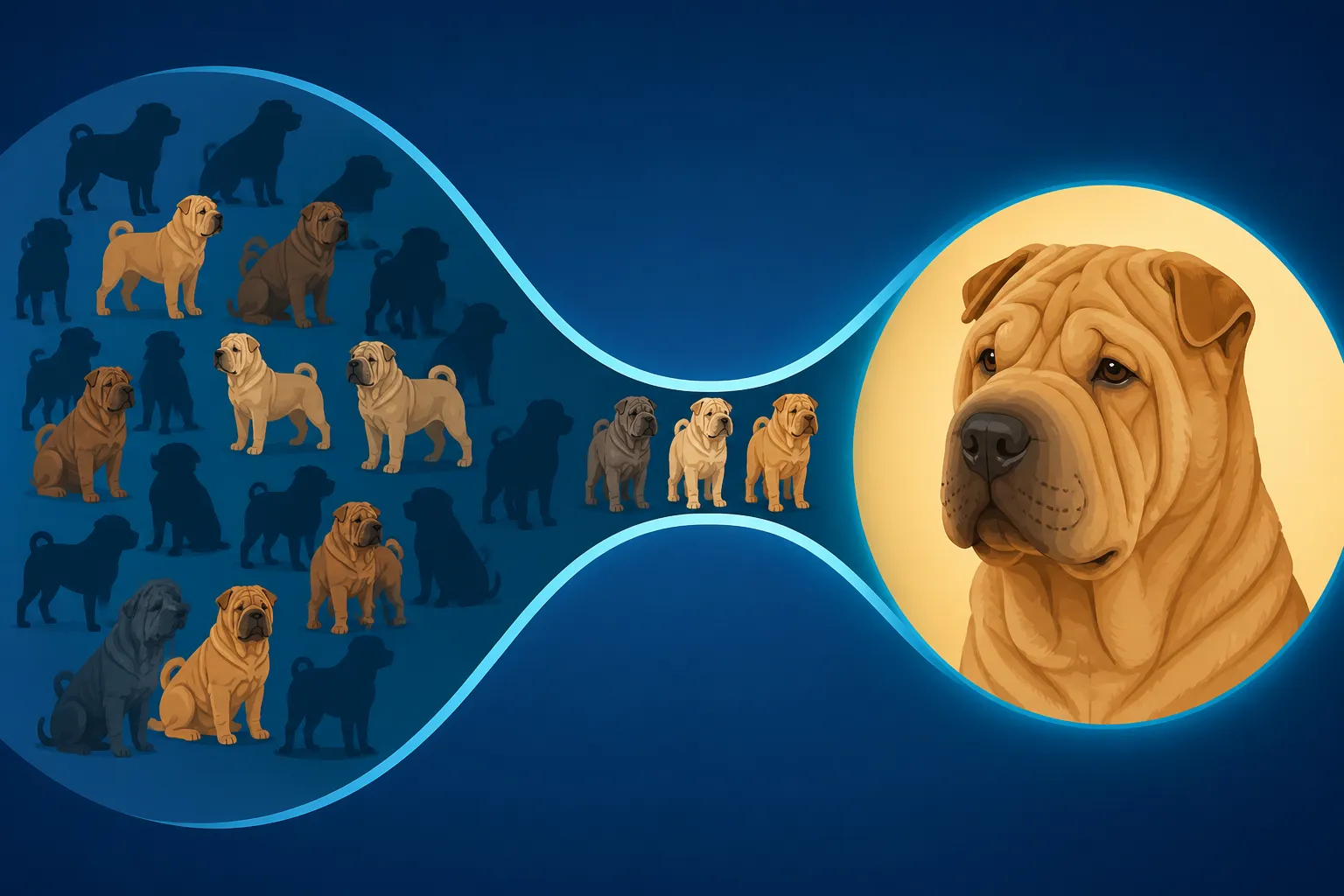
How Narrow the Shar Pei’s Founding Gene Pool Was
It's a tough truth that many of our beloved purebred dogs face unique health challenges, and often, these issues can be traced back to the very origins of their breed. For Shar Pei enthusiasts, this reality hits home deeply. The story of the Shar Pei is one of incredible resilience and an almost miraculous comeback from the brink of extinction, but this survival came at a genetic cost. Understanding just how incredibly narrow the Shar Pei's founding gene pool was is crucial for any owner or prospective owner, as it directly impacts the health and care needs of these wonderfully unique dogs. This guide will delve into that challenging history, explaining why it matters and what it means for your Shar Pei today.
The Brink of Extinction and the Rescue Effort
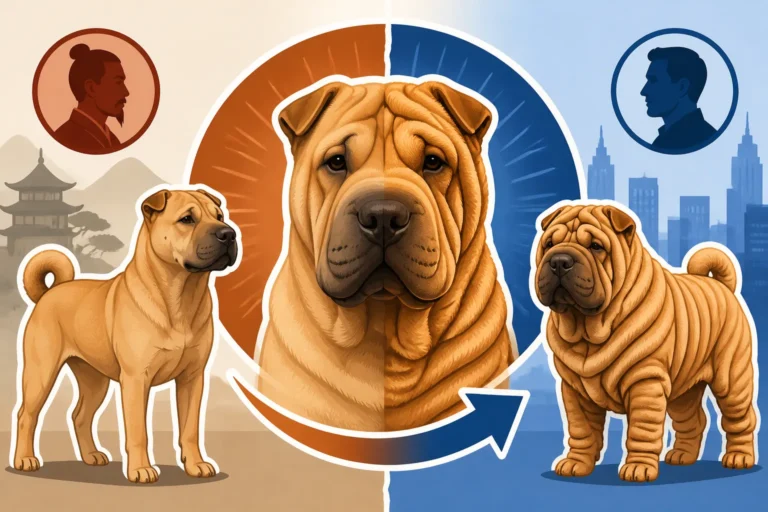
Imagine a time when the very existence of an entire dog breed hung by a thread, with only a handful of individuals left in the world. This wasn't some ancient, forgotten breed; it was our Shar Pei, and it happened relatively recently. The tumultuous political and social climate in 20th-century China, coupled with punitive taxes on dog ownership and widespread culling campaigns, decimated the native dog population. The Shar Pei, once a common farm dog across the southern provinces, found itself on the precipice.
This period was incredibly challenging for many Chinese breeds. Dogs were often seen as a luxury or a nuisance, and their numbers plummeted dramatically. It's heartbreaking to think of these loyal companions being caught in such a difficult situation, and the fact that the Shar Pei survived at all is a testament to the dedication of a few individuals. The few remaining dogs were scattered, making any cohesive breeding effort nearly impossible within their native land.
How Few Shar Pei Were Left in the World
The situation reached its nadir in the 1970s. By some accounts, fewer than 60 true Shar Pei remained globally. Can you even fathom that? Sixty dogs to carry the torch for an entire breed. This wasn't just a small population; it was an incredibly precarious one. Think about it: a population size that small means that every single remaining dog carried immense genetic weight. There was virtually no room for error, and the genetic diversity that once existed within the breed had been all but wiped out.
These few individuals became the absolute cornerstone, the entire foundation, for every single Shar Pei that exists today outside of mainland China. Every wrinkle, every blue-black tongue, every independent streak can be traced back to this handful of survivors. This drastic reduction in numbers is what geneticists refer to as a "bottleneck event," and its effects ripple through generations. It's a stark reminder of how fragile a breed's existence can be. You can learn more about this critical period in Sixty Shar Pei Were Left in 1978.
Matgo Law's Plea and Its Impact
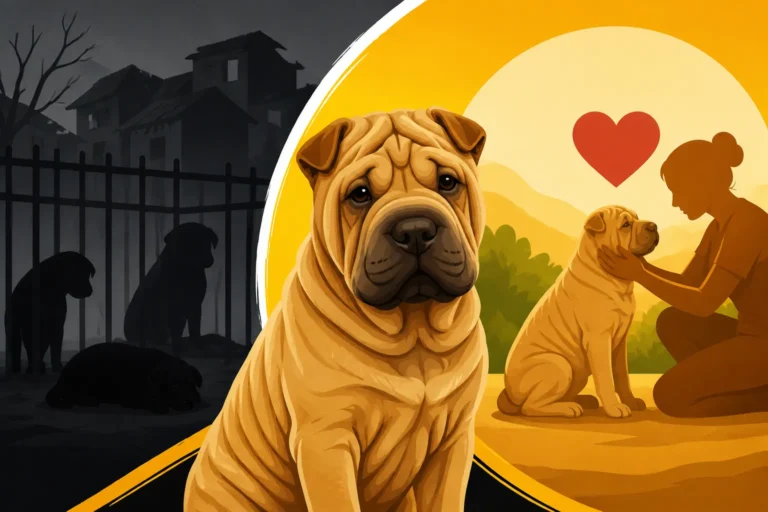
In a desperate attempt to save the breed, a Hong Kong businessman named Matgo Law made a heartfelt appeal to the international community. In 1978, he penned an article for a prominent American dog magazine, pleading for help. He vividly described the plight of these unique dogs, highlighting their intelligence, loyalty, and distinctive appearance. It was a cry for help that resonated deeply with dog lovers around the world.
This single act was a game-changer. The article, which you can read about in One Letter to a Dog Magazine Saved the Shar Pei, sparked an outpouring of interest and a massive effort to import the remaining Shar Pei into the United States. Without Matgo Law's passionate advocacy, it's highly probable that the Shar Pei breed, as we know it, would have vanished completely. This international rescue, while successful in saving the breed from extinction, also set the stage for its modern genetic challenges. The focus was on saving the breed, often with less immediate concern for the long-term genetic health implications, which is completely understandable given the circumstances.
The Bottleneck Effect on Shar Pei Genetics
A "genetic bottleneck" sounds complex, but it's really quite simple to grasp: imagine pouring a large amount of water through a very narrow funnel. Only a fraction of the original water gets through, and that's what happened to the Shar Pei's genetic makeup. When a population shrinks dramatically to a very small size, and then expands again, it carries forward only the genetic diversity (or lack thereof) of those few surviving individuals.
For the Shar Pei, this means that the genetic blueprint of the entire global population (outside of a few isolated pockets) is essentially derived from those few dozen dogs from the 1970s. Any genetic quirks, predispositions, or specific traits present in that tiny founding group were amplified and became prevalent throughout the expanding population. This is a common phenomenon in breeds that have faced near extinction, and it always has consequences for health.
Genetic Homogeneity and Its Consequences
Genetic homogeneity means a lack of diversity. Think of it like a family tree where all the branches are essentially variations of the same few original stems. When there isn't much variation in the genes within a population, every individual is, genetically speaking, quite similar to every other individual. This might sound good on the surface – perhaps implying a consistent look or temperament – but it's actually quite dangerous from a health perspective.
A diverse gene pool acts like a natural safeguard. If one dog carries a gene for a specific illness, there's a good chance that its mate might not, or that other dogs in the population carry different versions of genes that could offset or protect against that illness. With a highly homogeneous gene pool, if a problematic gene is present in the founding members, it can quickly spread throughout the entire population, as there are fewer "healthy" alternative genes to dilute its impact. This means that breed-specific health problems are not only more common but also more difficult to breed out.
The Amplification of Predispositions
The narrow gene pool didn't create new diseases, but it certainly amplified any existing predispositions that were present in those few founding Shar Pei. Think of it like this: if one of the original 60 dogs carried a gene that made it slightly more prone to a certain type of skin issue, and that gene was also present in a few other founders, then as the population rebounded, that gene became incredibly common. There wasn't enough "other" genetic material to balance it out.
This is precisely what happened with many of the health conditions that Shar Pei are known for today. Genes that might have been rare or less impactful in a larger, more diverse population became widespread. Breeders trying to rebuild the population after the bottleneck were working with a very limited genetic deck, often unaware of the specific predispositions lurking within the few available animals. This unintentional amplification of certain traits, both desirable and undesirable, is a direct and unavoidable consequence of such a severe genetic bottleneck. This is part of What Being Saved Did to the Shar Pei's Health.
Health Implications of a Limited Gene Pool
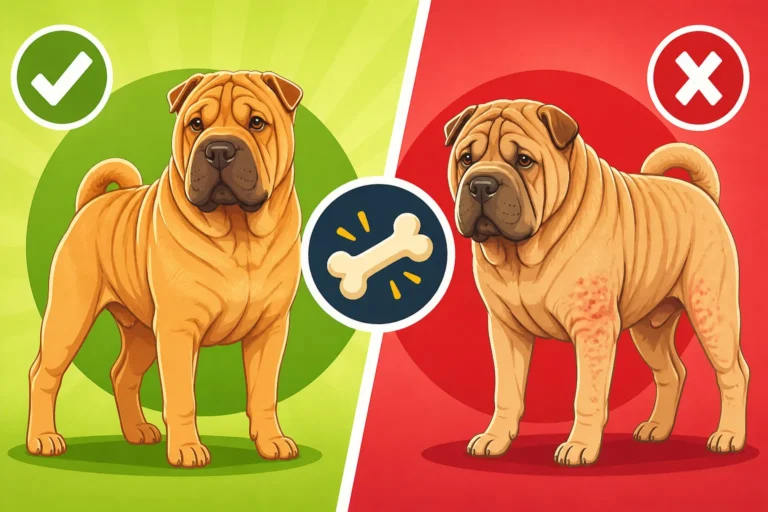
The direct link between the Shar Pei's narrow genetic foundation and its breed-specific health issues is undeniable. This isn't about blaming the breed or its history; it's about understanding the biological reality. When you have such a limited gene pool, certain health problems become almost characteristic of the breed, rather than rare occurrences. It’s not a question of if a Shar Pei will face health challenges, but often which ones and when.
This is why researching the breed thoroughly before bringing one home is so vital. Owners need to be prepared for the potential health costs and the dedicated care these dogs often require. For instance, finding the right type of food, perhaps a limited ingredient diet from a reputable brand like Chewy, can sometimes help manage sensitivities, but it won't prevent genetically predisposed conditions.
Familial Shar Pei Fever and Amyloidosis
Perhaps the most well-known and dreaded condition associated with the Shar Pei is Familial Shar Pei Fever (FSF). This isn't just a random fever; it's a genetically inherited inflammatory disorder, thought to be linked to the same gene mutation that gives them their distinctive wrinkles. Dogs with FSF experience recurrent, sudden fevers, often accompanied by swelling of the hocks (ankles), pain, and lethargy.
The real danger, however, isn't the fever itself, but a devastating secondary condition called amyloidosis. Amyloidosis occurs when an abnormal protein (amyloid) builds up in the organs, most commonly the kidneys, but sometimes also the liver, spleen, or gastrointestinal tract. This amyloid deposition gradually impairs organ function, leading to chronic kidney failure, which is often what ultimately claims the life of a Shar Pei with FSF. Familial Shar Pei Fever Is Not an Infection explains more about the nature of this disease, and Amyloidosis Is What Actually Kills a Shar Pei details its fatal progression. The narrow gene pool ensured that the genetic predisposition for FSF and subsequent amyloidosis became widespread throughout the breed.
Other Common Inherited Conditions
Beyond FSF, the Shar Pei's limited gene pool has made them prone to a host of other health issues, many of which stem from their unique physical characteristics. Their excessive wrinkles, for example, are adorable but can lead to chronic skin problems. Skin folds trap moisture, dirt, and bacteria, creating a perfect breeding ground for infections. This is known as skin fold dermatitis, and it's a significant concern because Skin Is the Shar Pei's Largest Problem by Surface Area. Regular cleaning and sometimes medicated wipes (you can often find a good selection on Chewy) are a constant part of managing this.
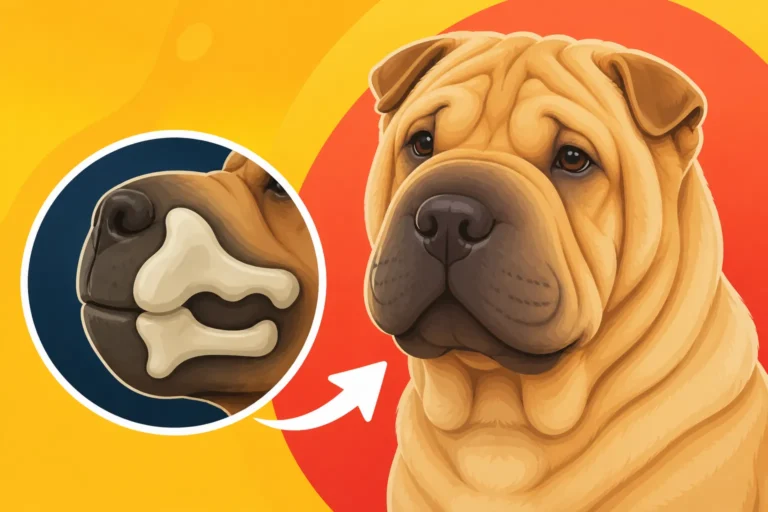
Their eyes are another area of concern. The deep-set eyes and loose skin around them often lead to entropion, a condition where the eyelid rolls inward, causing eyelashes to rub against the cornea. This is not just irritating; it can cause ulcers, pain, and eventually blindness if left untreated. For a puppy, Entropion in a Shar Pei Puppy Is an Emergency, Not a Cosmetic Issue. Their ears also present challenges. Shar Pei have incredibly narrow ear canals, making them highly susceptible to chronic ear infections. A Shar Pei Has the Narrowest Ear Canals of Any Breed illustrates just how difficult it can be to keep their ears healthy. These are just a few examples of how a limited gene pool affects various aspects of their health.
The Role of Responsible Breeding
Given this genetic history, responsible breeding practices are absolutely paramount for the Shar Pei. Ethical breeders are acutely aware of the breed's predispositions and strive to minimize the impact of the narrow gene pool by carefully selecting breeding pairs. This means conducting extensive health testing on parent dogs, including screening for FSF markers (though not all markers are fully understood), thyroid function, hip and elbow dysplasia, and eye conditions.
A responsible breeder won't just tell you about the good things; they'll be transparent about the health challenges the breed faces and the specific health history of their lines. They should be able to discuss whether their dogs have a history of fever or other breed-specific ailments, and they should be actively working to improve the health of the breed, not just perpetuate existing problems. Asking questions like Whether a Shar Pei's Copy Number Can Be Tested shows you're engaged in understanding the genetic factors. This dedication is vital to slowly, painstakingly, try to improve genetic diversity where possible and reduce the prevalence of inherited diseases.
What a Narrow Gene Pool Means for Owners
For you, as a current or prospective Shar Pei owner, understanding the breed's genetic history isn't just an interesting fact; it's a foundational piece of knowledge that will shape your entire ownership experience. It means approaching Shar Pei ownership with realistic expectations, a proactive mindset, and a commitment to their specific health needs. These aren't "easy" dogs in terms of health, but they are incredibly rewarding companions for those prepared to meet their needs.
It also highlights the importance of making informed choices, from where you acquire your puppy to how you approach their daily care and long-term veterinary management. Being prepared for potential challenges means you can address them promptly, potentially preventing more serious complications and ensuring your Shar Pei lives the happiest, most comfortable life possible.
| Feature | Narrow Gene Pool | Diverse Gene Pool |
|---|---|---|
| Genetic Variation | Low | High |
| Disease Risk | Higher for specific inherited conditions | Lower overall due to genetic resilience |
| Breeding Options | Limited | Wide |
| Adaptability | Lower | Higher |
| Impact on Breed | Predisposition to widespread genetic disorders | Greater resistance to inherited diseases |
Choosing a Breeder Wisely
This knowledge should heavily influence your choice of breeder. A reputable, health-focused breeder will be your best ally in navigating the Shar Pei's genetic landscape. They should be open about their breeding philosophy, the health testing they conduct, and even the health history of their puppies' ancestors. Don't be shy about asking for proof of health clearances, such as OFA certifications for hips/elbows, thyroid panels, and ophthalmologist reports.
They should also be deeply familiar with What a Shar Pei Puppy Costs From a Health Testing Breeder and openly discuss what that investment covers, including any health guarantees. Beware of breeders who seem more interested in quick sales, offer multiple breeds, or can't provide detailed health information on their breeding stock. A good breeder cares deeply about the health and future of the breed and will take the time to educate you thoroughly about what to expect. They understand the gravity of the breed's genetic past and are actively working to mitigate its impact.
Long-Term Health Management
Owning a Shar Pei means committing to proactive, long-term health management. This involves regular veterinary check-ups, often more frequent than for some other breeds, especially as they get older. Discussion about conditions like FSF and amyloidosis should begin early with your vet, exploring options for monitoring and potential preventative care, such as diet changes or medications like colchicine, if appropriate. Caring for a Shar Pei Past Seven delves into the specific needs of older Shar Pei, when kidney issues might become more pronounced.
You'll also need to be vigilant about their skin and ears, establishing a consistent cleaning routine. Having appropriate supplies on hand, from gentle cleansers for their folds to ear cleaning solutions, is essential. Reputable pet supply stores, like Chewy, can be a great resource for these specialized products, often offering subscription services to ensure you never run out. Being prepared for potential eye issues, skin infections, or fever episodes means you can act quickly, potentially saving your dog discomfort and reducing veterinary costs in the long run. It's an ongoing commitment, but one that is deeply rewarding when you see your unique companion thriving.
Disclaimer
This article is for general informational purposes only and does not constitute professional advice. Laws, prices and regulations vary by location and change over time. Consult a qualified professional for guidance on your specific situation.